You scroll through Instagram or YouTube and suddenly every other post screams about protein — protein shakes, protein bread, even protein ice cream. Gym-goers, busy moms in Lucknow or Delhi, and office workers chasing fat loss are all jumping on the bandwagon. High-protein diets are everywhere in 2026. But here’s the thing that keeps me up at night: most people aren’t doing it right.
They overload on chicken and whey, skip fiber, and wonder why they feel bloated, tired, or stuck on the scale. Or worse, they fear kidney damage from all those extra grams. Sound familiar?
I’ve seen friends and readers chase the hype only to hit a wall. The good news? When done thoughtfully, higher protein intake can truly transform how you feel — more energy, better satiety, preserved muscle, and easier weight management. Let’s cut through the noise and figure this out together.
What’s Fueling the High-Protein Craze Right Now?
Walk into any supermarket in India or abroad, and you’ll spot protein-packed everything. From 2025 into 2026, updated dietary guidelines in several countries pushed for more protein — sometimes up to 1.2–1.6 grams per kilogram of body weight. Influencers, fitness apps, and even GLP-1 weight-loss medication users amplified the message: protein helps preserve muscle when appetite drops.
Did you know? Many people already consume around 1 gram per kg on average, but the conversation shifted because of muscle health, healthy aging, and satiety. With busy lifestyles and rising interest in strength training, “more protein” became the simple fix.
Yet the real shift isn’t just quantity. It’s quality and balance. The hype often ignores that most of us need smart sources, not just more scoops of powder.
Here’s the surprising part: overloading without variety can crowd out fiber-rich foods that keep your gut happy and energy steady. That’s where things start going sideways for many.
Why High-Protein Diets Matter More Than Ever in 2026
Life feels faster than ever. Work from home or hybrid setups mean less movement for some, more desk time for others. At the same time, we’re waking up to muscle loss as we age — sarcopenia hits harder after 40.
Higher protein helps fight that. It supports muscle repair, keeps you full longer (reducing mindless snacking), and can slightly boost metabolism because your body works harder to digest it.

For weight loss, the edge is real. Studies show higher protein (around 25-30% of calories) helps preserve lean mass while shedding fat. That’s crucial when you’re cutting calories — you don’t want to lose the muscle that keeps your metabolism humming.
But it matters now especially because of trending medications and fitness goals. People using certain weight-loss drugs often need extra protein to avoid muscle wasting. In India, with rising diabetes and obesity awareness, balanced High-Protein Diets fits family meals too — think dal, paneer, eggs, and nuts instead of only maida-heavy snacks.
Have you ever finished a high-protein meal and felt satisfied for hours? That’s the magic. But only if you pair it right.
The Real Benefits: What Science and Real Life Show
Let’s get honest about the wins.
First, appetite control. Protein triggers hormones that signal fullness. Many report fewer cravings compared to carb-heavy meals.
Second, muscle and strength. Whether you lift weights or just want to stay strong for daily chores, adequate protein rebuilds tissue. Active people or those over 50 often thrive at 1.2–1.6 g/kg.
Third, better body composition. During weight loss, higher protein helps you lose more fat, less muscle. That means tighter clothes and sustained energy.
Fourth, blood sugar stability. Pairing protein with carbs slows digestion, preventing spikes — helpful for many in India managing prediabetes.
Real-world example: A working professional in Mumbai switched from heavy rice lunches to adding more paneer, chickpeas, and Greek yogurt. She lost stubborn belly fat without feeling starved and noticed sharper focus in meetings.
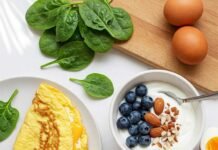
Another friend, a gym enthusiast, added 30g protein to breakfast (eggs + sprouts) and stopped afternoon slumps. Small shifts, big feelings.
Common Mistakes: How People Are Getting High-Protein Diets Wrong
This is where most stumble — and why the title question hits home.
Mistake 1: Treating all protein the same. Downing only red meat or processed shakes ignores variety. Too much animal protein without plants can mean low fiber, leading to constipation or gut issues.
Mistake 2: Ignoring total calories. Protein has calories too (4 per gram). Overeating it while ignoring portions turns “healthy” into weight gain.
Mistake 3: Skipping balance. Some go ultra-low carb, missing nutrients from whole grains, fruits, and veggies. Long-term, that can affect energy and mood.
Mistake 4: Not spreading intake. Dumping 80g at dinner does less for muscle than 25-30g across meals.
Mistake 5: Relying only on supplements. Whole foods bring vitamins, minerals, and fiber that powders miss.
I’ve heard stories of people feeling foggy or bloated after months on unbalanced high-protein plans. The fix? Listen to your body and diversify.
Pros and Cons: A Balanced Look
Pros:
- Enhanced satiety and easier calorie control
- Muscle preservation and growth, especially with training
- Potential metabolic boost
- Support for healthy aging and bone health when combined with activity
- Flexibility — works with vegetarian Indian diets (dal, soy, dairy)
Cons and Risks: For healthy people, moderate higher protein (up to 1.6-2.2 g/kg for athletes) appears safe. Kidneys handle it well without pre-existing issues.
However, very high long-term intake might strain kidneys in those with existing problems — always check with a doctor.
Some studies link very high animal protein to slight cardiovascular risks in older adults, especially if processed meats dominate. Plant proteins often show better heart profiles.
Excess without fiber can cause digestive discomfort. And if it replaces veggies and whole grains, you miss micronutrients.
Bottom line: It’s not “protein bad” or “protein miracle.” Context matters — your age, activity, health status, and overall diet.
How Much Protein Do You Actually Need?
Guidelines vary slightly, but here’s practical advice:
- Sedentary adults: ~0.8–0.83 g per kg body weight (Indian recommendations align here).
- Moderately active or aiming for fat loss: 1.0–1.2 g/kg.
- Strength training or athletes: 1.6–2.2 g/kg.
- Older adults: Often benefit from 1.0–1.2 g/kg to fight muscle loss.
Example: A 70 kg person might aim for 56–84g daily at baseline, or 84–140g+ if active and building muscle.
Spread it: 20-40g per meal works well for most.
In Indian terms — a plate with 2 eggs, a bowl of dal, some curd, and sprouts easily hits solid amounts without supplements.
Track for a week using a simple app. Most discover they’re closer than they think — or missing consistent distribution.
Best Protein Sources: Quality Over Quantity
Prioritize variety for nutrients and sustainability.
Animal sources (lean and unprocessed): Eggs, chicken, fish (especially fatty ones like rohu or salmon if available), low-fat dairy, paneer.
Plant-based heroes (great for India): Lentils (all dals), chickpeas, beans, soy (tofu, soya chunks), nuts, seeds, whole grains like quinoa or millet when possible.
Bonus combos: Greek yogurt with fruits, sprouts salad with peanuts, or besan chilla.
Aim for both animal and plant. Plant proteins bring fiber and antioxidants; animal ones often have higher bioavailability for muscle.
Here’s a tip: Add a handful of roasted chana or almonds as snacks. Small wins add up.
Avoid over-relying on ultra-processed protein bars loaded with sugars or additives.
Actionable Tips to Do High-Protein Right
Ready to tweak without overwhelm?
- Start your day strong: Aim for 25-30g at breakfast. Try paneer bhurji, moong dal cheela, or eggs with veggies.
- Balance every plate: Protein + fiber + healthy fat. Example: Grilled chicken or soya with plenty of sabzi and a roti.
- Stay hydrated: Higher protein needs more water for processing.
- Include strength training 2-3 times weekly — protein shines brightest with movement.
- Monitor how you feel: Energy up? Digestion good? Adjust sources if not.
- For weight loss: Focus on whole foods first. Supplements only to fill gaps.
- Consult a professional if you have kidney issues, diabetes, or take medications.
Over the next 3-6 months, expect continued emphasis on balanced protein with fiber and plants. Trends will likely shift toward “smart protein” — not just more, but better combined with gut-friendly foods. Watch for more Indian-specific guides blending traditional dals with modern needs.
The Future Outlook for Protein Trends
By late 2026 and into 2027, the conversation seems headed toward nuance. Experts stress diversifying sources and not neglecting fiber. With growing awareness of sustainable eating, plant-forward high-protein options will gain traction.
For Indians, this means leaning into local strengths — affordable dals, dairy, and seasonal veggies — rather than imported powders alone.
The goal? Sustainable habits that feel good long-term, not restrictive phases.
Conclusion
High-protein diets aren’t a passing fad, but they’re not a one-size-fits-all solution either. When you do it right — with the right amount, quality sources, balance, and listening to your body — it can genuinely support your energy, strength, and health goals.
Stop chasing extremes. Start with one mindful change this week: Add 10-15g more protein from real food and pair it with veggies.
Your future self — with steadier energy, better recovery, and confidence in your plate — will thank you.
What’s one protein tweak you’re trying first? Drop it in the comments. Let’s learn from each other.
(Word count: ~1,720)
FAQs
1. Are high-protein diets safe for kidneys? For healthy people with normal kidney function, moderate to higher protein intake is generally safe and doesn’t cause damage. Those with existing kidney issues should consult a doctor and possibly limit intake.
2. How much protein should I eat daily for weight loss? Aim for 1.2–1.6 grams per kg of body weight, spread across meals. Combine with a slight calorie deficit and strength training for best results while preserving muscle.
3. Can vegetarians follow high-protein diets effectively? Absolutely. Focus on dals, paneer, curd, soya chunks, chickpeas, nuts, and seeds. Combine sources for complete amino acids. Many Indians naturally eat protein-rich vegetarian meals.
4. What are the side effects of too much protein? Possible digestive issues (if low in fiber), dehydration if not drinking enough water, or nutrient gaps if other food groups are neglected. Very high long-term animal-heavy intake may carry heart risks for some older adults — balance is key.
5. Should I use protein supplements? Whole foods first. Supplements help if you struggle to hit targets through diet alone (busy schedules, travel). Choose quality whey, plant blends, or Indian options like soya protein without excess additives.