
You’re not alone. Millions are quietly ditching intense workouts for something far simpler — and surprisingly powerful. Walking workouts are everywhere right now, from social media feeds to health forums. But here’s the real question: is all the buzz just hype, or do they genuinely deliver results?
The surprising part? Science says they do — often more sustainably than you’d expect. In 2026, walking has stepped up as one of the hottest fitness movements, with trends like Japanese walking seeing massive growth. People aren’t just strolling anymore. They’re turning everyday steps into intentional, effective workouts that fit real life.
Let me share why this shift feels so refreshing — and how it could quietly transform your health without burning you out.
What Exactly Are Walking Workouts?
Walking workouts go beyond your casual evening stroll. They turn a basic activity into structured exercise using pace changes, intervals, inclines, or added focus like mindfulness.
Think of it as upgrading your daily steps. Instead of mindless movement, you add intention — faster bursts, slower recovery periods, or specific techniques that boost calorie burn and fitness gains.
Did you know? Even moderate walking at a brisk pace counts toward the recommended 150 minutes of weekly activity that protects your heart and mind. But structured walking workouts take those benefits further by challenging your body in smarter ways.
No gym? No problem. All you need is comfortable shoes and a bit of space — whether it’s your neighbourhood park, a treadmill, or even mall corridors during hot Indian summers.
Why Is Everyone Suddenly Talking About Walking Workouts in 2026?
Fitness fatigue is real. After years of high-intensity interval training (HIIT) and heavy lifting dominating conversations, many are craving something kinder to their bodies.
Google data from early 2026 shows walking-related searches surging, especially “Japanese walking” which exploded nearly 3,000% in interest the previous year. People love that it’s low-impact yet highly effective.
Here’s what’s driving the buzz:
- Accessibility for all ages and fitness levels — Perfect for busy professionals in Lucknow or Mumbai, parents juggling family, or anyone recovering from injury.
- Mental health boost in a stressful world — Walking outdoors or mindfully clears the head like nothing else.
- Sustainable habit-building — Unlike crash diets or extreme programs that fade after a few weeks, walking feels doable long-term.
- Social media effect — Challenges like 6-6-6 walking or incline routines make it shareable and motivating.
The best part? You don’t need to quit other exercises. Walking workouts complement strength training beautifully by improving recovery and cardiovascular health.
Have you ever finished a tough day and thought, “I just need to move but not exhaust myself”? That’s exactly where walking workouts shine.
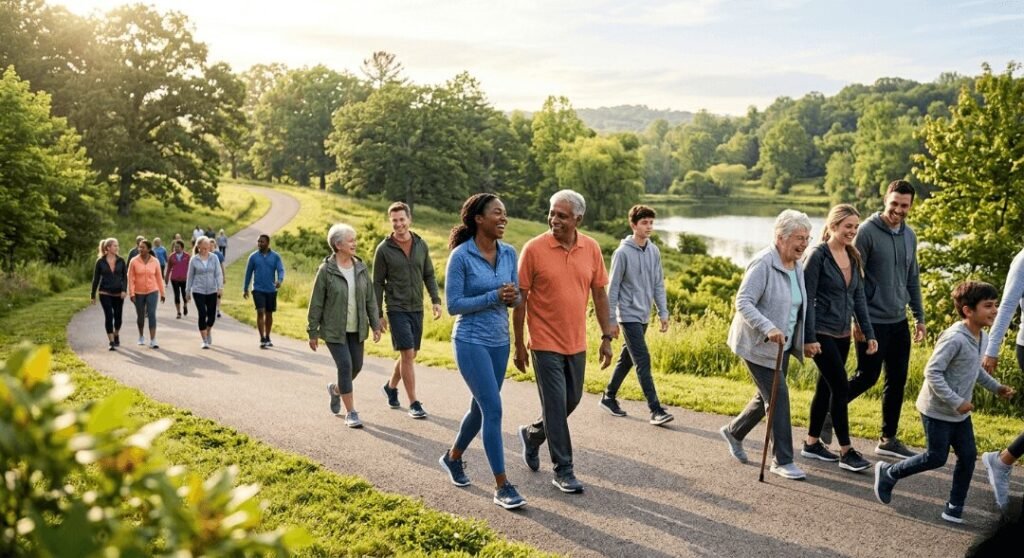
The Science-Backed Benefits That Make Walking Workouts So Effective
Let’s cut through the noise. Walking isn’t just “better than nothing.” Research consistently shows impressive results.
Brisk walking improves cardiovascular fitness, lowers blood pressure, and helps regulate blood sugar. It strengthens bones, eases joint stiffness (great for arthritis), and even counters some genetic tendencies toward weight gain.
Here’s the surprising part: one study found that women walking seven or more hours a week had a significantly lower risk of breast cancer. Another showed that adding brisk walks can cut the effect of obesity-related genes in half.
For mental health, the benefits feel almost magical. Regular walking releases endorphins, reduces anxiety and depression symptoms, and improves sleep quality. Many people report clearer thinking and better mood after consistent walks.
Weight management? Yes, it helps. While it may not torch calories as fast as running, structured walking workouts build endurance and create a sustainable calorie deficit without leaving you starving or sore.
And for longevity? Longer walking bouts (10-15 minutes or more) link to lower risks of heart disease and early death compared to many short scattered steps.
In short, walking workouts deliver whole-body benefits — heart, mind, joints, metabolism — in a gentle package.
Popular Walking Workout Trends You Should Know About
Several fun variations are making waves right now:
Japanese Walking Method Alternate three minutes of slow walking with three minutes of fast, effortful walking. Repeat 5+ times for about 30 minutes. Developed from Japanese research, it improves leg strength, aerobic capacity, and blood pressure more effectively than steady walking.
6-6-6 Walking A simple structure gaining traction for weight loss focus: 60 minutes total, often at 6 am or 6 pm, including a 6-minute warm-up and 6-minute cool-down, with brisk walking in between.
Incline or Treadmill Challenges Like the popular 12-3-30 (12% incline, 3 mph for 30 minutes), these add intensity without high impact. Great for building strength in your legs and glutes.
Mindful or Walking Yoga Combine gentle movement with breath awareness or yoga-inspired flows. Excellent for stress relief and flexibility.
Rucking or Backwards Walking Adding light weight (rucking) or trying short backwards segments for balance and joint health.
You don’t need to follow every trend. Pick one that feels enjoyable and build from there.
Real-Life Scenarios: How Walking Workouts Fit Into Busy Indian Lives
Picture this: Priya, a 35-year-old IT professional in Lucknow, used to feel guilty skipping the gym after long work calls. Now she does 30-40 minutes of Japanese-style walking in her colony park most evenings. She’s lost a few inches around her waist, sleeps better, and feels less anxious.
Or Rajesh, a 50-year-old with mild knee discomfort. He started with short brisk walks and gradually added intervals. His doctor noted better blood pressure numbers, and he plays longer with his kids without pain.
Even during humid months, many switch to early morning walks or indoor mall sessions. The flexibility makes consistency possible.
What about you? Could a simple walking routine replace one stressful workout slot in your week?
Pros and Cons: A Honest Look
Pros:
- Extremely low injury risk compared to running or HIIT.
- Free or very low cost.
- Improves overall health markers without extreme effort.
- Easy to combine with podcasts, music, or family time.
- Scalable — beginners to advanced can benefit.
Cons (or things to watch):
- May not build significant muscle mass alone (pair with bodyweight strength work).
- Progress can feel slower than high-intensity options for some goals.
- Boredom if you don’t vary routes or add structure.
The key? Treat walking as a strong foundation, not the only tool in your kit.
How to Start Your Own Walking Workout Routine (Actionable Tips)
Ready to try? Here’s a simple way to begin without overwhelm:
- Start small — Aim for 20-30 minutes, 4-5 days a week. Focus on consistency over perfection.
- Find your pace — Brisk walking means you can talk but not sing comfortably.
- Add structure gradually — Try 1-minute faster intervals followed by 2 minutes normal pace.
- Track progress — Use your phone’s step counter or a simple app. Celebrate hitting 7,000-8,000 quality steps.
- Mix it up — Alternate flat walks with slight inclines (stairs or treadmill). Include one mindful walk weekly without distractions.
- Gear wisely — Good walking shoes with cushioning matter. Wear breathable clothes suitable for Indian weather.
- Stay hydrated and listen to your body — Especially important in warmer months.
Pro tip: Walk after meals to help stabilize blood sugar naturally.
Over the next 3-6 months, expect steadier energy, better mood, and noticeable improvements in stamina. Many people report clothes fitting differently and fewer sick days.
What’s Next for Walking Workouts? A Look Ahead
As we move through 2026, experts predict walking will stay strong, especially combined with wearable tech that tracks heart rate zones or recovery.
We might see more “hybrid” approaches — walking plus light strength moves, or community walking groups emphasizing mental wellness.
The beauty is its timelessness. While flashy trends come and go, putting one foot in front of the other remains one of the most proven ways to move your body and protect your health for years to come.
Conclusion
Walking workouts aren’t just another fleeting trend. They represent a return to basics that actually work — movement that’s kind, effective, and realistic for real life.
In a world pushing us toward exhaustion, choosing to walk feels like an act of self-care and quiet rebellion. It reminds us that health doesn’t always require suffering. Sometimes, it just asks us to step outside and keep moving.
So, lace up your shoes tomorrow. Start small, stay curious, and watch how simple steps create bigger changes — in your body, your mind, and maybe even your outlook on fitness.
What’s one small walking change you could make this week? Your future self might thank you more than you expect.
(Word count: approximately 1,720)
FAQs
Q1: Are walking workouts effective for weight loss? Yes, especially when done consistently with brisk paces or intervals. They create a sustainable calorie burn and help regulate appetite and blood sugar. Combine with a balanced diet for best results.
Q2: How long should a walking workout be to see benefits? Start with 20-30 minutes most days. Aim for at least 150 minutes of moderate brisk walking per week. Longer continuous bouts (10+ minutes) often deliver stronger heart health benefits.
Q3: Is Japanese walking better than regular walking? Research suggests interval-style Japanese walking can improve fitness markers like blood pressure and endurance more than steady moderate walking in the same time frame.
Q4: Can walking workouts replace gym sessions completely? They’re excellent for cardio and overall health but work best alongside some strength training for muscle maintenance. Many people use walking as their main cardio while adding simple home strength work.
Q5: What’s the best time to do walking workouts? Morning walks boost energy and mood for the day. Evening walks help unwind. Choose what fits your schedule — consistency matters more than perfect timing.