
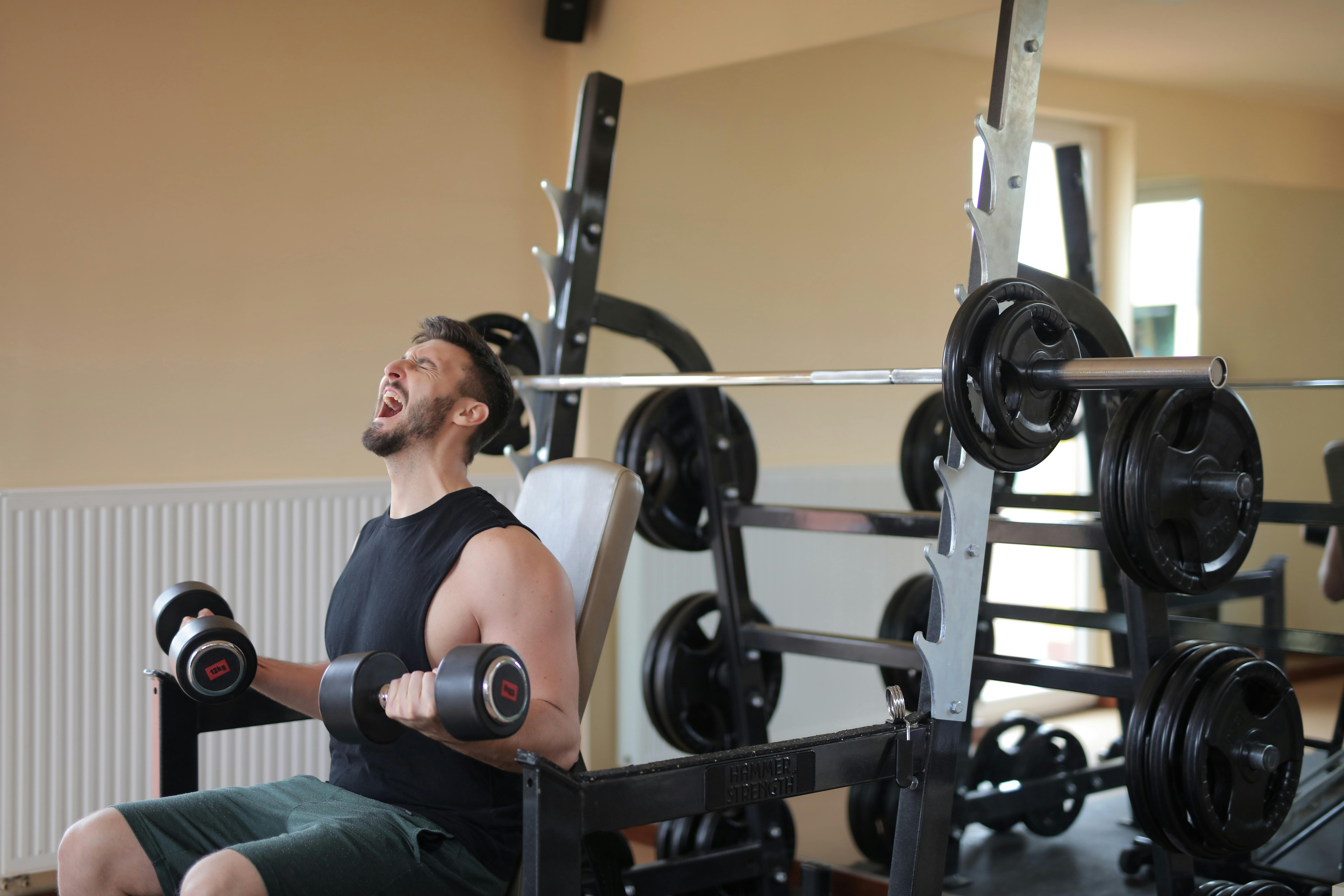
Unlock peak fitness without breaking the bank! Discover whether cardio or strength training offers the most cost-effective home workout in 2026. This guide details budget-friendly equipment, free resources, and long-term savings for a healthier you, comparing options for every budget and lifestyle.
Introduction to the Topic
In an era where personal well-being is paramount, yet financial prudence is increasingly vital, the search for accessible and affordable health solutions has intensified. As we navigate 2026, the global landscape continues to push individuals towards more self-sufficient and budget-conscious lifestyle choices, particularly concerning fitness. Gone are the days when a gym membership was the sole gateway to a robust workout regimen. Today, home workouts have ascended from a temporary necessity to a preferred, sustainable model for millions worldwide, from bustling metropolitan centers in the US to serene households across India.
But for those looking to maximize their health while minimizing expenditure, a fundamental question emerges: when setting up a home fitness routine, which path offers the greatest financial advantage – focusing on cardio or investing in strength training? Both are cornerstones of a balanced health regimen, offering distinct benefits from cardiovascular resilience and improved endurance to muscle development and bone density. This article delves deep into the economic realities of each approach, comparing initial outlays, ongoing costs, and the long-term value they deliver, empowering you to make an informed decision that aligns with both your wellness goals and your wallet.
Backgrounds & Facts
The shift towards home workouts isn't just a trend; it's a strategic adaptation to modern living. The average annual cost of a gym membership in the US can range from $300 to $600, not including initiation fees, personal training sessions, or travel time. In India, while gym costs can be lower, they still represent a significant discretionary expense for many households. The allure of zero commute, flexible timing, and privacy makes home fitness an attractive alternative, especially when considering the potential for substantial savings over time.
Cardiovascular exercise, often shortened to cardio, is any rhythmic activity that raises your heart rate and keeps it elevated for a sustained period. Its benefits are profound: improved heart health, increased stamina, better mood, enhanced sleep, and efficient calorie burning. Common home cardio options include running, jogging, cycling, jumping jacks, high-knees, and jump rope. The initial investment here can be minimal – a good pair of running shoes, a jump rope, or simply the great outdoors. However, dedicated equipment like a treadmill or stationary bike can represent a significant, albeit often one-time, expense.
Strength training, also known as resistance training, focuses on building muscle mass, improving bone density, increasing metabolism, and enhancing functional strength. This can involve bodyweight exercises (squats, push-ups, planks), free weights (dumbbells, kettlebells), resistance bands, or weight machines. The beauty of strength training at home is its incredible versatility. You can start with literally no equipment, relying solely on your bodyweight, or gradually build a collection of versatile tools that cater to progressive overload. The cost spectrum for strength training equipment can range from free to several thousands, depending on the desired setup.
According to a 2023 report by the American College of Sports Medicine, consistent engagement in both cardio and strength training is crucial for comprehensive health, reducing the risk of chronic diseases such as type 2 diabetes, heart disease, and osteoporosis. The World Health Organization (WHO) recommends at least 150 minutes of moderate-intensity aerobic activity and two days of muscle-strengthening activities per week for adults. Achieving these recommendations at home, without hefty recurring fees, is the ultimate financial and health win.
Expert Opinion / Analysis
"When advising clients on setting up a home fitness regimen, the 'cost per use' is a critical metric," explains Dr. Anya Sharma, a renowned fitness economist and public health advocate. "While the upfront cost of a treadmill might seem high, if you use it consistently for five years, your per-workout cost could be pennies. The same applies to a quality set of adjustable dumbbells."
From an economic standpoint, both cardio and strength training offer compelling pathways to savings. However, the initial barrier to entry is often lower for bodyweight-focused strength training and certain forms of cardio like running or jumping rope. "You can begin a highly effective strength routine with zero equipment beyond your own body and a sturdy floor," Dr. Sharma notes. "Think push-ups, squats, lunges, planks – these are foundational and free. For cardio, a pair of decent running shoes is often the biggest initial expense, assuming you have access to safe outdoor spaces."
The long-term value extends beyond just equipment. Consider the indirect costs: time saved commuting to a gym, the mental health benefits of regular exercise reducing stress-related healthcare costs, and the preventative power of fitness against chronic diseases. "Investing in your health through home workouts is perhaps one of the smartest financial decisions you can make," adds Rohan Patel, a certified fitness coach based in Bengaluru. "The money saved on gym memberships, fuel, and even impulse post-gym purchases can be redirected towards healthier groceries or other financial goals."
However, the analysis isn't without its nuances. Cardio equipment like treadmills or ellipticals can be bulky and require significant space, which might be a hidden cost if it necessitates a larger living area. Strength training equipment, especially adjustable dumbbells or resistance bands, often boasts a smaller footprint. Ultimately, the "best" option is highly personalized, dependent on individual fitness goals, available space, and commitment level. Both can be incredibly cost-effective, but one might offer a quicker, cheaper entry point depending on your specific needs.
Best Options in Comparison (VERY IMPORTANT)
Let's break down the most financially savvy ways to incorporate cardio and strength training into your home routine, followed by a comprehensive comparison table.
Option 1: Ultra-Budget Cardio Home Setup
This approach focuses on minimal investment for maximum cardiovascular benefit.
- Running/Walking Outdoors: Absolutely free. All you need are comfortable clothes and a good pair of running shoes (approx. $80-$150, but can last 6-12 months). This is the quintessential budget cardio.
- Jump Rope: A high-intensity, full-body cardio workout for a minimal cost. A quality jump rope can be purchased for around $10-$25. It's portable, requires little space, and burns serious calories.
- Bodyweight Cardio: Exercises like jumping jacks, high knees, burpees, mountain climbers, and shadow boxing require no equipment whatsoever. Utilize free online resources like YouTube channels (e.g., "FitnessBlender", "Popsugar Fitness") for guided workouts.
- Stair Climbing: If you have stairs at home or in your apartment building, they're a fantastic, free cardio tool.
- Optional Upgrade (Used): If budget allows and space permits, consider a used stationary bike or elliptical from online marketplaces (e.g., Facebook Marketplace, Craigslist, OLX in India). Prices can range from $100-$400 for decent models, offering a more consistent, weather-independent cardio option.
Benefits: Excellent for heart health, endurance, weight management, and stress reduction. Very low initial cost, highly flexible.
Cost Breakdown (Initial): $0 - $175 (shoes + jump rope), potentially $100-$400 for a used machine.
Option 2: Ultra-Budget Strength Training Home Setup
This path emphasizes building strength and muscle with minimal to no equipment.
- Bodyweight Training: The ultimate free strength workout. Master push-ups, squats, lunges, planks, glute bridges, and tricep dips. Progressions can be made by adjusting leverage or adding repetitions. Again, free online resources are abundant.
- Resistance Bands: Incredibly versatile and cost-effective. A set of loop bands or long bands with handles can range from $15-$40. They can be used for a full-body workout, mimicking many gym exercises, and are highly portable.
- Utilizing Household Items: Water bottles, heavy books, or a backpack filled with items can serve as makeshift dumbbells for lighter resistance. A sturdy chair can be used for dips or elevated squats.
- Optional Upgrade (Adjustable Weights): A single kettlebell (8kg-20kg) for around $50-$120 or a pair of adjustable dumbbells (e.g., Bowflex SelectTech or similar brands) for $150-$300 can replace an entire rack of fixed weights, saving significant space and money in the long run. These offer progressive overload crucial for sustained muscle growth.
Benefits: Builds muscle, increases bone density, boosts metabolism, improves functional strength, and enhances body composition. Very low initial cost, highly adaptable.
Cost Breakdown (Initial): $0 - $40 (resistance bands), potentially $50-$300 for adjustable weights.
| Feature/Category | Cardio Home Workout (Budget Focus) | Strength Home Workout (Budget Focus) | Hybrid/Combined Approach (Best Value) |
|---|---|---|---|
| Initial Cost (Estimate) | Low ($0-$175 for shoes/rope; up to $400 for used machine) | Very Low ($0-$40 for bands; up to $300 for adjustable weights) | Moderate ($50-$500 for core items) |
| Ongoing Costs | Very Low (shoe replacement, occasional app subscription) | Very Low (potential resistance band replacement, occasional app subscription) | Very Low (maintenance, digital subscriptions) |
| Space Requirements | Minimal (for jumping/bodyweight); Significant (for treadmill/bike) | Minimal (for bodyweight/bands); Moderate (for adjustable weights) | Moderate (dedicated workout corner) |
| Key Equipment Examples | Running shoes, jump rope, stopwatch, used stationary bike/elliptical | Resistance bands, adjustable dumbbells/kettlebell, yoga mat, sturdy chair | |
| Primary Benefits | Cardiovascular health, endurance, calorie burn, mood elevation | Muscle growth, bone density, metabolism boost, functional strength | |
| Versatility | Good (variations in intensity, environment) | Excellent (hundreds of exercises with minimal tools) | Superior (comprehensive fitness, injury prevention) |
| Injury Risk (with proper form) | Low to Moderate (impact from running, improper jump rope technique) | Low (bodyweight); Moderate (improper weight lifting form) | Lowest (balanced development, less overuse injury) |
| Long-Term Value | High (sustainable, accessible health benefits) | Very High (foundational strength for aging, metabolism) | Exceptional (holistic health, longevity, disease prevention) |
Outlook & Trends
Looking ahead to 2026 and beyond, the home fitness landscape is set to evolve further, making cost-effective solutions even more sophisticated and accessible. We are witnessing a surge in AI-powered personalized training apps that can adapt workouts to your progress and available equipment, often for a fraction of the cost of a personal trainer. Virtual reality (VR) and augmented reality (AR) workouts are also gaining traction, transforming living rooms into immersive fitness environments with minimal physical equipment, potentially offering engaging cardio and strength routines for a one-time headset investment and subscription fees.
The "smart" gym equipment market is expanding, with connectivity and data tracking becoming standard. While some high-end smart treadmills or weight systems come with a hefty price tag, the trend is towards more affordable, modular smart accessories that can integrate with existing home setups. Think smart jump ropes that track reps and calories, or smart resistance bands that provide real-time feedback on tension and form. These innovations promise to enhance motivation and effectiveness without necessarily demanding a full home gym overhaul.
Furthermore, the hybrid model of fitness is here to stay. Many individuals will continue to blend outdoor activities, free bodyweight workouts, and targeted equipment purchases at home with occasional gym visits or specialized classes. This flexible approach allows individuals to leverage the best of both worlds, optimizing their fitness journey for both health outcomes and financial efficiency. The emphasis will remain on sustainable, enjoyable, and financially viable fitness solutions that integrate seamlessly into daily life, reflecting a growing global awareness of holistic wellness and preventative health.
Conclusion
The debate of cardio versus weights for home workouts, when viewed through a financial lens, reveals a clear and encouraging truth: both can be incredibly cost-effective, offering substantial savings compared to traditional gym memberships. The "winner" ultimately depends on your primary fitness goals, available space, and willingness to invest. For the absolute lowest entry cost, bodyweight strength training and outdoor cardio (running, walking) are unparalleled, requiring virtually no financial outlay beyond a good pair of shoes.
However, for a more comprehensive and long-term sustainable fitness regimen, a hybrid approach emerges as the undisputed champion. By strategically investing in a few versatile pieces of equipment – perhaps a quality jump rope, a set of resistance bands, and a single adjustable dumbbell or kettlebell – you can unlock the full spectrum of cardio and strength benefits. This combined strategy not only maximizes your physical health but also offers superior value, allowing for varied workouts that prevent boredom and promote continuous progress.
In 2026, the power to achieve your health goals lies firmly in your hands, and it doesn't require a fortune. Start small, be consistent, leverage the wealth of free online resources, and gradually build a home fitness setup that empowers you. Remember, the most cost-effective workout is the one you consistently do, delivering invaluable returns on your health investment for years to come.