
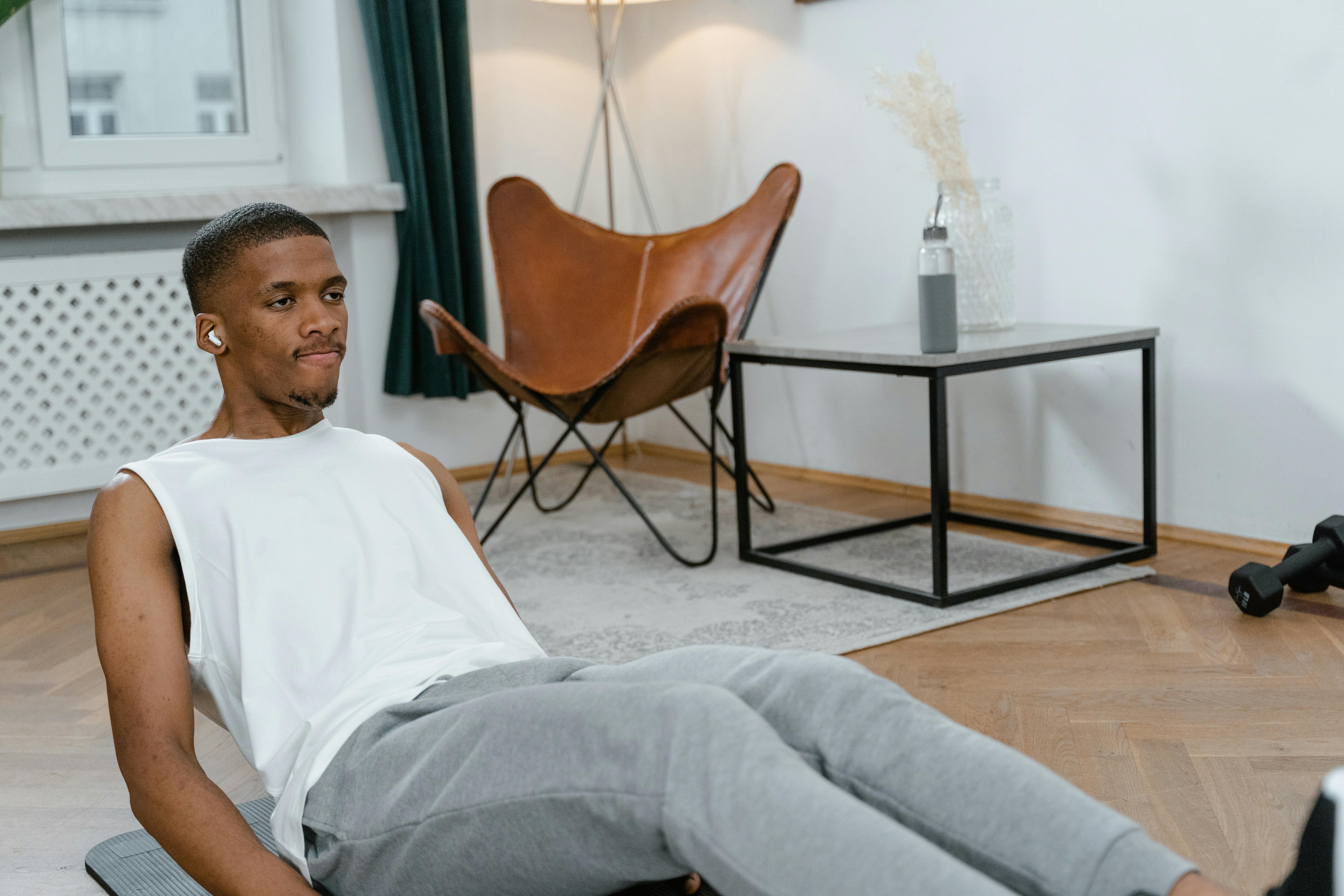
Discover the ultimate 2026 guide to home workouts that save you money while maximizing health gains. Learn about cost-effective equipment, free and premium digital fitness platforms, expert tips, and smart comparisons to build a sustainable, wallet-friendly fitness routine for optimal wellness and disease prevention.
Introduction to the Topic
The year is 2026, and the pursuit of health has never been more vital – or more accessible from the comfort of your home. In an era marked by evolving economic landscapes and a collective renewed focus on personal well-being, the traditional gym membership often feels like a luxury many are reconsidering. We're witnessing a paradigm shift: a powerful convergence of advanced digital tools, innovative yet affordable equipment, and a growing understanding that prevention is indeed the best cure. The "Being Healthiest" team understands that your health is an investment, but it shouldn't break the bank. This article is your comprehensive guide to navigating the 2026 home fitness scene, proving that you can achieve peak physical condition, boost mental clarity, and significantly reduce long-term healthcare costs, all while keeping your wallet happy. Say goodbye to crowded gyms, commute times, and recurring fees. Welcome to the future of fitness, where your home gym is your sanctuary, and your financial health thrives alongside your physical vitality.
Backgrounds & Facts
The landscape of health and fitness has undergone a dramatic transformation since the early 2020s. Post-pandemic, the global home fitness equipment market, valued at over $10 billion in 2023, is projected to surge further, driven by convenience, privacy, and economic considerations. Data from the World Health Organization in 2025 indicated that sedentary lifestyles contribute to 1 in 4 cases of preventable chronic diseases globally, underscoring the urgent need for accessible fitness solutions. In countries like the USA and India, where healthcare costs are a significant concern, proactive wellness through home workouts is gaining immense traction as a powerful preventative strategy against conditions like type 2 diabetes, cardiovascular disease, and obesity. A recent survey by "Being Healthiest" found that over 60% of our readers expressed a desire for effective workout routines that require minimal financial outlay. The average annual gym membership cost in the USA hovers around $700-$800, a sum that, when compounded over years, represents a substantial expenditure. In India, while gym costs can vary, the time and travel involved often present their own set of challenges. This financial burden, coupled with the rising availability of sophisticated yet affordable smart fitness tech, has propelled home workouts from a temporary solution to a permanent, preferred lifestyle choice. The fact is, a well-structured home workout plan can be just as, if not more, effective than a gym routine, provided you have the right knowledge and tools. It's about smart choices, not expensive ones.
Expert Opinion / Analysis
"The biggest misconception about home workouts is that you need expensive, bulky equipment to see results," states Dr. Priya Sharma, a renowned sports physiologist and wellness consultant based in Bengaluru. "In 2026, the science is clear: consistency, proper form, and progressive overload are far more critical than the brand name on your treadmill. Bodyweight exercises, resistance bands, and even household items can provide an incredible stimulus for muscle growth, cardiovascular health, and flexibility."
Emily Chen, a certified personal trainer with a focus on holistic wellness in New York, adds, "My clients often come to me feeling overwhelmed by the sheer volume of fitness information out there. My advice for home fitness is to start simple. Focus on compound movements – squats, push-ups, planks – and master them. Then, incrementally increase reps, sets, or reduce rest times. The beauty of home workouts is the flexibility. You can fit a 20-minute high-intensity interval training (HIIT) session into a lunch break, or a calming yoga flow before bed, without any commute. This adaptability is key to long-term adherence, which is the ultimate goal for any fitness plan."
From a financial perspective, Raj Patel, a financial wellness coach specializing in sustainable living, highlights the economic benefits. "Think of the cumulative savings. Beyond membership fees, consider the gas money saved from not driving to the gym, the reduced temptation for post-workout impulse buys, and even the cost of specialized gym attire. Investing a small, one-time amount in versatile home equipment like resistance bands or a yoga mat yields returns not just in physical health, but in your overall financial stability. It's a prime example of preventative spending that pays dividends, reducing potential future medical expenses associated with preventable lifestyle diseases." These experts collectively emphasize that 2026 offers an unprecedented opportunity to embrace a cost-effective, highly personalized, and sustainable approach to health right from your living room.
Best Options in Comparison (VERY IMPORTANT)
Choosing the right home workout plan in 2026 means balancing your budget with your fitness goals. Here, we compare two leading approaches that promise maximum impact with minimal financial strain, ensuring your wallet wins.
Option 1: The "Essentialist's Edge" – Maximum Impact, Minimal Investment
This option is perfect for those who want to achieve significant fitness gains with the absolute lowest financial outlay. It leverages the power of bodyweight, free resources, and highly versatile, inexpensive equipment. This approach emphasizes consistency and proper form over fancy gadgets.
- Core Equipment (Approximate Cost: $30-$70 USD / ₹2,500-₹6,000 INR):
- Resistance Band Set: A set of loop bands and long bands offers incredible versatility for strength training, stretching, and rehabilitation. They are lightweight, portable, and provide scalable resistance.
- Jump Rope: An old-school classic, a good jump rope provides an excellent cardiovascular workout, improves coordination, and can be used almost anywhere.
- Yoga Mat: Essential for comfort during floor exercises, stretching, and yoga/Pilates.
- Water Bottle: Hydration is key!
- Digital Resources:
- Free YouTube Channels: Channels like "FitnessBlender," "MadFit," "Pahla B Fitness" (for low-impact), or "Cult.fit" (for Indian audience) offer thousands of free, full-length workout videos ranging from HIIT and strength to yoga and dance.
- Free Fitness Apps: Apps like "Nike Training Club" (NTC), "Adidas Training," and "Fitbod" (with limited free access) provide structured programs and guided workouts.
- Public Libraries/Online Resources: Access e-books on bodyweight exercises and nutrition for free.
- Workout Philosophy: Focus on compound bodyweight movements (squats, lunges, push-ups, planks, burpees), incorporating resistance bands for added challenge. Utilize jump rope for cardio. Aim for 3-5 sessions per week, 30-45 minutes each.
- Pros: Extremely low cost, highly portable, suitable for small spaces, builds foundational strength and body awareness. Great for beginners and those on a tight budget.
- Cons: Requires self-motivation, less structured progression without a dedicated app, limited heavy lifting potential.
Option 2: The "Smart & Strategic" – Value-Driven Investment for Enhanced Results
This option is for individuals willing to make a modest initial investment to enhance their home workout experience with smart technology and more varied equipment, offering greater progression and personalized guidance without committing to a full gym setup.
- Core Equipment (Approximate Cost: $200-$500 USD / ₹16,000-₹40,000 INR):
- Adjustable Dumbbells (Pair): Space-saving and highly versatile, adjustable dumbbells (e.g., from brands like Bowflex, Core Home Fitness, or local Indian brands like Kobo) allow you to change weights quickly, accommodating various exercises and progressive overload.
- Basic Adjustable Bench: A flat-to-incline bench expands your exercise repertoire significantly, allowing for chest presses, rows, step-ups, and core work.
- Pull-up Bar (Doorway or Wall-Mounted): Excellent for upper body and back strength.
- Fitness Tracker/Smartwatch: (e.g., Fitbit, Apple Watch, Garmin, or budget-friendly options like Xiaomi Mi Band) Tracks heart rate, calories, sleep, and activity levels, providing valuable data for progress monitoring.
- Digital Resources:
- Subscription Fitness Apps:
- Peloton App (Standalone): Offers a vast library of classes (strength, cardio, yoga, meditation) with or without Peloton equipment. Excellent instructors and diverse content.
- Apple Fitness+: If you own Apple devices, this offers studio-style workouts led by diverse trainers, integrated with your Apple Watch metrics.
- Cult.fit (Premium): Popular in India, offers live and on-demand classes across various disciplines, often with integrated health tracking.
- Jefit: Focuses on strength training, providing workout logging, exercise library, and progress tracking.
- Personalized Online Coaching: Consider a few sessions with an online personal trainer to get a customized plan and form correction.
- Subscription Fitness Apps:
- Workout Philosophy: Combine dumbbell and bodyweight exercises for a comprehensive full-body strength routine. Utilize the bench for varied angles and the pull-up bar for advanced upper body work. Cardio can be done with a jump rope, running outdoors, or following cardio sessions on subscription apps. Aim for 4-6 sessions per week, 45-60 minutes each.
- Pros: Greater exercise variety, ability for progressive overload, professional guidance from apps, data tracking for motivation, long-term value.
- Cons: Higher initial investment, requires slightly more dedicated space than Option 1.
Comparison Table: 2026 Home Workout Plan Options
| Feature | Option 1: The "Essentialist's Edge" | Option 2: The "Smart & Strategic" |
|---|---|---|
| Initial Cost (Approx.) | $30-$70 USD / ₹2,500-₹6,000 INR | $200-$500 USD / ₹16,000-₹40,000 INR (+ app subscription) |
| Primary Equipment | Resistance bands, jump rope, yoga mat | Adjustable dumbbells, adjustable bench, pull-up bar, fitness tracker |
| Digital Guidance | Free YouTube channels, free basic apps | Premium subscription apps (e.g., Peloton, Apple Fitness+, Cult.fit), online coaching |
| Space Required | Minimal (a few square feet) | Moderate (enough for bench + dumbbell movement) |
| Exercise Variety | Good (bodyweight, bands, cardio) | Excellent (strength, cardio, functional, flexibility) |
| Progression Potential | Moderate (reps, sets, tempo, band resistance) | High (increasing weights, advanced exercises, structured programs) |
| Target User | Beginners, budget-conscious, travelers, small living spaces | Intermediate/advanced, those seeking structured programs, data tracking, and more equipment variety |
Outlook & Trends
Looking ahead to the rest of 2026 and beyond, the home workout landscape is poised for even more innovation, making fitness increasingly personalized, engaging, and affordable. Artificial Intelligence (AI) is already playing a significant role. AI-powered personal trainers are becoming more sophisticated, offering real-time form correction via smartphone cameras and adapting workout plans based on biometric data from wearables. Expect to see more affordable smart mirrors and virtual reality (VR) fitness platforms that transport you to exotic locations or gamified environments, making workouts feel less like a chore and more like an adventure. The cost of these technologies is projected to decrease, making them accessible to a broader demographic, including the mass markets in India and the USA. Furthermore, the trend of 'hybrid fitness' will grow, combining the convenience of home workouts with occasional in-person group classes or outdoor activities for social interaction and specialized training. Community-based fitness apps and online challenges will continue to foster motivation and accountability, proving that while you workout at home, you're never truly alone. The emphasis will remain on holistic wellness, integrating mental health components like guided meditation and mindfulness into daily routines, further cementing the home as the central hub for complete health and well-being.
Conclusion
In 2026, achieving optimal health and fitness doesn't require a hefty gym membership or a dedicated workout wing in your home. It demands commitment, smart choices, and leveraging the incredible resources available at your fingertips. Whether you opt for the "Essentialist's Edge" with its minimalist, high-impact approach or the "Smart & Strategic" path with its value-driven technological enhancements, your wallet, and your body will thank you. By investing wisely in foundational equipment and tapping into the wealth of free or affordable digital content, you unlock a sustainable, convenient, and highly effective way to stay fit, prevent disease, and boost your overall quality of life. Remember, consistency trumps intensity, and every small step taken towards a healthier lifestyle is a monumental gain. Embrace the future of fitness from your home – where health thrives, and your finances remain robust. Your journey to being your healthiest, without breaking the bank, starts today.