
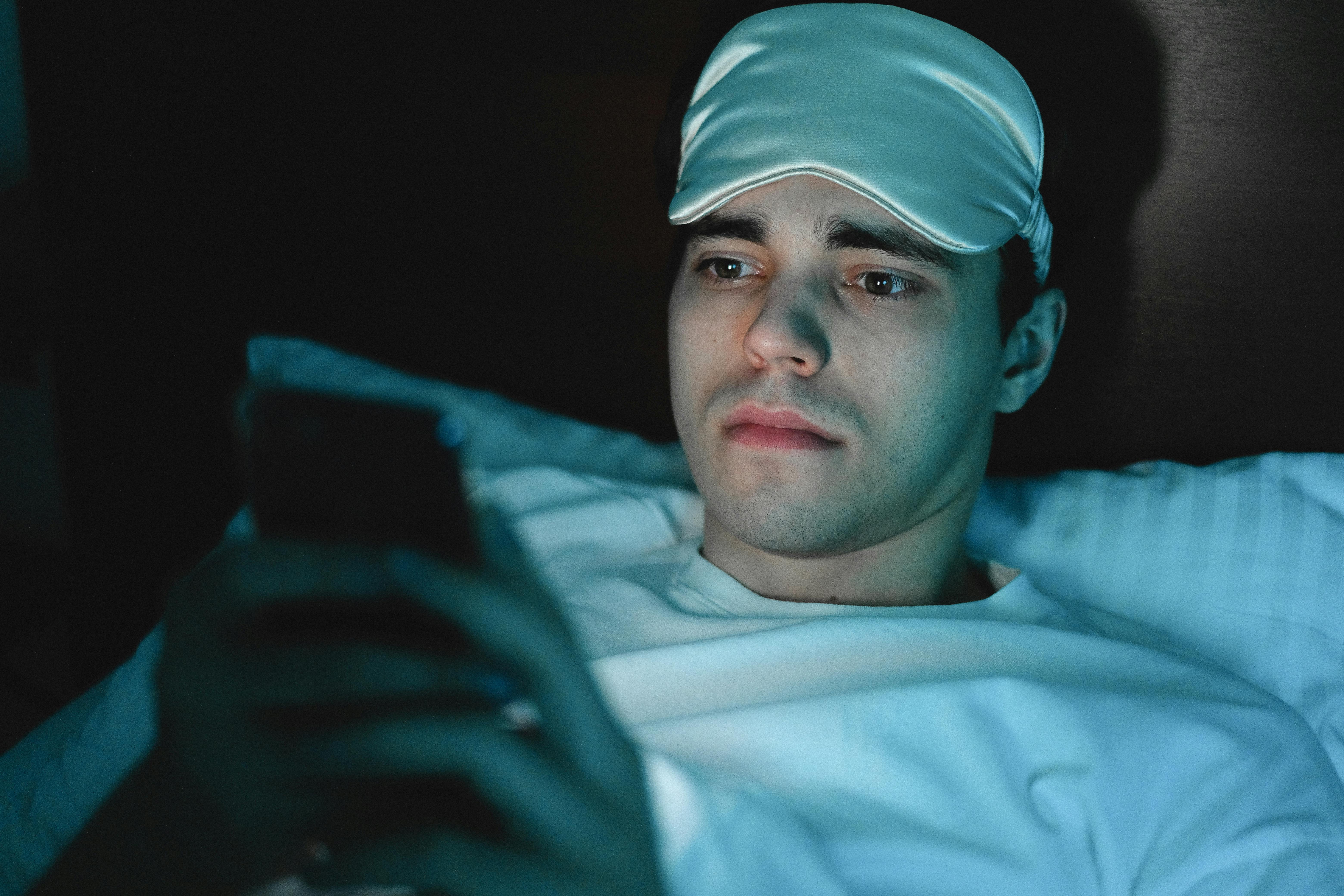
Unlock peak sleep quality in 2026 without breaking the bank. Discover evidence-based, budget-friendly sleep hygiene tips, compare smart choices, and embrace affordable wellness for optimal health and vitality.
Introduction to the Topic
In 2026, the relentless pace of modern life, amplified by digital demands and global stressors, continues to underscore a critical truth: quality sleep is not a luxury, but a fundamental pillar of health. Yet, for many, achieving restorative sleep feels increasingly out of reach, often perceived as requiring expensive gadgets, premium subscriptions, or elaborate routines. At "Being Healthiest," we believe that optimal well-being should be accessible to everyone, regardless of their budget. This year, as economic shifts prompt a renewed focus on smart spending, mastering sleep hygiene on a budget has never been more relevant.
Poor sleep isn't merely about feeling tired; it's a gateway to a cascade of health issues, from impaired cognitive function and weakened immunity to increased risk of chronic diseases and mental health challenges. The good news? The most impactful strategies for improving sleep quality are often the simplest, requiring more commitment than cash. This article will guide you through evidence-based, actionable tips for cultivating peak sleep hygiene in 2026, proving that investing in your sleep doesn't have to mean emptying your wallet. We'll explore how smart choices and consistent habits can deliver profound health dividends, ensuring you wake up refreshed, ready to tackle the day, and healthier than ever.
Backgrounds & Facts
The science of sleep, a dynamic field, continues to reveal the intricate processes that underpin our nightly slumber. Our bodies operate on a sophisticated internal clock, the circadian rhythm, which dictates our sleep-wake cycle. This rhythm is heavily influenced by light and darkness, signaling to the brain when to release sleep-inducing melatonin or wakefulness-promoting cortisol. During sleep, we cycle through various stages – NREM (Non-Rapid Eye Movement) and REM (Rapid Eye Movement) – each vital for different restorative functions. NREM sleep is crucial for physical repair, hormone regulation, and memory consolidation, while REM sleep is essential for emotional processing, learning, and dreaming. Disruptions to these cycles, even minor ones, can have significant repercussions on our physical and mental health.
Globally, the "sleep crisis" remains a pressing public health concern in 2026. Data from the World Health Organization and various national health surveys indicate that a staggering percentage of adults, upwards of 30-40% in many developed and rapidly developing nations like the USA and India, consistently report insufficient or poor-quality sleep. Factors contributing to this include increased screen time, demanding work schedules, chronic stress, and the pervasive "always-on" culture. The economic cost of this sleep deficit is immense, estimated to be billions of dollars annually in lost productivity, increased healthcare expenditures, and accident rates. For individuals, the cost manifests as reduced quality of life, diminished performance, and a heightened susceptibility to conditions such as obesity, type 2 diabetes, cardiovascular disease, and anxiety disorders.
This is precisely why sleep hygiene – the set of practices and habits necessary for good nighttime sleep quality and full daytime alertness – is so critical. It's the foundational framework upon which healthy sleep is built. Dispelling common myths, such as the belief that one can "catch up" on sleep over the weekend, is vital. While some recovery is possible, chronic sleep debt cannot be fully repaid, and inconsistent sleep patterns further disrupt the delicate circadian rhythm. Understanding these fundamental facts empowers us to make informed choices, emphasizing that simple, consistent habits are far more effective and sustainable than chasing quick fixes or expensive solutions.
Expert Opinion / Analysis
"In 2026, the conversation around sleep has rightly shifted from a luxury item to a non-negotiable health imperative," states Dr. Anya Sharma, Director of the Global Sleep Health Initiative. "However, the misconception that good sleep demands a significant financial outlay persists. My research and clinical experience consistently show that the most powerful interventions are behavioral, not technological or expensive. It's about consistency, environment, and mindset, all of which can be optimized on a budget."
Dr. Sharma emphasizes three core pillars of effective, budget-friendly sleep hygiene:
- Consistency is King: "Your body thrives on routine. Going to bed and waking up at roughly the same time every day, even on weekends, is perhaps the single most potent tool for regulating your circadian rhythm. This costs absolutely nothing but yields immense benefits. It signals to your brain when to produce melatonin and when to prepare for wakefulness, creating a robust internal clock."
- Optimize Your Sleep Environment (Affordably): "Your bedroom should be a sanctuary dedicated to sleep. Focus on making it dark, quiet, and cool. You don't need smart blinds to achieve darkness; heavy curtains or even a simple eye mask can work wonders. Noise can be mitigated with earplugs or a free white noise app. As for temperature, cracking a window or using a fan is often as effective as an expensive smart thermostat, aiming for that ideal 65-68°F (18-20°C) range."
- Master Your Pre-Sleep Routine: "The hour before bed is crucial for signaling to your body that it's time to wind down. This involves avoiding stimulating activities like intense exercise or emotionally charged conversations. Critically, it means ditching blue-light emitting screens – phones, tablets, laptops – at least an hour before sleep. Blue light suppresses melatonin production, tricking your brain into thinking it's daytime. Instead, engage in relaxing activities: read a physical book, listen to calming music, practice deep breathing, or take a warm shower. These are all free or low-cost activities that effectively prepare your mind and body for sleep."
Dr. Sharma also highlights the profound connection between sleep and mental health. "Anxiety and stress are major sleep disruptors. Incorporating budget-friendly mindfulness practices, such as free meditation apps, progressive muscle relaxation, or simply a gratitude journal, can significantly reduce mental chatter and foster a calmer state conducive to sleep. It's about understanding that sleep hygiene isn't just about physical preparations; it's about nurturing your mental well-being too." The expert consensus remains clear: foundational habits, consistently practiced, offer the highest return on investment for sleep quality, far outweighing the appeal of costly, quick-fix solutions.
Best Options in Comparison
Achieving peak sleep quality in 2026 doesn't require a premium price tag. Here, we compare effective, budget-friendly options against their often-costly premium alternatives, demonstrating that smart choices can lead to profound results.
- Bedroom Darkness:
- Budget-Friendly Tip: DIY Blackout Curtains or Sleep Mask. Utilizing heavy blankets, dark sheets, or tin foil to cover windows, or simply investing in a comfortable, opaque sleep mask (available for a few dollars), can create an impressively dark sleep environment.
- Premium Alternative: Smart Blackout Blinds/Motorized Shades. These offer convenience and automation but come with a significant installation and product cost.
- Temperature Regulation:
- Budget-Friendly Tip: Open Window, Fan, or Strategic Bedding. A small fan (under $20), opening a window, or choosing breathable cotton/bamboo sheets and light pajamas can effectively regulate your body temperature for optimal sleep.
- Premium Alternative: Smart Thermostat Systems or Cooling Mattresses. While offering precise climate control, these represent a substantial investment.
- Blue Light Reduction:
- Budget-Friendly Tip: Digital Sunset & Device Settings. Simply powering down all screens (phones, tablets, TVs) at least 60-90 minutes before bed is free. Most modern devices also have built-in "Night Shift" or "Blue Light Filter" modes that warm the screen color, which can be activated for free.
- Premium Alternative: Blue Light Blocking Glasses or Smart Lamps with Circadian Lighting. While effective, dedicated blue light glasses can cost $20-$100+, and smart lamps are often over $50.
- Relaxation Aids:
- Budget-Friendly Tip: Herbal Teas, Warm Bath, or Free Meditation Apps. A warm bath or shower before bed, a cup of chamomile or lavender tea (basic tea bags are very affordable), or guided meditations via free apps like Insight Timer or YouTube channels are powerful relaxation tools.
- Premium Alternative: High-End Sleep Supplements, Luxury Bath Bombs, or Paid Meditation Subscriptions. These can quickly add up, with supplements often costing $20-$50+ monthly and subscriptions around $10-$15/month.
- Noise Reduction:
- Budget-Friendly Tip: Earplugs or Free White Noise Apps. Simple foam earplugs are incredibly inexpensive (a pack can last months). Many free smartphone apps offer various white noise, brown noise, or nature sounds to mask disruptive noises.
- Premium Alternative: Smart Sound Machines or Noise-Canceling Headphones. Dedicated sound machines can range from $30-$100+, and quality noise-canceling headphones are significantly more.
| Sleep Hygiene Category | Budget-Friendly Tip | "Premium" Alternative | Key Benefit | Estimated Cost (Budget) | Estimated Cost (Premium) |
|---|---|---|---|---|---|
| Bedroom Darkness | DIY Blackout (heavy blankets/foil) / Sleep Mask | Smart Blackout Blinds / Motorized Shades | Optimizes melatonin production, deepens sleep | $0 - $15 | $200 - $1000+ |
| Temperature Control | Open window / Fan / Breathable bedding | Smart Thermostat / Cooling Mattress Pad | Facilitates body's natural temperature drop for sleep | $0 - $50 | $150 - $500+ |
| Blue Light Reduction | Digital detox / Device Night Shift mode | Blue Light Blocking Glasses / Circadian Smart Lamps | Prevents melatonin suppression, aids sleep onset | $0 | $20 - $150+ |
| Relaxation Aid | Herbal tea / Warm bath / Free meditation apps | Premium Sleep Supplements / Paid Meditation Subscriptions | Calms mind and body, reduces pre-sleep anxiety | $5 - $20 (monthly) | $25 - $75+ (monthly) |
| Noise Reduction | Earplugs / Free white noise apps | Smart Sound Machines / Noise-Canceling Headphones | Blocks disruptive sounds, maintains sleep continuity | $2 - $10 | $30 - $300+ |
Outlook & Trends
Looking ahead to the rest of 2026 and beyond, the landscape of sleep wellness continues to evolve, with a promising shift towards more accessible and integrated solutions. We're seeing a growing emphasis on holistic wellness, where sleep is no longer viewed in isolation but as an integral component of diet, exercise, and mental health. This means more free or low-cost resources emerging that connect the dots between these pillars.
One significant trend is the rise of open-source and freemium models in sleep technology. While premium sleep trackers and smart beds will always have their niche, there's a burgeoning market for robust, free sleep-tracking apps that leverage existing smartphone sensors to provide valuable insights into sleep patterns. AI-powered personalized advice, often available through free tiers of wellness platforms, is also becoming more sophisticated, offering tailored recommendations based on user data without requiring expensive hardware. Community-based sleep challenges and forums, easily accessible online, provide peer support and accountability, proving that collective effort can be a powerful, budget-friendly motivator for improving sleep habits.
Another exciting development is the increasing integration of sleep education into broader public health initiatives. Governments and NGOs, particularly in regions like India where sleep deprivation is a growing concern, are starting to recognize the massive public health benefits of promoting basic sleep hygiene. This could lead to more accessible educational resources, workshops, and even partnerships with local clinics to offer low-cost sleep counseling.
Furthermore, sustainability is becoming intertwined with budget-conscious sleep choices. Consumers are increasingly opting for natural fibers for bedding, preferring durable, eco-friendly mattresses, and embracing practices like air-drying laundry – all choices that are both kind to the planet and often more cost-effective in the long run. The future of sleep wellness is bright, promising a landscape where cutting-edge insights and practical, affordable strategies converge to empower everyone to achieve their best sleep.
Conclusion
In 2026, the pursuit of peak sleep quality doesn't have to be a drain on your finances. As we've explored, the most profound improvements in sleep hygiene stem not from expensive gadgets or premium services, but from consistent, evidence-based practices that are either free or incredibly budget-friendly. From establishing a consistent sleep schedule to optimizing your bedroom environment for darkness, quiet, and a cool temperature, and cultivating a calming pre-sleep routine, these foundational habits are your greatest allies in the quest for restorative sleep.
Remember that investing in your sleep is investing in your overall health, productivity, and mental well-being. By embracing the budget-friendly tips outlined in this article, you're not cutting corners; you're making smart, sustainable choices that empower your body's natural ability to rest and rejuvenate. Take charge of your sleep health today. Start with one or two simple changes, commit to them consistently, and witness the transformative power of quality sleep. Your healthier, more vibrant 2026 begins tonight.