
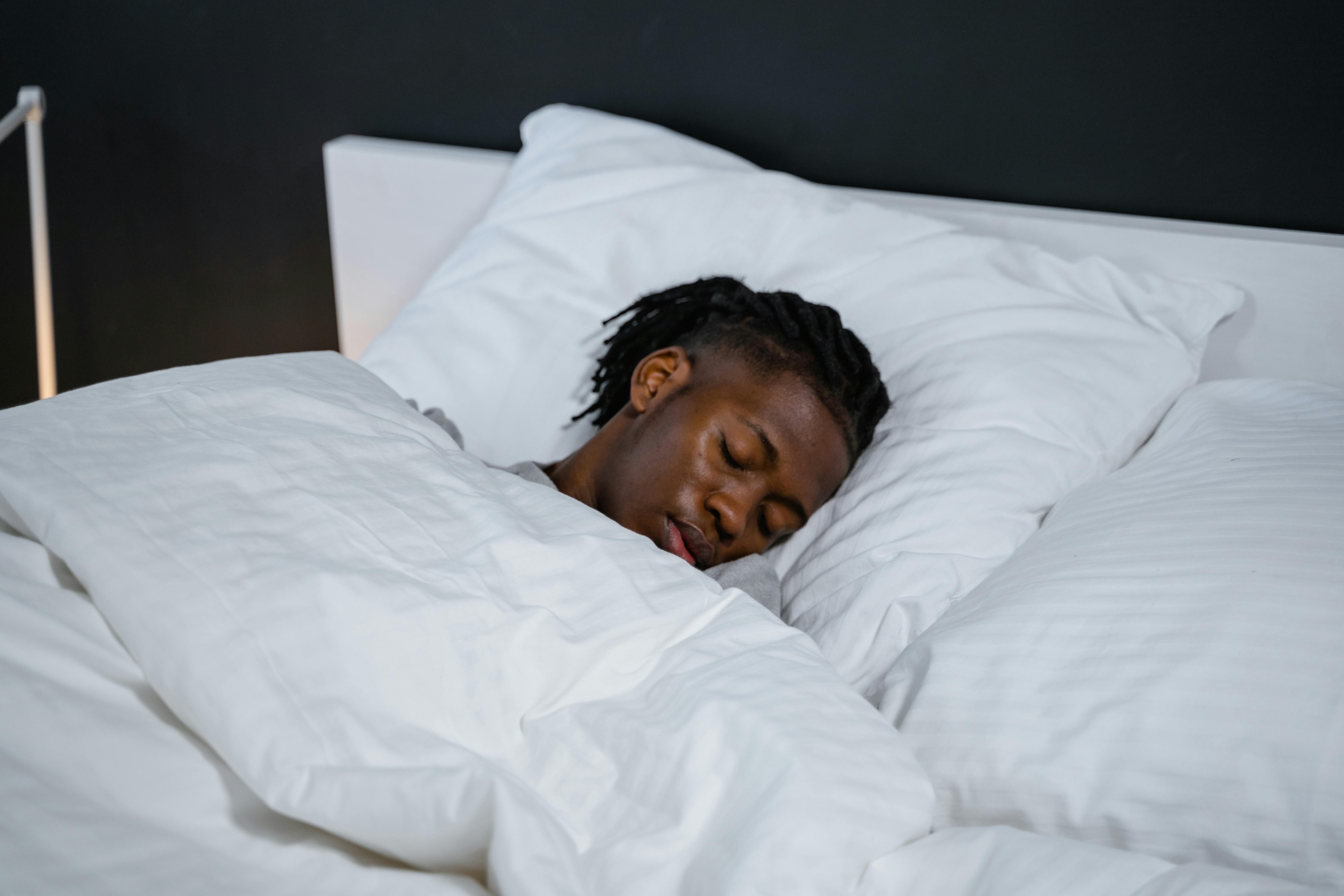
Unlock significant savings and reclaim restful nights by understanding and addressing sleep apnea. Discover evidence-based strategies, compare effective treatment options, and embrace actionable habits to improve your sleep quality and financial well-being in 2026.
Introduction to the Topic
In a world that often glorifies hustle and sacrifices sleep, a silent epidemic continues to impact millions globally: sleep apnea. This chronic condition, characterized by repeated pauses in breathing during sleep, doesn't just leave you feeling tired; it erodes your health, productivity, and, surprisingly, your finances. Many individuals unknowingly bear the hidden costs of untreated sleep apnea, from increased healthcare expenditures for related conditions like hypertension and diabetes to decreased work performance and even higher accident risks. But what if tackling your sleep apnea could not only transform your health but also put money back in your pocket? In 2026, with advancements in understanding and treatment, empowering yourself with knowledge about sleep apnea habits is more crucial than ever. This article will guide you through evidence-based strategies, smart lifestyle choices, and effective wellness product comparisons designed to help you breathe easier, sleep deeper, and live a healthier, wealthier life.
Backgrounds & Facts
Sleep apnea is far more prevalent than many realize. According to the American Academy of Sleep Medicine, an estimated 30 million adults in the U.S. alone suffer from sleep apnea, with a staggering 80% of moderate to severe cases remaining undiagnosed. In India, a rapidly urbanizing nation, studies suggest prevalence rates are catching up, with some estimates indicating over 13% of the adult population in metropolitan areas could be affected. The condition primarily manifests in two forms: Obstructive Sleep Apnea (OSA), where throat muscles relax and block the airway, and Central Sleep Apnea (CSA), where the brain fails to send proper signals to the muscles that control breathing.
The health ramifications of untreated sleep apnea are severe and far-reaching. It significantly increases the risk of high blood pressure, heart attack, stroke, type 2 diabetes, and irregular heartbeats. Beyond these life-threatening conditions, sufferers often experience chronic fatigue, daytime sleepiness, irritability, difficulty concentrating, and impaired immune function. The financial burden is equally substantial. Diagnosis typically involves an overnight sleep study (polysomnography), which can be costly. Ongoing treatment, often with Continuous Positive Airway Pressure (CPAP) therapy, involves equipment purchases, replacement parts (masks, tubing, filters), and electricity costs. Furthermore, the indirect costs – lost productivity, increased absenteeism, and medication for co-morbidities – accumulate rapidly, making sleep apnea a significant drain on personal and national healthcare economies. Understanding these facts is the first step towards taking control and making informed decisions that benefit both your health and your wallet.
Expert Opinion / Analysis
"In 2026, the conversation around sleep apnea has shifted significantly," explains Dr. Anya Sharma, a renowned Sleep Medicine Specialist at the Global Wellness Institute. "We're moving beyond just diagnosing and treating with CPAP to a more holistic, personalized, and preventative approach. Many patients are surprised to learn how much control they have over their condition through lifestyle modifications, which can often complement or even, in mild cases, reduce reliance on traditional therapies."
Dr. Sharma emphasizes the critical importance of early diagnosis. "Waiting to address symptoms like loud snoring, daytime fatigue, or observed breathing pauses can lead to irreversible health complications and escalate treatment costs. A simple home sleep test or an in-clinic polysomnography can be life-changing." She highlights that adherence to any prescribed treatment, whether it's CPAP, an oral appliance, or behavioral changes, is paramount. "The long-term health benefits, including a reduced risk of cardiovascular disease and improved cognitive function, far outweigh the initial investment or inconvenience. Moreover, by actively managing your sleep apnea, you're preventing future, more expensive health crises."
Regarding cost-saving, Dr. Sharma advises, "Patients should explore all options with their sleep specialist. For those with mild to moderate OSA, positional therapy, weight loss, and oral appliance therapy can be incredibly effective and often more cost-efficient in the long run than CPAP, particularly if insurance coverage is limited. Even for CPAP users, understanding proper maintenance and replacement schedules can extend the life of equipment and reduce unnecessary spending. The key is to view your sleep health as an investment, not an expense."
Best Options in Comparison
Optimizing your sleep apnea management isn't just about finding a solution; it's about finding the right, sustainable solution that aligns with your health needs and financial goals. Here, we compare various options, from lifestyle changes to advanced devices, to help you make informed choices that save money and improve sleep quality.
- Option 1: Lifestyle Modifications & Behavioral Therapy
These are often the first line of defense, especially for mild to moderate sleep apnea, and are almost always recommended as complementary strategies for severe cases. They are generally the most cost-effective and can yield significant health benefits beyond just sleep.- Weight Management: Losing even 10-15% of body weight can significantly reduce the severity of OSA, as excess tissue in the neck can narrow the airway. This involves dietary changes and regular exercise, offering enormous health benefits and saving on potential future medical costs for obesity-related illnesses.
- Positional Therapy: Many people experience OSA primarily when sleeping on their back. Devices like special pillows, bumper belts, or even simple tennis balls sewn into the back of pajamas can train you to sleep on your side, opening the airway. This is a very low-cost intervention.
- Avoiding Alcohol and Sedatives: These substances relax throat muscles, exacerbating sleep apnea. Eliminating them before bed is free and improves overall health.
- Nasal Strips/Dilators: For individuals with nasal congestion contributing to their sleep apnea, these over-the-counter aids can improve airflow. They are inexpensive and can be effective for very mild cases or as an adjunct.
- Oral Appliances (Mandibular Advancement Devices - MADs & Tongue Retaining Devices - TRDs): Custom-fitted by a dentist, these devices reposition the jaw or tongue to keep the airway open. While the initial cost can be a few hundred to a couple of thousand dollars, they are often covered by medical insurance and can be a comfortable, effective, and less cumbersome alternative to CPAP for suitable candidates, potentially saving on ongoing CPAP accessory costs.
- Myofunctional Therapy: A series of exercises for the tongue and facial muscles can strengthen the upper airway, reducing collapse. This therapy, often guided by a speech pathologist, can be done at home and can be a long-term solution, potentially reducing the need for other devices.
- Option 2: Technology & Supportive Devices
For moderate to severe sleep apnea, or when lifestyle changes aren't sufficient, technological solutions become necessary. Innovations continue to make these devices more comfortable and efficient.- CPAP Therapy (Continuous Positive Airway Pressure): The gold standard for moderate to severe OSA. Modern CPAP machines are quieter, smaller, and offer features like humidification and auto-adjusting pressure (Auto-CPAP). While the initial machine cost (around $500-$2000) and ongoing accessory costs (masks, tubing, filters – $100-$500 annually) exist, it's often covered by insurance and is highly effective. Travel CPAPs are also available, offering portability.
- BiPAP/APAP Machines: BiPAP (Bilevel Positive Airway Pressure) delivers different pressures for inhalation and exhalation, often used for CSA or when CPAP is poorly tolerated. APAP (Auto-CPAP) automatically adjusts pressure throughout the night. These can be slightly more expensive but offer tailored therapy.
- Smart Beds/Pillows: While not direct treatments for sleep apnea, some smart beds and pillows are designed to detect snoring or changes in breathing and gently adjust position or inflate to encourage a shift, potentially reducing mild airway obstruction. These are an investment (hundreds to thousands of dollars) but can improve sleep quality for those with snoring or very mild apnea.
- Wearable Sleep Trackers: Devices like smartwatches or dedicated sleep trackers can monitor sleep patterns, heart rate, and sometimes blood oxygen levels. While not diagnostic, they can provide insights into sleep quality trends and prompt individuals to seek professional evaluation if concerning patterns emerge. These range from $50-$500.
To provide a clearer picture, here's a comparison table of key options:
| Method/Device | Cost (Initial/Ongoing) | Effectiveness (Mild/Moderate/Severe) | Pros | Cons | Best For |
|---|---|---|---|---|---|
| Lifestyle Changes (Weight Loss, Positional Therapy) | Low/None | High (Mild), Moderate (Moderate), Complementary (Severe) | Zero cost, holistic health benefits, no equipment needed. | Requires discipline, may not be sufficient alone for severe cases. | All individuals, especially mild-moderate OSA; complements all treatments. |
| Oral Appliances (MADs, TRDs) | $500-$2500 (Initial), Low (Ongoing) | High (Mild-Moderate), Limited (Severe) | Comfortable, portable, less intrusive than CPAP, often covered by insurance. | Can cause jaw discomfort, drooling, not suitable for all anatomies. | Mild to moderate OSA, those intolerant to CPAP. |
| CPAP Therapy (Standard, Auto, Travel) | $500-$2000 (Initial), $100-$500/year (Ongoing) | Very High (Moderate-Severe), High (Mild) | Most effective treatment, widely prescribed, covered by most insurance. | Can be uncomfortable (mask), noise, maintenance, portability issues with older models. | Moderate to severe OSA, when other treatments fail. |
| Nasal Strips/Dilators | $10-$30/month (Ongoing) | Low (Mild), Very Limited (Moderate-Severe) | Inexpensive, over-the-counter, non-invasive. | Only addresses nasal obstruction, not effective for throat collapse. | Very mild OSA or snoring, adjunct to other therapies. |
| Myofunctional Therapy | $0-$500 (Initial for guidance), Low (Ongoing) | Moderate (Mild-Moderate), Complementary (Severe) | Non-invasive, strengthens muscles for long-term improvement, can reduce reliance on devices. | Requires consistent daily exercises, results take time. | Mild-moderate OSA, children with OSA, adjunct to other therapies. |
| Smart Pillows/Beds | $200-$5000+ (Initial), Low (Ongoing) | Low (Snoring), Very Limited (Apnea) | Automated adjustments, comfort, sleep tracking integration. | High cost, not a direct treatment for apnea, limited scientific evidence for apnea. | Snoring, very mild positional apnea, those prioritizing sleep comfort and data. |
Outlook & Trends
The landscape of sleep apnea diagnosis and treatment is evolving rapidly in 2026, promising even more accessible, personalized, and cost-effective solutions. One significant trend is the rise of advanced home sleep tests (HSTs). These devices are becoming more sophisticated, user-friendly, and capable of collecting comprehensive data, making diagnosis more convenient and affordable than traditional in-lab polysomnography, especially in regions like India where access to sleep labs might be limited. Telemedicine and digital health platforms are further streamlining the process, allowing for remote consultations, prescription renewals, and even therapy monitoring, reducing travel and clinic visit costs.
Emerging treatments are also on the horizon. Implantable devices, such as hypoglossal nerve stimulators, offer a surgical alternative for select patients who cannot tolerate CPAP. While currently a significant investment, advancements aim to make these less invasive and more widely applicable. Drug therapies targeting specific pathways of sleep apnea are under development, promising a future where a pill might alleviate symptoms for some. Furthermore, AI-driven diagnostics are being explored to predict sleep apnea risk and personalize treatment plans with greater precision, optimizing outcomes and potentially reducing trial-and-error costs. The emphasis is increasingly shifting towards precision medicine, where individual patient characteristics guide the most effective and economical treatment pathway, ensuring that improved sleep quality and financial savings go hand-in-hand.
Conclusion
Sleep apnea is more than just a nuisance; it's a profound health challenge with significant financial implications. However, in 2026, the power to reclaim your health and your wealth is more accessible than ever. By understanding the condition, embracing actionable lifestyle changes, and intelligently comparing the diverse range of available treatments and wellness products, you can significantly mitigate its impact. Whether it's through the discipline of weight management, the convenience of an oral appliance, or the proven efficacy of CPAP therapy, prioritizing your sleep health is a direct investment in your long-term well-being and financial stability. Don't let sleep apnea silently drain your energy and your wallet. Consult with a sleep specialist, explore the options best suited for you, and take proactive steps today to ensure you're not just sleeping, but truly thriving.