
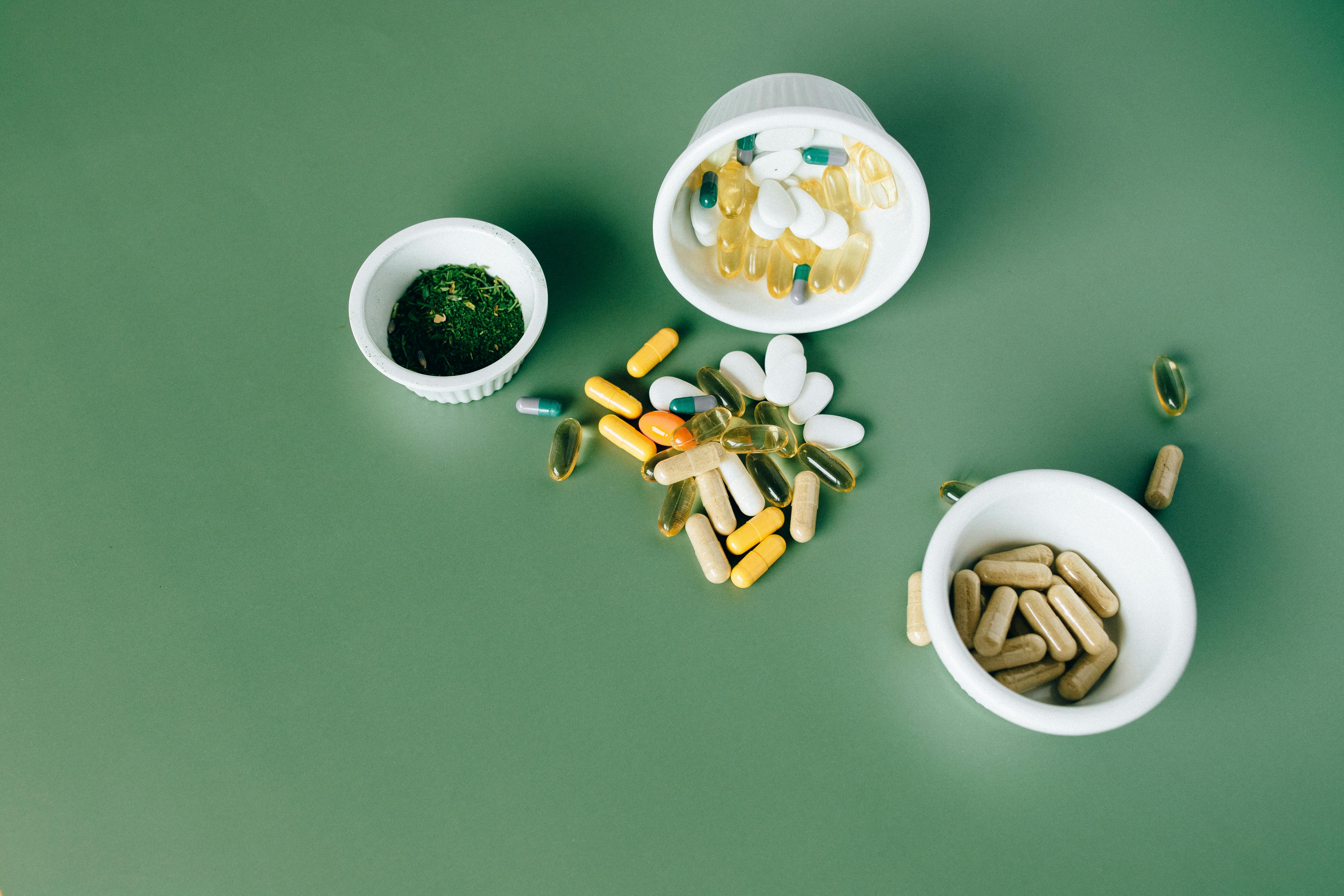
For years, we believed more was always better when it came to probiotics. A gut full of billions of beneficial bacteria seemed like the ultimate health hack. But in 2026, a startling truth is emerging from the depths of our own microbiomes: your daily probiotic dosage might not just be ineffective – it could actually be hurting you. What if the very supplement you trust for better health is creating an invisible imbalance, sabotaging your digestion, mood, and immunity?
What is happening right now (The Trend)
Walk into any health store or scroll through your favorite wellness app in 2026, and you'll be bombarded with probiotic supplements boasting astronomical CFU counts – 50 billion, 100 billion, even 200 billion live cultures per dose. For over a decade, the mantra has been "the more, the merrier." Consumers, eager to optimize their gut health, have flocked to these high-potency options, believing they were supercharging their internal ecosystem.
However, a quiet revolution has been brewing in the scientific community, slowly but surely challenging this long-held assumption. Groundbreaking research, fueled by advanced microbiome mapping technologies and AI-driven data analysis, is revealing a much more nuanced picture. We're learning that the human gut is an incredibly complex, personalized universe, and a "one-size-fits-all" approach, especially with mega-doses, can be akin to throwing a handful of random seeds into a delicate garden – some might thrive, but others could choke out existing beneficial flora, leading to unintended consequences.
The trend we’re witnessing now is a seismic shift from quantity to quality, from broad-spectrum bombardment to precision targeting. Leading gastroenterologists and nutritional scientists are no longer just asking "Are you taking probiotics?" but "Which strains? At what dose? And for what specific reason?" This new era demands a deeper understanding of our individual microbial fingerprint, moving us away from generic solutions towards truly personalized gut wellness.
Why this is important for everyone
Your gut microbiome isn't just about digestion; it's the control center for your entire well-being. It influences your immune system, dictates your mood through the gut-brain axis, helps regulate your weight, and even impacts the health of your skin and the quality of your sleep. When this intricate ecosystem is out of balance – a state known as dysbiosis – the ripple effects can be profound and debilitating.
For years, the perceived risk of probiotics was minimal, limited mostly to mild bloating or gas. But with the advent of more sophisticated diagnostic tools in 2026, we're uncovering a darker side to indiscriminate, high-dose probiotic use. Studies are now linking certain probiotic over-supplementation to a phenomenon called Small Intestinal Bacterial Overgrowth (SIBO), particularly in individuals prone to digestive sluggishness. Imagine introducing billions of bacteria into an environment where they don't belong, or where their growth is unchecked – it can exacerbate bloating, abdominal pain, and even nutrient malabsorption.
Furthermore, an emerging concern is the potential for specific strains, when over-dosed or misapplied, to outcompete other vital gut residents, inadvertently reducing overall microbial diversity. A diverse microbiome is a resilient microbiome. A less diverse one can leave you vulnerable to inflammation, allergies, and a host of chronic conditions. This isn't just about feeling a bit off; it's about protecting the very foundation of your health from an imbalance you might unknowingly be creating.
Currently Trending (Google Discover Signal)
- Personalized Microbiome Mapping: The days of guessing are over. Affordable, at-home microbiome testing kits, often coupled with AI-powered analysis apps, are becoming mainstream. These kits provide a detailed "fingerprint" of your unique gut ecosystem, identifying specific bacterial populations, diversity scores, and potential imbalances. This data is then used to recommend not just a probiotic, but the right probiotic for you, at the optimal dosage.
- The Rise of Postbiotics: Beyond live bacteria, the wellness world is buzzing about postbiotics. These are the beneficial compounds (like short-chain fatty acids, enzymes, and peptides) produced by probiotics during fermentation. They offer many of the same health benefits as live probiotics without introducing new organisms, making them a safer, more stable, and often more targeted option for individuals with sensitive guts or specific health goals. They represent a new frontier in gut health, moving beyond the "live culture" debate.
Best Options in Comparison (VERY IMPORTANT)
Navigating the probiotic landscape in 2026 can feel overwhelming. With new research and products emerging constantly, it's crucial to understand the two main philosophical approaches to probiotic supplementation. Are you still relying on the 'shotgun' method, or are you ready for the 'precision' era?
Option 1: The Broad-Spectrum, High-CFU Approach (The Traditional Method)
This has been the dominant strategy for years. These probiotics contain a wide variety of bacterial strains (often 5-15 different types) and incredibly high colony-forming units (CFUs), ranging from 50 billion to several hundred billion. The idea is to flood the gut with as many "good" bacteria as possible, hoping some will stick and make a difference.
Many people still find general benefits from this approach, especially after antibiotic use or for general digestive support. It's often more accessible and requires less personalized knowledge. However, the emerging science suggests that for some, this broad-stroke method can be inefficient, expensive, and potentially counterproductive if the introduced strains don't align with their existing microbiome needs or worse, contribute to an imbalance.
Option 2: The Personalized, Targeted Approach (The Future of Gut Health)
This is where the cutting edge of gut health lies in 2026. Driven by advances in microbiome testing and bioinformatics, this approach focuses on identifying your specific gut imbalances and then selecting precise probiotic strains, often at lower, more therapeutic CFUs, to address those issues directly. This might involve single-strain formulations or highly specific multi-strain blends validated by clinical research for particular conditions like IBS, mood regulation, or immune support.
The beauty of this method is its efficiency and reduced risk of adverse effects. You're not just adding bacteria; you're adding the right bacteria to perform a specific function. While the initial investment in testing might be higher, the long-term benefits in efficacy and avoiding unnecessary supplementation often make it a more cost-effective and truly impactful strategy.
| Feature | Broad-Spectrum, High-CFU Probiotics | Personalized, Targeted Probiotics |
|---|---|---|
| CFU Count | Typically 50 Billion to 200 Billion+ | Often 1 Billion to 20 Billion (specific to strain/need) |
| Strain Diversity | Numerous strains (5-15+), general mix | Fewer, highly specific strains (1-5), chosen for purpose |
| Targeting | General gut support, "shotgun" approach | Addresses specific imbalances/conditions identified by testing |
| Cost (per month) | Moderate to High ($30-$80) | Moderate to High ($40-$100+), initial test extra ($100-$300) |
| Research Basis | General benefits for gut health, often less specific strain data | Strong clinical evidence for specific strains and conditions |
| Potential Side Effects | Bloating, gas, potential for SIBO exacerbation, reduced diversity | Minimal, typically well-tolerated when correctly matched |
| Recommended For | General wellness, post-antibiotic recovery (short-term) | Chronic digestive issues, specific health goals, long-term optimization |
Conclusion & Outlook
The year 2026 marks a pivotal moment in our understanding of gut health. The era of blindly consuming mega-dose probiotics, hoping for a miracle, is slowly giving way to an age of precision and personalization. The question is no longer "should I take probiotics?" but "which probiotics are right for my unique microbiome, and at what dosage?"
This shift isn't about fear-mongering; it's about empowerment. It's about moving from a reactive approach to a proactive, informed one. Understanding that more isn't always better, and that the wrong dosage or strain can inadvertently create dysbiosis, is a crucial step towards true gut wellness.
Our outlook for the future is one where gut health becomes as personalized as our genetic code. Imagine a world where your annual health check-up includes a microbiome analysis, leading to tailor-made recommendations for probiotics, prebiotics, and even dietary adjustments, all designed to optimize your unique internal ecosystem for peak physical and mental performance. This isn't science fiction; it's the reality rapidly unfolding before us. The key takeaway? Listen to your gut, literally, and arm yourself with the knowledge to make informed, personalized choices. Your microbiome will thank you.