
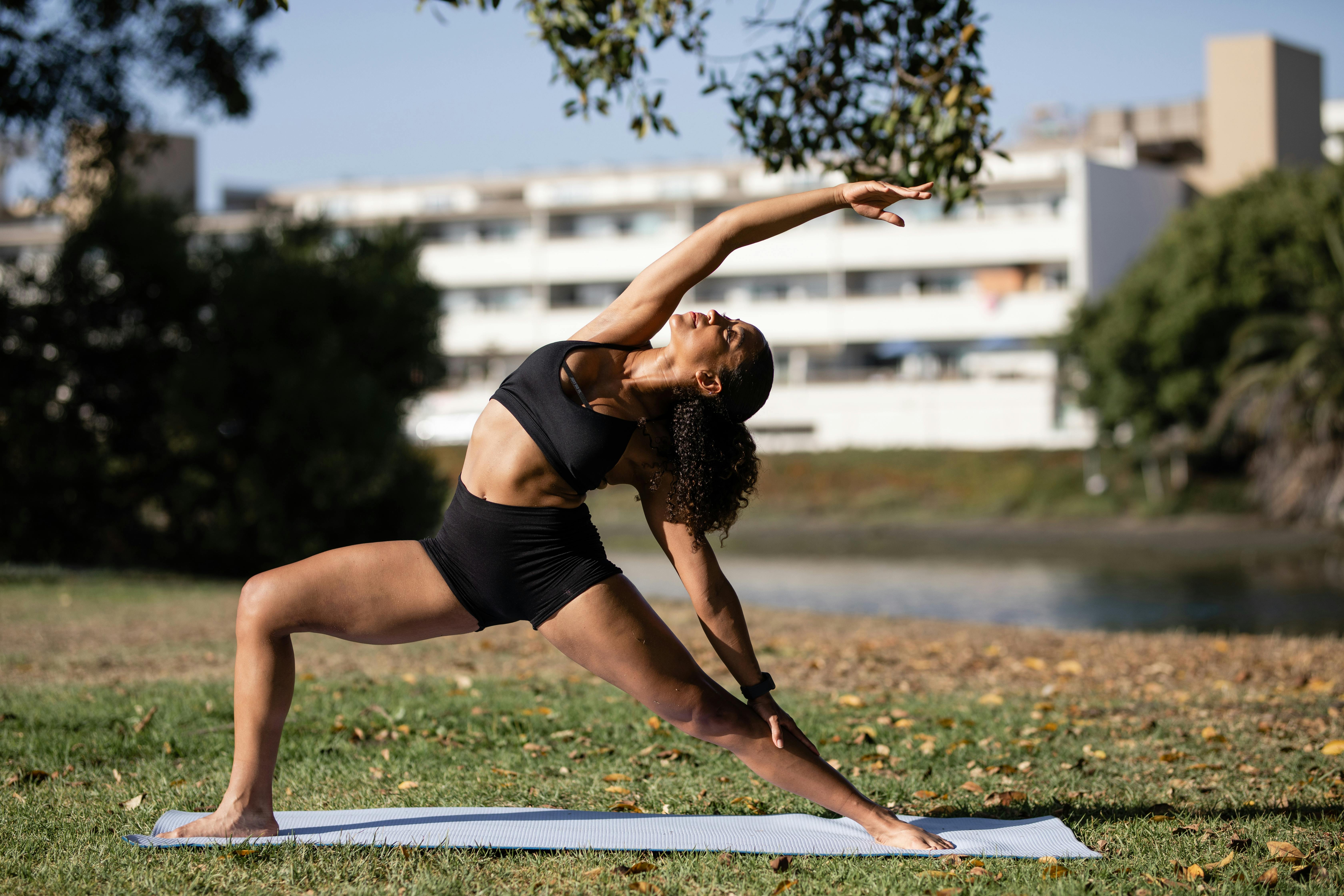
Unlock peak performance and financial well-being with morning yoga. Discover how this ancient practice, backed by modern science, transforms your health, boosts productivity, and enhances decision-making. Explore top options from AI-powered apps to studio classes, and learn to maximize your daily ROI for a healthier, wealthier 2026.
Introduction to the Topic
In the fast-paced world of 2026, where every minute counts and the lines between work and personal life often blur, the concept of "Return on Investment" (ROI) extends far beyond financial portfolios. Increasingly, savvy individuals are applying this principle to their personal well-being, recognizing that investing in health is the ultimate strategy for long-term prosperity. Among the myriad wellness practices vying for our attention, one stands out for its profound, multi-faceted impact: morning yoga. It’s not just about stretching; it’s a strategic daily deposit into your physical, mental, and even financial bank account.
Imagine starting your day not with a frantic dash, but with intention, clarity, and calm. This isn't a luxury; it's a foundational practice that primes your body and mind for optimal performance. For readers of "Being Healthiest" in both the bustling metropolises of the USA and the vibrant cities of India, the promise of enhanced productivity, reduced stress, and sharpened focus is universally appealing. This article will delve into how a consistent morning yoga practice serves as your daily ROI, offering tangible benefits that ripple through every aspect of your life, from your energy levels to your earning potential. We’ll explore the science, weigh the best modern options, and equip you with actionable insights to transform your mornings and, by extension, your future.
Backgrounds & Facts
The practice of yoga, originating in ancient India thousands of years ago, has evolved from a spiritual discipline into a globally embraced wellness phenomenon. While its roots are deeply philosophical, modern science has rigorously validated many of its physiological and psychological benefits, particularly when practiced consistently in the morning.
One of the most immediate and impactful benefits of morning yoga is its profound effect on the stress response. A 2024 meta-analysis published in the journal Stress & Health confirmed that regular yoga practice significantly reduces cortisol levels, the primary stress hormone. By activating the parasympathetic nervous system, morning yoga helps shift the body from a "fight or flight" state to "rest and digest," setting a calm and centered tone for the entire day. This physiological reset is crucial for maintaining emotional equilibrium, improving resilience against daily stressors, and preventing burnout – a common ailment in today's demanding work environments.
Beyond stress reduction, morning yoga is a powerful tool for cognitive enhancement. Studies from institutions like Harvard Medical School have shown that yoga improves concentration, memory, and cognitive flexibility. The breathwork (pranayama) inherent in yoga increases oxygen flow to the brain, while the mindful movement cultivates present-moment awareness, translating directly into improved focus and decision-making capabilities. For professionals, this means sharper analytical skills, enhanced creativity, and better problem-solving, all directly contributing to professional success and, consequently, financial gain.
Physically, the benefits are equally compelling. A consistent morning routine builds strength, flexibility, and balance, reducing the risk of injuries and chronic pain. For individuals spending hours at desks, poses like Cobra, Cat-Cow, and Warrior II counteract the negative effects of prolonged sitting, improving posture and alleviating back pain – a leading cause of missed workdays. Furthermore, better physical health translates to fewer healthcare expenditures over time, representing a direct financial saving and a significant long-term ROI. Improved sleep quality is another documented benefit; while evening yoga is often prescribed for sleep, a morning practice can regulate circadian rhythms, leading to more restorative sleep cycles and greater daytime energy.
The mental health landscape in 2026 also underscores yoga's importance. With rising rates of anxiety and depression globally, interventions that are accessible and holistic are paramount. Yoga has been shown to boost levels of mood-enhancing neurotransmitters like serotonin and GABA. Starting the day with this positive chemical cascade can significantly improve mood, foster optimism, and enhance emotional regulation, creating a more positive outlook on life and work. This mental fortitude is invaluable for navigating financial challenges, making sound investments, and maintaining a proactive approach to wealth building.
In essence, morning yoga isn't just a wellness trend; it's an evidence-based strategy for optimizing human performance. It’s a daily investment of 15-60 minutes that yields returns in the form of reduced healthcare costs, increased productivity, improved decision-making, and a more resilient, joyful existence. For those seeking to be "Being Healthiest," it represents a cornerstone practice.
Expert Opinion / Analysis
"In 2026, the smart money isn't just in stocks and bonds; it's in your nervous system," explains Dr. Anya Sharma, a leading neuroscientist and wellness consultant specializing in peak performance. "A morning yoga practice is perhaps the most undervalued asset in a high-performer's daily routine. It's a bio-hack for success."
Dr. Sharma emphasizes that the modern world constantly demands our attention, pulling us into a reactive state. "When you wake up and immediately dive into emails or news, you're starting your day in a state of reaction. Morning yoga, however, allows you to proactively set your internal state. You're consciously choosing calm, focus, and strength, rather than letting the external world dictate your emotional and mental landscape."
From an ROI perspective, the analysis is clear. Consider the time investment: even 20-30 minutes of intentional yoga. What are the returns?
- Enhanced Productivity: A focused mind is a productive mind. By reducing mental clutter and improving concentration, individuals can accomplish more in less time, leading to greater output and career advancement. This directly translates to increased earning potential and job satisfaction.
- Reduced Healthcare Costs: Preventing stress-related illnesses, improving physical health, and boosting immunity means fewer doctor visits, less medication, and lower insurance premiums over a lifetime. This is a tangible financial saving.
- Sharpened Financial Acumen: Stress and mental fatigue impair judgment. A clear, calm mind is better equipped to analyze complex financial data, make rational investment decisions, and avoid impulsive financial mistakes. This protects and grows wealth.
- Longevity and Quality of Life: The ultimate wealth is health. By extending healthy years and improving the quality of those years, morning yoga contributes to a richer, more fulfilling life where one can enjoy the fruits of their labor for longer. This is an invaluable, long-term ROI.
- Improved Relationships: A calmer, more centered individual is often a better colleague, partner, and parent. Stronger relationships contribute to overall well-being and can indirectly support career stability and opportunities.
"It's a compounding effect," adds Dr. Sharma. "Each morning you invest in yourself through yoga, you're not just getting a day's worth of benefits; you're building resilience, cognitive capacity, and physical vitality that compounds over weeks, months, and years. The ROI isn't linear; it's exponential." The consistency of a morning routine is key here. It transforms from an activity into a habit, and then into a lifestyle, where the benefits become deeply integrated into one's being.
Best Options in Comparison (VERY IMPORTANT)
In 2026, the landscape for engaging with morning yoga is more diverse and accessible than ever before. Choosing the "best" option depends on individual preferences, budget, and lifestyle. Here, we compare the leading alternatives, integrating wellness product categories and actionable advice.
-
Option 1: AI-Powered Online Yoga Apps & Smart Mats
Description: This category represents the cutting edge of personalized wellness. Apps like "InnerFlow AI" or "Zenith Yoga" leverage artificial intelligence to create dynamic, personalized yoga sequences based on your skill level, goals (e.g., stress reduction, flexibility, strength), and even real-time biofeedback from wearable devices. Many are paired with smart yoga mats (e.g., "Aura Mat X" or "SenseFlow Yoga Mat") that offer real-time posture correction, heat therapy, and haptic feedback to guide your practice. They often include integrated meditation modules and progress tracking.
Pros: Unparalleled personalization, convenience (practice anywhere, anytime), vast library of styles and durations, real-time feedback for improved form, often more affordable than studio memberships in the long run, privacy. Ideal for busy professionals and those who prefer self-directed learning with intelligent guidance.
Cons: Requires initial investment in subscription and potentially smart hardware, lacks the human connection of an in-person class, relies on self-discipline, potential for screen fatigue (though many prioritize audio guidance).
Wellness Product Integration: Premium subscriptions to AI yoga platforms, smart yoga mats with biofeedback and posture correction, high-quality wireless headphones for immersive audio, yoga blocks and straps designed for ergonomic support.
-
Option 2: In-Person Studio Classes (Morning Sessions)
Description: The traditional approach, offering direct instruction from certified teachers in a dedicated space. Many studios now offer early morning classes tailored for commuters and pre-work routines. Styles range from Vinyasa and Hatha to Ashtanga and Kundalini, catering to different energy levels and goals.
Pros: Expert, hands-on adjustments and personalized feedback from instructors, strong sense of community and accountability, dedicated space free from home distractions, opportunity to learn advanced techniques safely, often includes workshops for deeper exploration.
Cons: Higher cost (monthly memberships or drop-in fees), fixed schedules requiring adherence, travel time to and from the studio, less flexibility than online options, potential for crowded classes.
Wellness Product Integration: High-quality, durable yoga mats (e.g., natural rubber or eco-friendly materials), studio-grade yoga props (blocks, bolsters, straps), comfortable and breathable activewear designed for yoga, specialized yoga bags for transport.
-
Option 3: Hybrid Models & Self-Practice with Online Resources
Description: This flexible option combines the best of both worlds or leverages free/low-cost online resources for self-guided practice. Many studios now offer hybrid memberships, allowing access to both in-person and live-streamed classes. Self-practice involves utilizing free YouTube channels, public library resources, or pre-recorded online courses without real-time AI interaction.
Pros: Maximum flexibility, cost-effective (especially with free resources), ability to explore various teachers and styles without commitment, can be integrated into existing home routines easily. Hybrid models offer community and expert guidance when desired, with the flexibility of home practice.
Cons: Requires high self-discipline and motivation, no personalized feedback on form (for pure self-practice), potential for injury if practicing incorrectly, can be isolating without a community aspect.
Wellness Product Integration: Standard yoga mats, basic yoga props (blocks, straps), access to a reliable internet connection and a device for streaming, comfortable and functional yoga attire, yoga journals for tracking progress and intentions.
Morning Yoga Options Comparison Table
| Feature | AI-Powered Online Apps & Smart Mats | In-Person Studio Classes | Hybrid & Self-Practice with Online Resources |
|---|---|---|---|
| Cost (Annual Avg.) | $100-$500 (App + optional mat) | $600-$2000+ (Membership) | $0-$300 (Free resources to paid courses) |
| Flexibility & Convenience | Highest; 24/7 access, practice anywhere | Lowest; fixed schedules, travel required | High; flexible scheduling, home practice |
| Personalization | Excellent; AI-driven, goal-oriented, biofeedback | Good; instructor can offer modifications | Moderate; user selects content, self-adjusts |
| Community & Accountability | Moderate; online forums, virtual challenges | Highest; in-person interaction, shared experience | Low to Moderate; depends on hybrid model or personal initiative |
| Form & Feedback | Excellent; real-time AI/haptic feedback | Excellent; direct instructor adjustments | Lowest; self-correction, relies on visual cues |
| Suitability (Beginner) | Excellent (with guidance) | Excellent (with good instructor) | Good (requires discipline) |
Outlook & Trends
The future of morning yoga, and wellness in general, is heading towards even greater integration with technology, personalization, and a holistic understanding of health as wealth. By 2026 and beyond, we anticipate several key trends:
- Hyper-Personalization via AI & Biometrics: Beyond current smart mats, future yoga platforms will integrate seamlessly with advanced wearables and even smart home environments. Imagine your mat adjusting its firmness based on your real-time muscle tension, or your yoga sequence dynamically changing based on your sleep quality data from the previous night, your stress levels detected by a smart ring, or even your mood identified by facial recognition (with user consent, of course). This hyper-personalized approach will maximize the ROI for each individual, ensuring every session is precisely what your body and mind need.
- Gamification and Immersive Experiences: To boost motivation and consistency, gamified elements will become more prevalent. Think virtual reality (VR) yoga studios where you can practice on a serene beach or a mountain peak, complete with haptic feedback gloves that simulate hands-on adjustments. Challenges, rewards, and social leaderboards will make morning yoga an engaging and fun part of the daily routine, especially appealing to younger generations and those needing an extra push for consistency.
- Corporate Wellness Integration: Forward-thinking companies are increasingly recognizing the link between employee well-being and productivity. Morning yoga programs, both virtual and in-person, will become standard offerings in corporate wellness packages. Dedicated "zen zones" in offices or subsidized memberships to top-tier online platforms will be commonplace, reflecting a systemic understanding of health as a fundamental driver of organizational wealth.
- Focus on Mental & Emotional Resilience: While physical benefits remain crucial, the emphasis will continue to shift towards yoga's profound impact on mental and emotional well-being. Specialized morning sequences designed to combat digital fatigue, enhance emotional regulation, or boost creative thinking will emerge, catering to the specific psychological demands of the modern workforce.
- Global Accessibility & Hybrid Models: The pandemic accelerated the adoption of online wellness. This trend will solidify into sophisticated hybrid models, allowing individuals to seamlessly transition between in-person community classes and highly personalized home practices. This flexibility ensures that morning yoga remains accessible regardless of geographical location or lifestyle constraints, truly making it a global daily ROI strategy.
These trends suggest that morning yoga is not just here to stay, but will evolve into an even more powerful and integrated tool for enhancing health, wealth, and overall human flourishing in the coming years. The investment made today will undoubtedly yield compounding returns tomorrow.
Conclusion
In a world increasingly focused on optimizing every aspect of our lives, morning yoga stands out as a singularly powerful, yet elegantly simple, daily investment. It's not merely a physical exercise; it's a holistic practice that systematically cultivates mental clarity, emotional resilience, and physical vitality – the foundational pillars of both personal well-being and financial success. By dedicating a mere fraction of your morning to this ancient discipline, you are making a profound deposit into your own human capital, yielding returns that far exceed the initial outlay.
From the scientifically validated reduction in stress hormones and enhanced cognitive function to improved physical health and sharper financial decision-making, the ROI of morning yoga is undeniable. Whether you embrace the cutting-edge personalization of AI-powered apps and smart mats, the community and expert guidance of a studio, or the flexibility of a hybrid model, the most crucial step is to begin. In 2026, being "Being Healthiest" isn't just a goal; it's a strategic imperative. Make morning yoga your non-negotiable daily appointment with health and wealth, and watch as your life transforms, one mindful breath at a time. The investment is small, but the dividends are truly limitless. Namaste.