
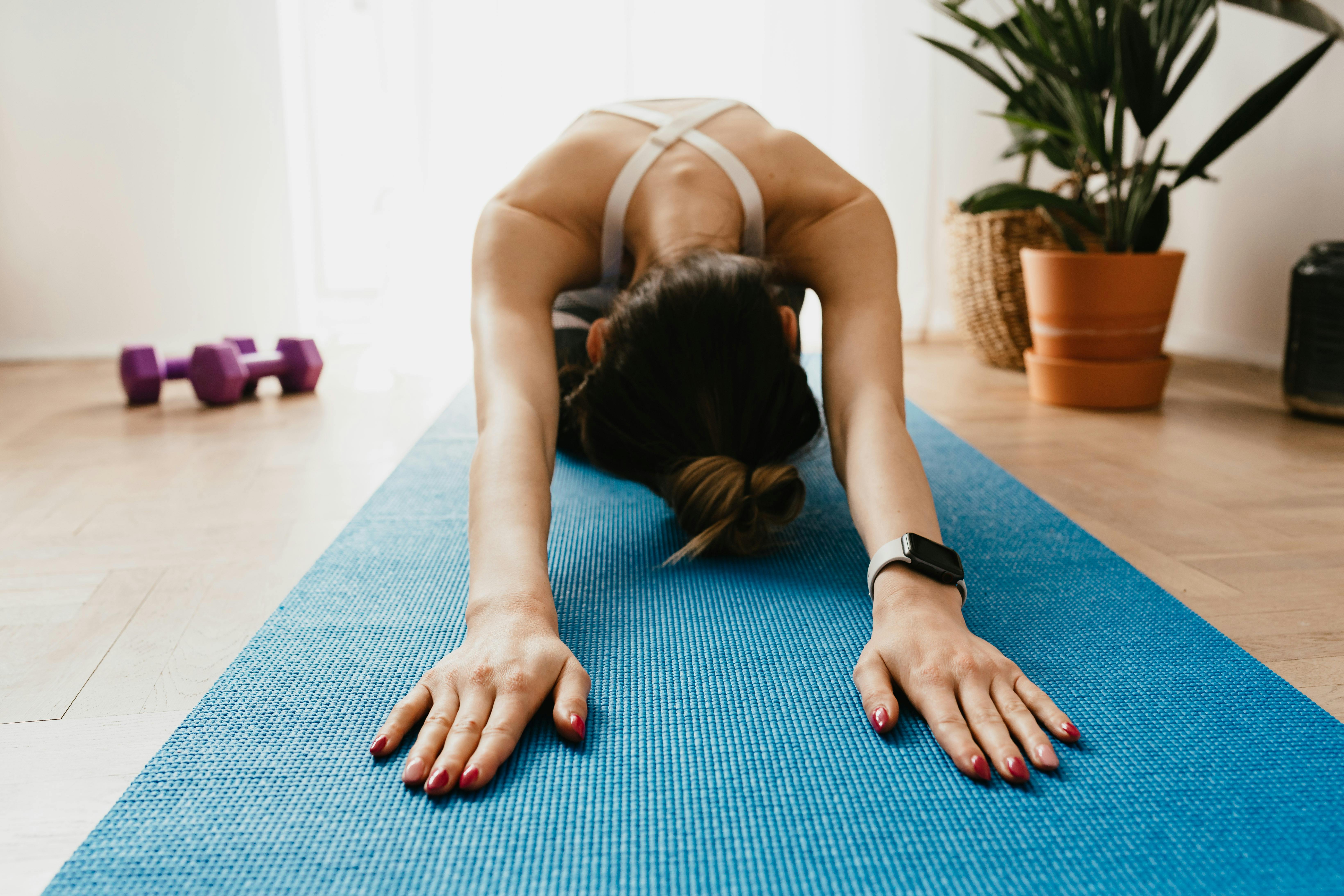
Ever wondered why those serene yoga poses look effortless on Instagram, but your own Downward Dog feels like a wrestling match with gravity and an uncooperative mat? You're not alone. What if the secret to unlocking your yoga potential isn't about flexibility, but a surprising truth hiding in plain sight, right beneath your fingertips?
What is happening right now (The Trend)
In 2026, yoga isn't just a fitness trend; it's a global phenomenon, a vital pillar of wellness embraced by millions across the USA, India, and beyond. From bustling city studios to tranquil home practice spaces, the pursuit of mindfulness, strength, and flexibility has never been more widespread. Yet, amidst this beautiful surge, a quiet crisis is unfolding, especially for beginners. We're seeing an alarming rate of early dropouts, not because of a lack of desire, but due to a pervasive feeling of inadequacy and frustration.
The digital age, while connecting us, also paints an often-unrealistic picture. Scroll through social media, and you're bombarded with images of perfectly poised yogis, seemingly floating through advanced inversions on pristine, often minimalist, mats. This "Instagram vs. Reality" chasm creates an immediate hurdle for newcomers. They step onto their first mat, perhaps a budget-friendly option, expecting instant grace, only to find themselves slipping, sliding, and struggling just to hold a basic pose like Tadasana (Mountain Pose) without wobbling. Their wrists ache in Plank, their knees protest in Child's Pose, and their feet refuse to grip in Warrior II. The initial excitement quickly gives way to self-doubt: "Is yoga just not for me?"
This isn't a personal failing. It’s a systemic oversight in how we approach beginner yoga. The market is saturated with equipment, from mats of every conceivable material and thickness to an array of blocks, straps, bolsters, and wheels. For a novice, this overwhelming choice is paralyzing. They often default to the cheapest, most accessible option, unaware that this seemingly minor decision can profoundly impact their entire yoga journey. The trend we're witnessing is a growing awareness among seasoned practitioners and instructors: the right foundational equipment isn't a luxury; it's a necessity for safe, effective, and enjoyable progress, especially when those first few poses feel utterly impossible.
Why this is important for everyone
The impact of unsuitable yoga equipment extends far beyond mere discomfort; it directly affects your safety, confidence, and long-term commitment to a practice that could otherwise transform your life. Imagine attempting a foundational pose like Downward-Facing Dog on a mat that offers zero grip. Your hands slide forward, your wrists take undue pressure, and your spine rounds. Not only does this make the pose feel incredibly difficult, but it also puts you at a significant risk of injury – from strained wrists and shoulders to lower back pain. This isn't just about feeling awkward; it's about protecting your body's delicate joints and ligaments.
For beginners, the psychological toll is equally significant. When every pose feels like an uphill battle, when you constantly feel unstable or on the verge of slipping, it erodes confidence. That initial spark of curiosity and desire for wellness can quickly be extinguished by frustration and the feeling of failure. Many beginners mistakenly attribute their struggles to a lack of flexibility or strength, when in reality, the culprit might be a thin, unsupportive mat or the absence of a simple block to aid alignment.
Investing in appropriate equipment from the start isn't an indulgence; it's an investment in your physical well-being, mental resilience, and the longevity of your yoga practice. It means the difference between a painful, discouraging experience and one that is empowering, safe, and truly beneficial. Correct equipment facilitates proper alignment, provides crucial support, and allows you to explore poses without fear of injury. It transforms those "impossible" poses into achievable challenges, fostering a sense of accomplishment and encouraging consistent practice. This accessibility is vital for everyone, ensuring that yoga's profound benefits – stress reduction, improved flexibility, enhanced strength, and mental clarity – are truly within reach, regardless of your starting point.
Currently Trending (Google Discover Signal)
- Smart Yoga Tech & AI-Powered Alignment: The rise of intelligent yoga mats and wearables that provide real-time feedback on pose alignment, pressure distribution, and even breath patterns. These innovations, often integrated with companion apps, are revolutionizing how beginners learn and refine their practice, acting as a virtual instructor in your living room. From pressure sensors that highlight uneven weight distribution to AI models that correct posture based on camera input, technology is making precise alignment accessible to all.
- Eco-Conscious & Sustainable Yoga Gear: As global environmental awareness intensifies, the demand for yoga equipment made from sustainable, recycled, or ethically sourced materials is skyrocketing. Brands are responding with mats made from natural rubber, cork, jute, or recycled plastics, alongside props crafted from bamboo or organic cotton. This trend isn't just about aesthetics; it reflects a deeper commitment within the yoga community to align their practice with planetary well-being, choosing products that minimize environmental impact and support fair labor practices.
Best Options in Comparison (VERY IMPORTANT)
Navigating the sea of yoga equipment can be daunting, but for beginners, focusing on two key categories can make all the difference. These aren't just accessories; they are foundational tools that can transform your early yoga experience from frustrating to fulfilling.
- Option 1: The High-Grip, Cushioned Yoga Mat (The Game Changer)
Forget the thin, slippery mats that come free with gym memberships. A high-quality mat is your primary interface with the earth, and its properties are paramount. For beginners, a mat with superior grip (often natural rubber or a high-performance PVC blend) is crucial to prevent slipping, especially as your hands and feet get sweaty. Equally important is adequate cushioning – typically 4mm to 6mm thick. This provides vital support for your joints (wrists, knees, hips) during poses like Plank, kneeling postures, and even Savasana, making your practice significantly more comfortable and safer. A good mat instills confidence, allowing you to focus on your breath and alignment rather than battling instability. Brands like Manduka, Lululemon, and Gaiam (for specific lines) are popular, but the key is the material and thickness.
- Option 2: Essential Yoga Props (Blocks & Straps – Your Silent Guides)
Often overlooked by beginners who mistakenly believe props are for "less capable" yogis, blocks and straps are indispensable tools for making poses accessible and improving alignment. Yoga blocks (usually foam, cork, or wood) reduce the distance to the floor, allowing you to maintain proper form in poses like Triangle Pose or Half Moon, even if your flexibility isn't quite there yet. They support your spine in seated poses and provide stability in standing balances. A yoga strap (cotton or nylon) extends your reach, helping you grasp your foot in seated forward folds or deepen shoulder stretches without straining. Using props isn't a crutch; it's a smart, safe way to meet your body where it is, gradually increasing flexibility and strength without compromising form or risking injury. They act as extensions of your body, bridging the gap between your current physical capabilities and the ideal expression of a pose.
To help you visualize the benefits, here's a comparison:
| Feature | High-Grip, Cushioned Mat | Yoga Blocks & Straps |
|---|---|---|
| Primary Benefit for Beginners | Prevents slipping, cushions joints, builds confidence, enhances stability. | Makes poses accessible, improves alignment, extends reach, reduces strain, prevents injury. |
| Typical Material | Natural Rubber, PVC (performance grade), TPE, Cork | Foam, Cork, Wood (for blocks); Cotton, Nylon (for straps) |
| Key Feature | Superior wet/dry grip, 4-6mm thickness, often reversible. | Varying heights (blocks), adjustable length (straps), sturdy construction. |
| Approx. Cost Range (USD) | $60 - $150+ | $15 - $50 (for a set of 2 blocks & 1 strap) |
| Durability | High-quality mats last for years with proper care. | Very durable, lasts many years. |
| Best For | All styles, especially dynamic flows and anyone with sensitive joints. | Restorative, Hatha, Vinyasa, Yin – essential for alignment in all styles. |
Conclusion & Outlook
The journey into yoga is a deeply personal and incredibly rewarding one, a path to greater physical health and profound inner peace. Yet, for too long, the initial hurdles of "impossible" poses have deterred countless aspiring yogis, often due to a simple, yet overlooked factor: their equipment. It's time we debunked the myth that struggles in beginner yoga are solely a reflection of one's physical limitations.
The truth, as we've explored, is that the right tools are not a crutch but a catalyst. A high-grip, adequately cushioned mat transforms instability into stability, discomfort into support. Yoga blocks and straps act as extensions of your own body, making challenging poses accessible and ensuring proper alignment, thus preventing injury and fostering a sense of achievement rather than frustration. These aren't just purchases; they are investments in a sustainable, joyful, and injury-free yoga practice.
As we look to the future, the yoga world is evolving rapidly. We're seeing exciting innovations in smart tech that promises personalized guidance, and a growing commitment to eco-friendly materials that align with yoga's holistic philosophy. These trends will only further democratize access to yoga, making it more intuitive and sustainable for everyone. But even with cutting-edge technology, the fundamental principle remains: your equipment should empower you, not impede you.
So, if you've ever felt disheartened by your yoga practice, if those beginner poses have left you feeling defeated, take heart. Re-evaluate your gear. Understand that your body, exactly as it is today, is perfect for yoga. It just needs the right support. Embrace the tools that will elevate your practice, protect your body, and ignite your passion. The impossible can become possible, one well-supported pose at a time. Your journey to a stronger, more peaceful self awaits, unburdened by unsuitable equipment.