
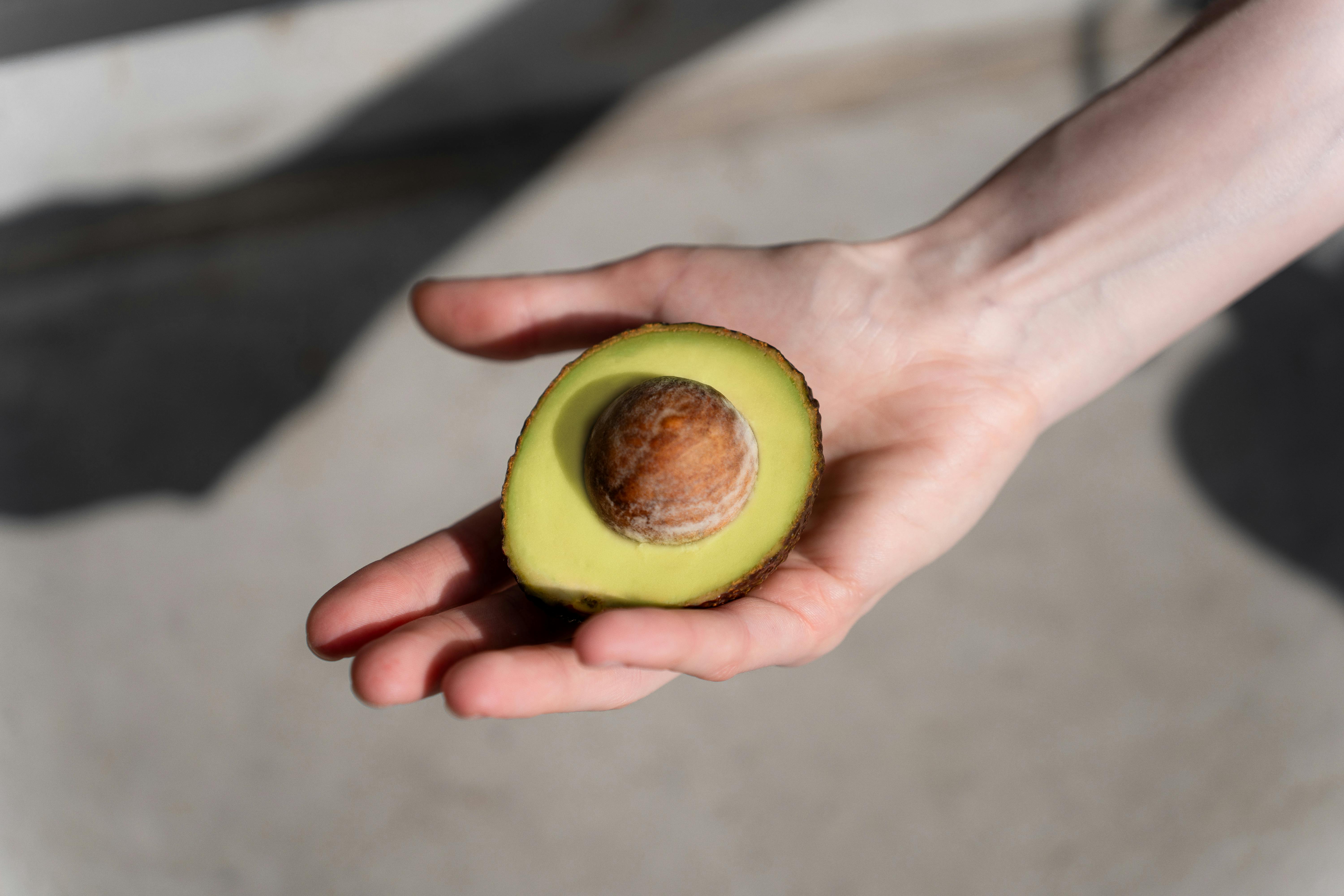
Unmasking Superfood 2026 myths: Discover how savvy consumers can ditch costly trends and save cash while maximizing health benefits. This guide provides evidence-based insights, expert analysis, and actionable comparisons to navigate the wellness market, focusing on reliable nutrition for prevention and optimal well-being.
💰 Secure Top Deal: Go straight to the offer →
📍 More from this category: Nutrition & Diet – All Articles
Introduction to the Topic
Best Supplements 2026: Expert-Reviewed Guide →
The year is 2026, and the "superfood" industry continues its relentless march, a vibrant, often bewildering landscape of exotic berries, ancient grains, and miraculous powders promising everything from eternal youth to bulletproof immunity. Every other month, a new ingredient emerges from the depths of the Amazon or the peaks of the Himalayas, heralded as the ultimate panacea. Magazines, social media influencers, and wellness brands aggressively promote these "next big things," often with price tags that reflect their perceived exclusivity more than their actual nutritional superiority. For the health-conscious consumer, navigating this highly commercialized terrain has become a daunting task, fraught with the risk of spending a fortune on hype rather than genuine health benefits.
At "Being Healthiest," we believe that true wellness should be accessible, sustainable, and rooted in science, not marketing fads. Our mission is to empower you with the knowledge to discern fact from fiction, to make informed choices that nourish your body and your wallet. This article will peel back the layers of superfood mythology prevalent in 2026, expose the common misconceptions, and guide you towards economical, equally effective alternatives. It’s time to ditch the pricey hype, save your hard-earned cash, and reclaim your health journey with evidence-based wisdom.
Backgrounds & Facts
The term "superfood" itself is a marketing construct, devoid of a scientific or regulatory definition. It typically refers to foods perceived to be nutritionally dense and beneficial for health, often due to high concentrations of vitamins, minerals, antioxidants, or phytochemicals. Historically, foods like blueberries, kale, and salmon were among the first to be popularly labeled as superfoods due to robust scientific backing. However, as the wellness industry exploded, the definition expanded to include more exotic and often less-researched ingredients like acai, goji berries, spirulina, and various adaptogenic mushrooms.
The appeal of superfoods is undeniable. In our fast-paced lives, the promise of a single food that can deliver a concentrated dose of health benefits is incredibly attractive. This allure is amplified by compelling personal testimonials, visually stunning social media campaigns, and often, a sense of exclusivity associated with rare or imported ingredients. However, the scientific reality is often far more nuanced. While many "superfoods" do possess beneficial compounds, their health impact is frequently exaggerated, and their unique properties are often found in more common, affordable counterparts.
For instance, while acai berries are rich in antioxidants, so are blueberries, pomegranates, and even common grapes. Chia seeds offer omega-3 fatty acids and fiber, but flax seeds, walnuts, and even hemp seeds provide similar benefits at a fraction of the cost. The global supply chain for many exotic superfoods also raises questions about environmental sustainability, ethical sourcing, and the carbon footprint associated with their transport from distant lands. Moreover, the processing of these foods into powders, supplements, and extracts can sometimes diminish their nutritional value or introduce contaminants, further complicating the consumer's quest for genuine health.
In both the USA and India, the superfood trend has taken firm root. In the US, the market for wellness products, including superfood supplements and specialty foods, continues to grow exponentially. In India, there's a fascinating blend of embracing global superfood trends while also rediscovering the immense nutritional power of traditional Ayurvedic ingredients and local produce. This duality presents an opportunity to highlight the inherent value of indigenous, affordable options that have been nourishing populations for centuries, often overlooked in favor of foreign imports.
Expert Opinion / Analysis
"The biggest myth surrounding superfoods in 2026 is that you need to spend a premium to achieve optimal health," states Dr. Anjali Sharma, a renowned dietitian and public health advocate based in Bengaluru. "My clients, whether in Mumbai or New York, often come to me feeling overwhelmed by the sheer volume of 'must-have' superfoods. They're convinced that if they're not consuming the latest exotic berry or a specific mushroom extract, they're missing out on vital nutrients. This simply isn't true."
Nutritionists universally emphasize the concept of nutrient synergy – the idea that nutrients work best in concert with each other, within the complex matrix of whole foods. Focusing on a single "super" ingredient can lead to a narrow, imbalanced diet. "A colorful plate, rich in a variety of fruits, vegetables, whole grains, and lean proteins, provides a far broader spectrum of vitamins, minerals, fiber, and antioxidants than any single superfood ever could," explains Sarah Jenkins, a registered dietitian in Seattle. "It's the diversity and consistency of a balanced diet that truly prevents chronic diseases like type 2 diabetes, heart disease, and certain cancers, not a sprinkle of spirulina in your smoothie."
The psychological aspect plays a significant role in the superfood phenomenon. The allure of a quick fix, the promise of enhanced vitality with minimal effort, is powerful. "Marketers tap into our desires for convenience and our anxieties about health," adds Dr. Sharma. "They create a narrative where health is something you buy, rather than something you cultivate through consistent, mindful choices. This can lead to a 'fear of missing out' (FOMO) on perceived health benefits, driving consumers to spend unnecessarily."
Experts also caution against the potential for superfood supplements to overshadow the importance of foundational dietary habits. While some supplements can be beneficial in addressing specific deficiencies, they should never replace a wholesome diet. "Before reaching for an expensive superfood powder, assess your overall eating patterns," advises Jenkins. "Are you getting enough fiber from whole grains, legumes, fruits, and vegetables? Are you consuming adequate protein? Are you hydrating sufficiently? These fundamental questions often reveal much simpler, more effective, and far cheaper solutions than any trendy superfood."
The consensus among leading health professionals is clear: invest in a diverse, whole-food diet first. Prioritize local, seasonal produce. Understand that the vibrant colors in your everyday fruits and vegetables are indicators of powerful antioxidants and phytonutrients. These accessible options offer the same, if not superior, health benefits without the exorbitant price tag or the environmental impact of imported novelties.
💰 Best Options in Comparison
It's time to put our money where our health is – wisely. The key to smart nutrition in 2026 is understanding that nature has already provided powerful, affordable "superfoods" that often outperform their expensive, hyped counterparts. Here, we compare some common pricey superfood trends with readily available, budget-friendly alternatives that deliver comparable or even superior nutritional punch.
Option 1: Exotic Berries vs. Local Powerhouses
- Pricey Hype: Goji Berries
Often imported and sold at a premium, Goji berries are touted for their high antioxidant content, particularly zeaxanthin, and modest vitamin C. While beneficial, their cost per serving is significantly higher than many local options. A 100g pack can cost upwards of $10-$15 USD or ₹800-₹1200 INR.
- Affordable & Effective Alternative: Amla (Indian Gooseberry) / Blueberries / Pomegranates
Amla, a staple in Indian traditional medicine, is an absolute powerhouse of Vitamin C – often cited as having one of the highest concentrations among fruits. It's also rich in antioxidants. Blueberries, especially when in season or frozen, offer comparable antioxidant profiles to Goji berries, including anthocyanins, and are widely available. Pomegranates, another ancient fruit, are bursting with potent antioxidants. These alternatives offer superior nutritional value for a fraction of the cost. Amla is incredibly cheap and widely available in India (₹50-₹100/kg). Blueberries (frozen) can be $3-$5 USD/lb, fresh when in season (₹200-₹400/kg in India). Pomegranates are typically $2-$4 USD/lb or ₹150-₹300/kg.
Option 2: Trendy Seeds vs. Everyday Staples
- Pricey Hype: Chia Seeds
Popular for their omega-3 fatty acids (ALA), fiber, and protein, chia seeds have seen a massive surge in popularity. While beneficial, their price point remains consistently high due to demand and import costs. A 1lb bag can range from $8-$15 USD or ₹600-₹1200 INR.
- Affordable & Effective Alternative: Flax Seeds / Sesame Seeds
Flax seeds are an incredibly potent source of ALA omega-3s, fiber, and lignans (phytoestrogens with antioxidant properties). They are often significantly cheaper than chia seeds. For optimal absorption, ground flax seeds are recommended. Sesame seeds, especially black sesame, are rich in calcium, magnesium, iron, and beneficial lignans like sesamin. Both are widely available and extremely cost-effective. Flax seeds are typically $3-$6 USD/lb or ₹100-₹200/kg. Sesame seeds are even cheaper, often ₹80-₹150/kg.
Option 3: Exotic Algae vs. Green Vegetables
- Pricey Hype: Spirulina/Chlorella Powder
These blue-green algae are marketed as super-dense sources of protein, vitamins (B vitamins), and minerals, often sold in powder or tablet form at a premium. A small container can cost $15-$30 USD or ₹1000-₹2500 INR.
- Affordable & Effective Alternative: Spinach / Kale / Moringa
While spirulina and chlorella are nutrient-dense, the amount typically consumed is small. A diet rich in dark leafy greens like spinach and kale offers a broader spectrum of vitamins (A, C, K), folate, iron, calcium, and fiber, often in larger, more satisfying quantities. Moringa, widely grown in India, is an exceptional "supergreen" packed with vitamins, minerals, and antioxidants, and is incredibly cheap and accessible. These greens provide nutrient synergy and bulk, supporting digestive health. Spinach/Kale are often $2-$4 USD/lb or ₹30-₹80/kg. Moringa leaves are practically free if grown at home, or very cheap in markets (₹20-₹50/bunch).
| Feature/Benefit | Pricey Hype Example | Affordable & Effective Alternative | Key Benefits (shared & unique) | Cost/Availability (Approx.) |
|---|---|---|---|---|
| Antioxidants | Goji Berries | Amla (Indian Gooseberry), Blueberries, Pomegranates | High in Vitamin C, anthocyanins, ellagic acid. Potent free radical scavengers. | Goji: $10-15 USD/100g, ₹800-1200 INR/100g Amla: ₹50-100 INR/kg Blueberries: $3-5 USD/lb (frozen), ₹200-400 INR/kg Pomegranates: $2-4 USD/lb, ₹150-300 INR/kg |
| Omega-3s (ALA) & Fiber | Chia Seeds | Flax Seeds (ground), Walnuts | Essential fatty acids for heart & brain health, soluble & insoluble fiber for digestion. | Chia: $8-15 USD/lb, ₹600-1200 INR/lb Flax: $3-6 USD/lb, ₹100-200 INR/kg Walnuts: $8-15 USD/lb, ₹600-1000 INR/kg |
| Vitamins & Minerals (Greens) | Spirulina/Chlorella Powder | Spinach, Kale, Moringa Leaves | Rich in Vitamins A, C, K, folate, iron, calcium, magnesium, and various phytonutrients. | Algae: $15-30 USD/container, ₹1000-2500 INR/container Spinach/Kale: $2-4 USD/lb, ₹30-80 INR/kg Moringa: ₹20-50 INR/bunch (often free if home grown) |
| Adaptogens/Immunity | Ashwagandha / Reishi Mushroom Powder (processed) | Turmeric (raw/powder), Ginger, Garlic, Holy Basil (Tulsi) | Anti-inflammatory, immune-modulating, stress-reducing properties. | Processed powders: $10-30 USD/container, ₹800-2000 INR/container Turmeric/Ginger: $1-3 USD/lb, ₹50-150 INR/kg Garlic: $1-3 USD/lb, ₹80-200 INR/kg Tulsi: Very low cost, often grown at home |
| Overall Value | High cost for isolated benefits, potential environmental impact. | Excellent nutritional density, cost-effective, sustainable, often locally sourced. | Holistic health, nutrient synergy, supports local economies, reduced carbon footprint. | Significantly lower long-term cost, higher accessibility. |
This comparison clearly illustrates that a wealth of nutritional power resides in our everyday grocery aisles, often at a fraction of the cost of their exotic counterparts. By making informed choices, you can achieve superior health benefits, support local economies, and significantly reduce your monthly wellness budget.
Outlook & Trends
Looking ahead to the latter half of the 2020s, the superfood landscape is poised for a significant shift. While marketing hype for new, expensive ingredients will undoubtedly continue, there's a growing counter-movement towards what we might call "re-discovered" superfoods: traditional, locally sourced, and sustainable foods that have nourished communities for centuries. This trend is driven by increasing consumer awareness regarding sustainability, food miles, and the true efficacy of highly processed or imported items.
Personalized nutrition, leveraging advancements in genomics and microbiome analysis, will become more mainstream. However, experts caution against another wave of expensive, personalized "superfood" supplements. Instead, the focus will likely be on tailoring a diet of whole, accessible foods to individual needs, rather than prescribing costly niche products. Technologies like AI-driven meal planning apps will help individuals identify the most beneficial and affordable foods for their unique biological makeup, guiding them towards optimized versions of traditional diets.
Furthermore, the environmental impact of food choices will gain even more prominence. Consumers in 2026 are increasingly conscious of their carbon footprint, leading to a preference for foods that are grown locally, are seasonal, and require less resource-intensive production. This will naturally favor domestic fruits, vegetables, and grains over exotic imports, shifting the definition of "superfood" from rarity to sustainability and nutrient density within a local context.
Regulatory bodies, under pressure from consumer advocacy groups, may also begin to scrutinize health claims made by superfood companies more rigorously, demanding stronger scientific evidence. This could lead to a more transparent market where genuine benefits are clearly distinguished from marketing hyperbole, further empowering consumers to make truly evidence-based choices for their health and their wallets.
Conclusion
As we navigate the dynamic world of health and wellness in 2026, the message from "Being Healthiest" is clear: true superfoods are not defined by their price tag or their exotic origins, but by their nutrient density, accessibility, and their ability to contribute to a balanced, wholesome diet. The myths surrounding expensive, trendy "superfoods" often serve to enrich marketers more than they do your health.
By understanding the science, consulting expert opinions, and critically comparing options, you can effectively ditch the pricey hype and save significant cash. Embrace the wisdom of traditional diets and the power of local, seasonal produce. Fill your plate with a vibrant array of fruits, vegetables, whole grains, and legumes – these are the true, timeless superfoods that provide the foundational nutrition for preventing disease, boosting immunity, and sustaining long-term well-being.
Your journey to optimal health doesn't require a passport or a premium price tag. It begins with informed choices, a focus on variety, and a commitment to nourishing your body with real, wholesome food. Empower yourself, make smart decisions, and enjoy the incredible benefits of being truly healthy, without breaking the bank.
👉 More News: 2026 Gut Health: Is Your Gut Sabotaging Weight Loss? 5 Tips
📩 Being Healthiest Newsletter
Get weekly health tips and wellness guides. Subscribe free.
Subscribe Now