
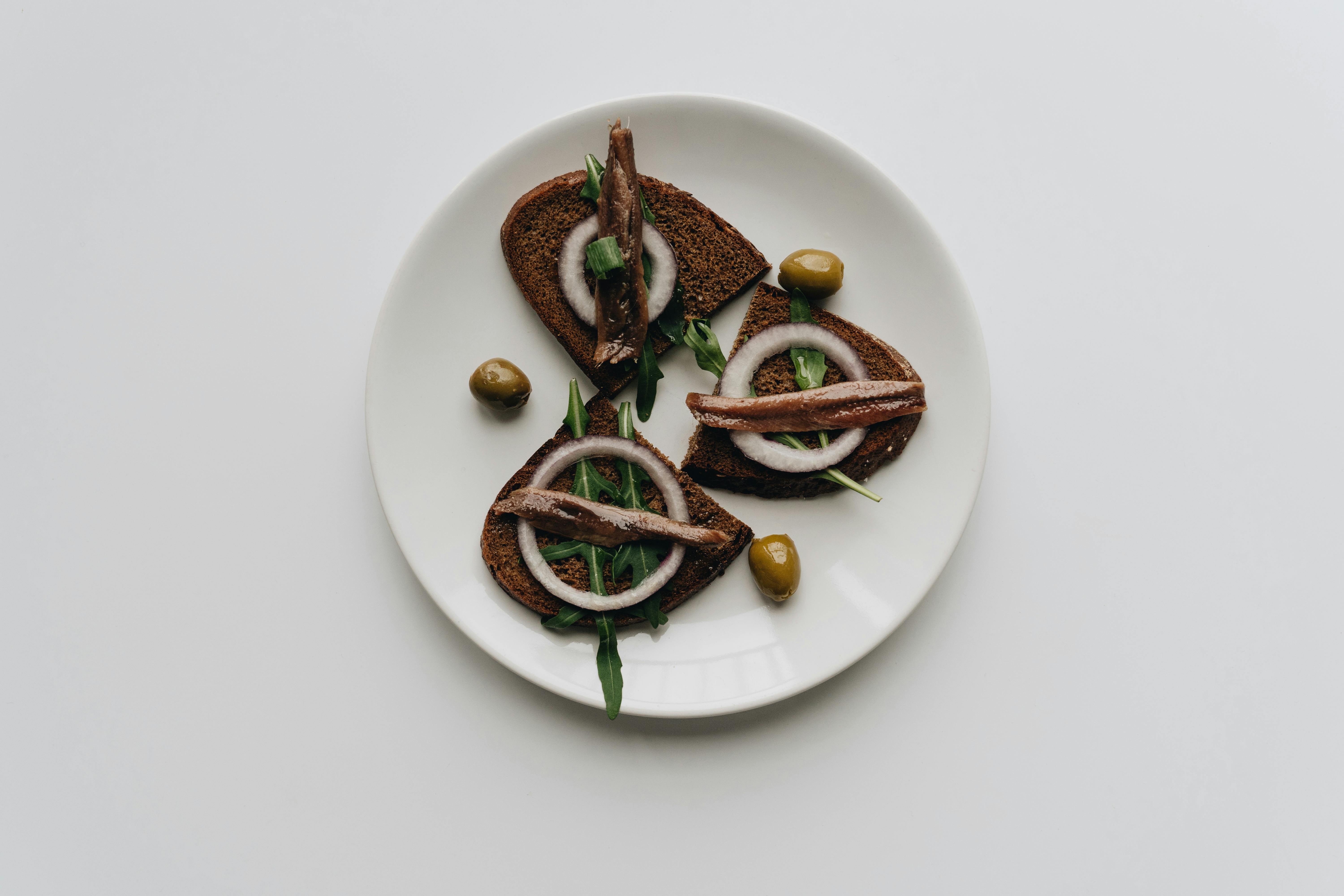
Unlock a healthier, wealthier future in 2026 with the Mediterranean Diet. This science-backed eating plan, rich in whole foods, olive oil, and fresh produce, offers unparalleled benefits for heart health, cognitive function, and longevity. Discover how this delicious lifestyle can also be your most budget-friendly wellness strategy, complete with actionable tips and comparisons for smart adoption.
Introduction to the Topic
As we navigate the complexities of modern life in 2026, the quest for optimal health often feels like a luxurious pursuit, requiring significant time and financial investment. Yet, what if the secret to a vibrant, disease-resistant future wasn't found in expensive supplements or restrictive fads, but in a time-honored tradition celebrated for centuries? Enter the Mediterranean Diet – a lifestyle, not merely a diet, that consistently garners top rankings from health experts worldwide. Far from being a fleeting trend, this eating pattern, rooted in the culinary traditions of countries bordering the Mediterranean Sea, stands as a beacon of evidence-based wellness. What makes it truly revolutionary for today's reader, especially those in the USA and India seeking sustainable health solutions, is its remarkable dual promise: profound science-backed health benefits coupled with an often-overlooked advantage – its inherent affordability. In an era where healthcare costs are soaring and food budgets are tightening, the Mediterranean Diet emerges as a powerful, delicious, and accessible blueprint for achieving peak health without breaking the bank.
Backgrounds & Facts
The Mediterranean Diet is less about rigid rules and more about embracing a holistic eating pattern. Its foundation lies in abundant plant-based foods: fruits, vegetables, whole grains, legumes, nuts, and seeds. Extra virgin olive oil is the primary source of fat, used generously for cooking and dressing. Fish and seafood are consumed regularly, typically a few times a week, while poultry, eggs, and dairy products (like yogurt and cheese) are enjoyed in moderation. Red meat is eaten sparingly, perhaps a few times a month. Water is the preferred beverage, with red wine consumed in moderation, usually with meals, in cultures where alcohol consumption is traditional. Physical activity, social meals, and mindful eating are also integral components of this lifestyle.
The scientific community has extensively validated the health claims associated with this diet. Decades of research, including large-scale observational studies and randomized controlled trials, consistently point to its protective effects. A landmark study, the PREDIMED trial, demonstrated that individuals adhering to a Mediterranean diet supplemented with extra virgin olive oil or nuts experienced a significant reduction in major cardiovascular events compared to a control group. Further research has linked the diet to reduced risk of type 2 diabetes, certain cancers, neurodegenerative diseases like Alzheimer's and Parkinson's, and even depression. Its anti-inflammatory properties, attributed to the abundance of antioxidants and healthy fats, play a crucial role in preventing chronic diseases. Moreover, populations following this diet consistently exhibit higher life expectancies and better quality of life into old age, underscoring its profound impact on longevity and healthy aging. The synergy of its nutrient-dense components, rather than any single "superfood," is believed to be the key to its powerful health benefits.
Expert Opinion / Analysis
"The enduring appeal of the Mediterranean Diet, even in 2026, lies in its simplicity, flexibility, and undeniable scientific backing," explains Dr. Anya Sharma, a public health nutritionist specializing in chronic disease prevention. "It’s not a temporary fix; it's a sustainable paradigm shift towards whole, unprocessed foods. From a public health perspective, its emphasis on accessible, seasonal produce and staple pantry items like lentils and grains makes it incredibly scalable and equitable. We often see patients discouraged by the perceived cost of 'healthy eating,' but the Mediterranean Diet flips that narrative. It champions ingredients that are inherently inexpensive when purchased in their whole form – think beans, rice, seasonal vegetables, and locally sourced fruits. The investment is in quality ingredients, yes, particularly extra virgin olive oil, but overall, it promotes a return to home cooking and mindful consumption, which are inherently cost-effective habits."
Dr. Sharma further emphasizes the preventative power: "In the USA, where chronic diseases like heart disease and diabetes are prevalent, and in India, grappling with its own rising burden of lifestyle diseases, adopting this diet can significantly reduce healthcare expenditures in the long run. By focusing on fiber-rich foods, healthy fats, and lean proteins, it supports satiety, weight management, and stable blood sugar levels, all critical for disease prevention. It's a pragmatic approach that aligns perfectly with the 'Being Healthiest' ethos – empowering individuals with actionable, evidence-based strategies for a better life. The beauty is its adaptability; whether you're sourcing ingredients from a farmers' market in California or a local mandi in Mumbai, the core principles remain universally beneficial and budget-friendly."
Best Options in Comparison (VERY IMPORTANT)
Adopting the Mediterranean Diet can be tailored to various lifestyles and budgets. Here, we compare two primary approaches, integrating wellness product considerations to maximize both health and financial benefits.
-
Option 1: The DIY & Local Sourcing Champion
This approach is the ultimate money-saver and offers the most control over your ingredients. It emphasizes cooking from scratch, leveraging local markets, and smart grocery shopping.
How it Works:
- Bulk Buying: Purchase staples like whole grains (brown rice, quinoa, millet), legumes (lentils, chickpeas, dried beans), and nuts/seeds in larger quantities from supermarkets or specialty stores. This significantly reduces cost per serving.
- Seasonal & Local Produce: Prioritize fruits and vegetables that are in season and available locally. These are typically fresher, more nutritious, and considerably cheaper. Explore local farmers' markets, community-supported agriculture (CSA) programs, or even grow your own herbs.
- Meal Prep: Dedicate time once or twice a week to prepare components of your meals (e.g., cooking a large batch of grains, chopping vegetables, making hummus or other dips). This saves time during busy weekdays and prevents impulse buys or takeout.
- Smart Protein Choices: Opt for affordable protein sources like eggs, canned fish (sardines, mackerel), and plant-based proteins (lentils, beans, tofu). When buying fresh fish or poultry, look for sales or less expensive cuts.
Recommended Wellness Tools/Practices:
- High-Quality Extra Virgin Olive Oil: This is a non-negotiable investment. While a good bottle might seem pricey upfront, it's central to the diet and lasts. Look for "cold-pressed" and "first-cold-pressed" labels.
- Reusable Food Storage Containers: Essential for meal prepping and reducing food waste. Opt for glass or BPA-free plastic for longevity.
- Basic Kitchen Appliances: A good knife set, cutting board, and perhaps a food processor or blender for making pestos, hummus, and vegetable purees.
- Reliable Mediterranean Cookbook: Invest in a cookbook that provides foundational recipes and inspiration for using whole, seasonal ingredients.
-
Option 2: Curated Meal Kits & Subscription Services (Mediterranean-focused)
For those with less time or cooking experience, several services offer convenience by delivering pre-portioned ingredients or ready-to-eat Mediterranean-inspired meals.
How it Works:
- Pre-Portioned Ingredients: Services like Green Chef, Sunbasket, or HelloFresh often have Mediterranean meal plans that deliver all the necessary ingredients, pre-portioned, with recipe cards. This eliminates grocery shopping and reduces food waste.
- Ready-to-Eat Meals: Companies like Factor_ or Freshly (check for Mediterranean-specific plans) offer fully cooked, healthy meals delivered to your door, requiring only heating. This is ideal for extremely busy individuals.
- Specialty Ingredient Subscriptions: Some services focus on delivering high-quality Mediterranean staples, such as olive oil clubs, artisanal pasta subscriptions, or nut/seed mixes.
Recommended Wellness Tools/Practices:
- Smart Refrigerator/Pantry Management: Even with meal kits, having a well-organized fridge helps integrate any additional fresh produce you buy and ensures ingredients are used efficiently.
- Digital Meal Planning Apps: Apps like MyFitnessPal or Cronometer can help track nutrient intake, even with pre-made meals, ensuring you're meeting your dietary goals.
- Insulated Lunch Bags/Containers: For transporting pre-made meals to work or on the go, ensuring freshness and preventing reliance on unhealthy takeout.
To help you decide, here's a comparison of these two approaches:
| Feature | DIY & Local Sourcing Champion | Curated Meal Kits & Subscriptions |
|---|---|---|
| Initial Cost | Low (ingredient cost only) | Medium to High (service fees + ingredients) |
| Long-Term Savings Potential | Very High (significant cost reduction over time) | Moderate (saves on impulse buys, but service fees add up) |
| Convenience | Low (requires planning, shopping, cooking) | Very High (minimal planning, shopping, cooking) |
| Customization & Flexibility | Very High (full control over ingredients, recipes, portions) | Moderate (limited by service's menu; some customization options) |
| Cooking Skills Required | Moderate to High (learn recipes, cooking techniques) | Low (follow simple instructions or just heat) |
| Food Waste Reduction | High (with mindful shopping & meal prep) | High (pre-portioned ingredients) |
| Time Commitment | High (shopping, prepping, cooking) | Low (minimal time spent) |
| Wellness Product Integration | Focus on kitchen tools, bulk storage, quality staples | Focus on digital tools, organizational aids, transport solutions |
Outlook & Trends
Looking ahead to 2026 and beyond, the Mediterranean Diet's influence is only set to grow. We anticipate a surge in demand for locally sourced, sustainable produce, driven by both health consciousness and environmental awareness. The "plant-forward" movement will continue to merge seamlessly with Mediterranean principles, with more innovations in plant-based proteins and alternative dairy products aligning with the diet's core tenets. Digital health platforms and AI-powered nutrition apps are becoming increasingly sophisticated, offering personalized Mediterranean meal plans, shopping lists, and even cooking tutorials tailored to individual dietary needs and budget constraints, making adoption even easier for global audiences. Furthermore, expect to see more Mediterranean-inspired convenience foods and snacks entering the market, though the emphasis will remain on whole, minimally processed options. The focus on gut health, a burgeoning area of scientific research, will also further cement the Mediterranean Diet's status, given its inherent richness in fiber and prebiotics crucial for a healthy microbiome. Its adaptability, scientific integrity, and proven cost-effectiveness ensure its place as a cornerstone of global wellness strategies for years to come.
Conclusion
In a world constantly searching for the next big health breakthrough, the Mediterranean Diet stands as a timeless testament to the power of simple, whole foods. It’s a delicious, culturally rich, and scientifically validated pathway to a healthier, longer life, proving that optimal wellness doesn’t have to be prohibitively expensive. By embracing its principles – abundant plant foods, healthy fats, mindful eating, and regular physical activity – you're not just adopting a diet; you're investing in a sustainable lifestyle that pays dividends in vitality, disease prevention, and financial savings. Whether you choose the hands-on approach of local sourcing and home cooking or leverage the convenience of curated services, the Mediterranean Diet offers a flexible and empowering blueprint for "Being Healthiest" in 2026 and for many years to come.