
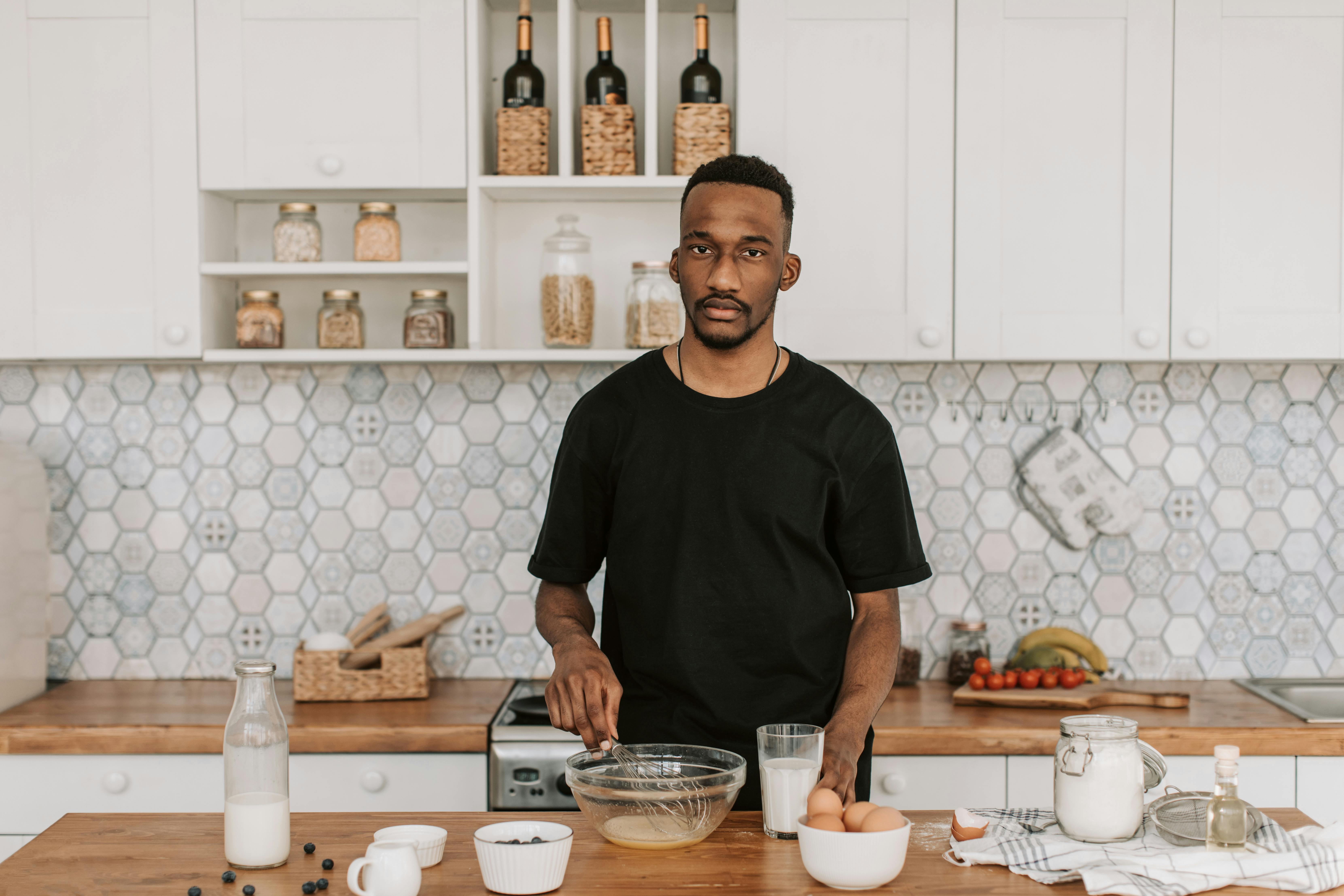
Debunking 5 common meal prep myths that silently drain your wallet while promising healthy eating. Discover evidence-based strategies, smart shopping tips, and essential tools to make healthy meal prep affordable, efficient, and sustainable for everyone, regardless of budget or lifestyle.
Introduction to the Topic
In a world increasingly focused on wellness and efficiency, meal prepping has emerged as a powerful tool for maintaining a healthy diet. The promise is alluring: perfectly portioned meals, reduced decision fatigue, and a clear path to nutritional goals. Yet, for many, the journey into meal prep is fraught with misconceptions, particularly concerning its cost. Popular culture, social media, and even some wellness brands often paint a picture of elaborate, expensive setups and gourmet ingredients, leading many to believe that healthy meal prep is an exclusive club for those with deep pockets.
At "Being Healthiest," we believe that optimal health should be accessible to all. That's why, in 2026, we're cutting through the noise to expose five pervasive myths about meal prepping that are not only costing you money but also deterring you from embracing one of the most effective strategies for a consistent, healthy lifestyle. Prepare to reframe your understanding of meal prep and unlock its true potential for both your health and your wallet.
Backgrounds & Facts
Meal preparation, in its simplest form, is the act of planning and preparing meals ahead of time. It's a practice that dates back centuries, evolving from simple food preservation to the sophisticated systems we see today. The surge in its popularity over the last decade is no accident; studies consistently show that individuals who plan their meals tend to consume a more varied diet, eat more fruits and vegetables, and maintain a healthier body weight compared to those who don't. A 2024 report by the Global Wellness Institute highlighted a 30% increase in meal prep adoption across urban households in the USA and India, driven by rising health consciousness and busier lifestyles.
However, alongside this growth, a shadow of misinformation has persisted. Many perceive meal prep as a luxury, requiring significant upfront investment in specialized equipment, exotic ingredients, and an endless supply of pristine glass containers. This perception is often reinforced by curated online content that showcases aspirational, rather than practical, meal prep routines. The reality, however, is far more empowering: smart meal prepping is inherently a cost-saving strategy. It minimizes food waste, reduces impulse purchases of unhealthy takeout, and allows for strategic grocery shopping. Understanding and debunking these common financial myths is the first step towards a more economical and healthier dietary future.
Expert Opinion / Analysis
Myth 1: "Healthy meal prep demands expensive, organic, and specialty ingredients."
This is perhaps the most widespread and financially damaging myth. Many believe that to eat truly healthy, every ingredient must be organic, free-range, or sourced from niche health food stores. "While organic options offer benefits, they are not a prerequisite for a healthy diet," explains Dr. Anya Sharma, a leading nutritionist and author of 'Budget Bites, Bountiful Health.' "The core of healthy eating lies in whole, unprocessed foods – fruits, vegetables, lean proteins, and whole grains. These are widely available and often very affordable."
The Reality: Focus on seasonal produce, which is typically cheaper and at its peak nutritional value. Prioritize buying staple items like rice, oats, lentils, and beans in bulk. Frozen fruits and vegetables are often just as nutritious as fresh, and significantly more cost-effective, especially out of season. Smart shopping means choosing store brands for pantry staples and utilizing local farmer's markets for fresh produce when possible. For proteins, consider more budget-friendly options like chicken thighs, eggs, tofu, or plant-based proteins which offer excellent nutritional profiles without the premium price tag of certain cuts of meat or exotic superfoods.
Myth 2: "You need high-tech gadgets and a complete set of brand-new, expensive meal prep containers."
Scrolling through social media, one might believe that a kitchen isn't complete without an air fryer, a sous vide machine, a high-speed blender, and a dozen matching glass containers. "The allure of new kitchen gadgets is strong, but they are rarely essential for effective meal prep," advises Rajesh Kumar, a financial wellness coach specializing in household budgeting. "Many people fall into the trap of overspending on tools they'll use once or twice, thinking it's a necessary investment."
The Reality: Start with what you have. Basic pots, pans, a good knife, and a cutting board are sufficient for 90% of meal prep tasks. For containers, repurpose clean glass jars, old takeout containers (ensuring they are food-safe and BPA-free), or invest in a small set of durable, reusable containers over time. Glass containers are excellent for durability and microwave safety, but BPA-free plastic is a more affordable entry point. The key is functionality and reusability, not brand or aesthetic. A versatile multi-cooker or slow cooker can be a smart, single investment if you frequently batch cook, but it's not a mandatory starting point.
Myth 3: "Meal prepping for a healthy diet is inherently more expensive than ordering takeout or eating out."
This myth is a major barrier for many, leading them to believe that convenience always trumps cost. "While a single fast-food meal might seem cheap on the surface, the cumulative costs, hidden fees, and long-term health implications tell a very different story," states Dr. Sharma. "When you factor in delivery charges, tips, impulse add-ons, and the higher prices of restaurant ingredients, homemade meals almost always come out cheaper per serving."
The Reality: A typical restaurant meal can cost anywhere from $15-$30, not including drinks or tip. A home-cooked, meal-prepped dish often costs $3-$7 per serving, sometimes even less. Over a week, this difference can amount to hundreds of dollars in savings. Furthermore, meal prepping gives you complete control over ingredients, allowing you to avoid unhealthy fats, excess sodium, and hidden sugars common in restaurant food. This directly translates to long-term health savings by reducing the risk of diet-related illnesses. Track your spending for a week – compare your takeout bill to what you’d spend on groceries for meal prep, and the financial benefits become strikingly clear.
Myth 4: "You have to cook elaborate, gourmet meals every week to make meal prep worthwhile."
The pressure to create Instagram-worthy meals with complex recipes can be overwhelming and time-consuming, leading many to give up before they even start. "The beauty of meal prep lies in its simplicity and efficiency," explains Chef Priya Singh, a culinary consultant focused on healthy home cooking. "You don't need to be a gourmet chef. The goal is to prepare nutritious food that you'll actually eat, not to win a cooking competition."
The Reality: Effective meal prep often involves 'batch cooking' foundational components: a large batch of roasted vegetables, a pot of quinoa or brown rice, grilled chicken breasts, or a hearty lentil soup. These components can then be mixed and matched throughout the week to create varied meals. Think sheet pan dinners, one-pot stews, or simple salads with pre-cooked protein. Focusing on versatile ingredients and straightforward cooking methods saves both time and money, as you're likely to use fewer specialty items and reduce food waste from unused ingredients.
Myth 5: "Bulk buying always saves money when meal prepping, regardless of what you buy."
While bulk buying can be a fantastic cost-saving strategy, it's a double-edged sword if not approached strategically. "The biggest pitfall with bulk buying is food waste," warns Environmental Scientist and food sustainability advocate, Dr. Kenji Tanaka. "If you buy a massive bag of spinach that spoils before you can use it all, you haven't saved money; you've effectively thrown money away."
The Reality: Bulk buying is most effective for non-perishable items (dry grains, legumes, canned goods, spices) or items you know you will consume quickly or can easily freeze (e.g., meat, certain vegetables). For perishables, buy only what you realistically need for the week. Proper storage is crucial: understand how to store fresh produce to extend its shelf life, and utilize your freezer for portioning out bulk purchases like chicken breasts, berries, or even pre-cooked grains. A well-organized pantry and freezer inventory can prevent overbuying and ensure that every penny spent translates into food consumed, not wasted.
Best Options in Comparison (VERY IMPORTANT)
Navigating the world of meal prep can be overwhelming with countless products and services. To help you make financially savvy choices without compromising health, here are some top recommendations and comparisons:
-
Option 1: Smart Storage Solutions – Glass vs. BPA-Free Plastic
Choosing the right containers is fundamental. While plastic is often cheaper upfront, glass offers long-term benefits.
- Glass Containers: Durable, non-porous (no staining or odors), microwave/oven/dishwasher safe, and generally lasts longer. Better for reheating.
- BPA-Free Plastic Containers: Lightweight, shatter-resistant, and more budget-friendly for initial setup. Good for packing lunches on the go.
Recommendation: Invest in a mix. Prioritize glass for meals you'll reheat frequently. Use BPA-free plastic for snacks, salads, or dry ingredients. Always check for airtight seals to prevent leaks and keep food fresh.
-
Option 2: Kitchen Efficiency – Multi-Cookers vs. Dedicated Appliances
Streamlining your cooking process can save time and energy costs.
- Versatile Multi-Cooker (e.g., Instant Pot type): Combines pressure cooker, slow cooker, rice cooker, steamer, and sauté functions. Excellent for batch cooking grains, stews, and proteins in one pot, significantly reducing cooking time and cleanup.
- Basic Stovetop/Oven & Slow Cooker: More traditional, requires multiple appliances for different tasks. Slower cooking times but very effective for large batches, especially soups and roasts.
Recommendation: If budget allows and you're serious about efficient batch cooking, a multi-cooker is a game-changer. Otherwise, a reliable slow cooker paired with your existing stovetop/oven setup is perfectly adequate for cost-effective, large-batch meal prep.
To further illustrate cost-effective choices across different meal prep categories, here's a detailed comparison table:
| Category | Budget-Friendly Option | Mid-Range Option | Premium Option | Key Benefit | Cost-Saving Tip |
|---|---|---|---|---|---|
| Food Storage | Repurposed Glass Jars/BPA-Free Plastic (e.g., take-out containers) | Durable BPA-Free Plastic Sets with Lids | Borosilicate Glass Container Sets with Airtight Lids | Prevents food waste, maintains freshness | Buy sets during sales; prioritize airtight seals. |
| Meal Planning Tools | Pen & Paper, Basic Spreadsheet | Free/Freemium Meal Planning Apps (e.g., Paprika, Mealime Basic) | Premium Subscription Meal Planning Apps (e.g., PlateJoy, Eat This Much Pro) | Organizes groceries, reduces impulse buys | Start free; upgrade only if specific features are essential. |
| Protein Sources | Lentils, Dried Beans, Eggs, Tofu, Chicken Thighs | Ground Turkey, Canned Fish, Boneless Chicken Breasts | Organic Salmon, Grass-fed Beef, Premium Plant-based Meats | Essential for satiety and muscle health | Buy in bulk when on sale; utilize plant-based proteins. |
| Produce Sourcing | Seasonal Local Produce, Frozen Fruits/Vegetables | Grocery Store Sales, Discount Grocers | Organic Specialty Markets, Home Delivery Services | Nutrient-dense, adds variety and fiber | Shop farmer's markets; freeze surplus fresh produce. |
| Kitchen Appliances | Good Quality Knife, Cutting Board, Basic Pots/Pans | Slow Cooker OR Versatile Multi-Cooker | High-Speed Blender, Air Fryer, Sous Vide Machine | Streamlines cooking, saves time | Invest in one multi-functional appliance over many single-use ones. |
Outlook & Trends
Looking ahead to 2026 and beyond, meal prepping is set to become even more integrated into our healthy lifestyles, bolstered by technological advancements and a growing emphasis on sustainability. We anticipate a rise in AI-powered meal planning apps that not only suggest recipes based on dietary needs and preferences but also optimize grocery lists to minimize cost and food waste, even factoring in local sales and seasonal availability. Personalized nutrition, driven by wearable tech and genetic insights, will likely influence meal prep choices, with apps recommending specific macronutrient ratios and micronutrient-rich ingredients tailored to individual biomarkers.
Furthermore, the focus on sustainable eating will reshape meal prep. Expect more emphasis on plant-forward meal planning, utilizing overlooked parts of vegetables (root-to-stem cooking), and innovative food preservation techniques. Community-supported agriculture (CSA) programs and local food hubs will play a larger role in providing affordable, seasonal produce directly to consumers, making healthy ingredients more accessible. The "batch cooking as a social activity" trend is also gaining traction, with friends and families pooling resources and time to prepare meals together, fostering community while saving money and effort.
Conclusion
Meal prepping is not an exclusive club for the wealthy or the gourmet chef. It is a practical, powerful strategy for anyone committed to a healthier diet and a healthier financial future. By debunking the five common myths that suggest meal prep is inherently expensive, we've illuminated a path toward accessible, affordable, and sustainable eating. You don't need exotic ingredients, fancy gadgets, or endless hours in the kitchen. What you need is a strategic mindset, a willingness to plan, and an understanding that simplicity often yields the greatest returns.
Embracing smart meal prep means taking control of your nutrition, reducing food waste, and making conscious choices that benefit both your body and your bank account. Start small, experiment with budget-friendly ingredients, utilize what you already have, and gradually build a routine that fits your lifestyle. The journey to being your healthiest doesn't have to break the bank; with thoughtful meal preparation, it can, in fact, empower you to save money while savoring every nutritious bite.