
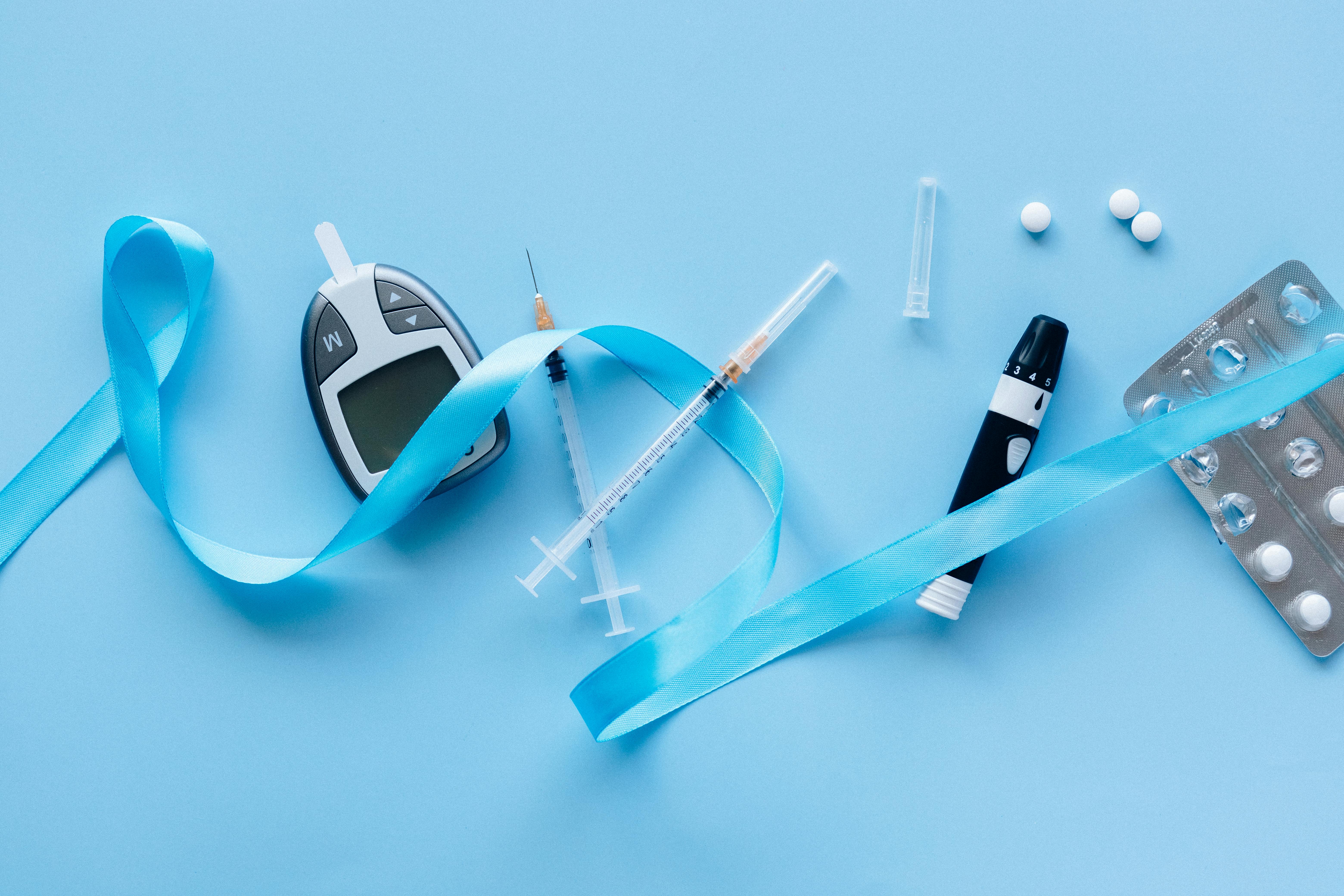
In 2026, understanding and preventing diabetes has never been more critical. This comprehensive guide reveals how early detection strategies can save individuals thousands in healthcare costs while safeguarding long-term health. Explore cutting-edge wellness tools, expert insights, and actionable advice for a healthier future, focusing on prevention and proactive management.
Introduction to the Topic
The year is 2026, and the landscape of health and wellness continues its rapid evolution. Yet, one chronic condition stubbornly persists as a global health crisis: diabetes. Affecting hundreds of millions worldwide, with projections soaring even higher, diabetes isn't just a health challenge; it's a profound financial burden. For individuals, families, and healthcare systems alike, the costs associated with managing advanced diabetes can be astronomical – often reaching into the tens, even hundreds of thousands of dollars over a lifetime. But what if there was a powerful, often overlooked strategy that could dramatically reduce these figures while preserving quality of life? The answer lies in early detection.
In this 2026 guide, "Being Healthiest" delves deep into the transformative power of catching diabetes, or its precursor, pre-diabetes, at its earliest stages. We'll explore how advancements in screening, monitoring, and personalized wellness solutions are empowering individuals to take control, not just of their health, but also their financial future. From innovative home testing kits to AI-driven health platforms, the tools available today are more sophisticated than ever, offering a clear path to prevention and significant savings. Join us as we uncover the crucial steps you can take now to detect, prevent, and thrive, saving thousands along the way.
Backgrounds & Facts
Diabetes Mellitus, particularly Type 2, continues to be a formidable adversary. By 2026, global statistics from organizations like the International Diabetes Federation (IDF) show that over half a billion people are living with diabetes, with a disproportionate increase in low- and middle-income countries, including India, and persistent high rates in nations like the USA. Type 2 diabetes accounts for about 90-95% of all cases, often developing gradually and remaining undiagnosed for years. This silent progression is precisely what makes early detection so vital.
The financial impact is staggering. In the USA, the American Diabetes Association (ADA) estimates that the total direct and indirect costs of diagnosed diabetes surpassed $400 billion annually by 2025, a figure projected to rise. This includes medical expenses for doctor visits, medications, insulin, blood glucose testing supplies, and hospitalizations for complications like heart attacks, strokes, kidney failure, nerve damage, and amputations. For an individual, managing diabetes can cost an average of $16,000 per year, with significant portions attributed to complications that could have been prevented.
In India, a nation often referred to as the "diabetes capital of the world," the economic burden is equally devastating. While per capita costs might seem lower than in the West, the sheer volume of patients, coupled with out-of-pocket expenses, pushes millions into poverty. The cost of managing complications often exceeds the primary treatment, creating a vicious cycle for families.
The good news is the concept of "pre-diabetes." This is a condition where blood sugar levels are higher than normal but not yet high enough to be diagnosed as Type 2 diabetes. Approximately 1 in 3 adults in the USA has pre-diabetes, and a significant percentage of those will develop Type 2 diabetes within five to ten years if no lifestyle changes are made. The critical fact here is that pre-diabetes is often reversible through targeted lifestyle interventions. Detecting pre-diabetes early can prevent the onset of full-blown diabetes, thereby averting not only severe health complications but also the associated lifetime costs of thousands, if not hundreds of thousands, of dollars.
Expert Opinion / Analysis
"In 2026, the mantra for diabetes should unequivocally be 'prevention is paramount, and early detection is its sharpest tool'," states Dr. Anya Sharma, a leading endocrinologist and public health advocate. "We've moved beyond simply treating symptoms; our focus is now on intercepting the disease pathway entirely. The advancements in diagnostic technology and our understanding of metabolic health mean there's less excuse than ever to let diabetes creep up unnoticed."
Dr. Sharma emphasizes that the window of opportunity presented by pre-diabetes is invaluable. "When we identify elevated blood sugar levels before they cross the diagnostic threshold for Type 2 diabetes, we empower individuals with a chance to reverse course. Simple, yet profound, lifestyle modifications – dietary changes, increased physical activity, stress management – can normalize blood sugar and prevent the progression to full-blown diabetes in up to 70% of cases. This isn't just about avoiding daily insulin injections or medications; it's about sidestepping the risk of heart disease, stroke, kidney dialysis, blindness, and nerve damage, each of which carries an immense personal and financial toll."
The current (2026) standard for diabetes screening typically involves a Fasting Plasma Glucose (FPG) test, an Oral Glucose Tolerance Test (OGTT), or an A1C test. The A1C test, which provides an average blood sugar level over the past two to three months, has become a cornerstone due to its convenience and reliability. "We recommend regular A1C screenings, especially for individuals over 45, or those with risk factors such as obesity, a family history of diabetes, high blood pressure, or a history of gestational diabetes," advises Dr. Sharma. "But 2026 also brings more personalized risk assessments, leveraging AI and genetic data to identify at-risk individuals even earlier, allowing for targeted interventions before traditional markers become evident."
The shift from reactive treatment to proactive prevention is not merely a medical ideal; it's an economic imperative. By investing in early detection and prevention programs, healthcare systems and individuals save significant resources. "Consider the cost of a Continuous Glucose Monitor (CGM) and a personalized nutrition coaching program versus the lifetime cost of insulin, kidney dialysis, or cardiac surgery," Dr. Sharma elaborates. "The savings are not just thousands; they are often hundreds of thousands. Early detection is truly the most cost-effective prescription."
Best Options in Comparison (VERY IMPORTANT)
In 2026, the market for diabetes prevention and early detection tools has exploded, offering unprecedented opportunities for proactive health management. These options range from advanced home monitoring devices to comprehensive digital wellness platforms, all designed to empower you to detect risks early and make informed lifestyle choices. Investing in these tools now can save you a fortune in future medical expenses.
-
GlycoSense AI CGM System
The GlycoSense AI CGM System, developed by OmniHealth Innovations, represents the pinnacle of proactive glucose monitoring. Unlike traditional CGMs primarily for diagnosed diabetics, GlycoSense is designed for individuals at risk or with pre-diabetes. It provides real-time, continuous glucose readings via a discreet sensor worn on the arm, transmitting data to a smart device. Its proprietary AI analyzes glucose fluctuations, identifying patterns linked to specific foods, stress, sleep, and activity levels. It offers personalized alerts and predictive insights, suggesting optimal meal timings and exercise routines to stabilize blood sugar. The accompanying app, 'GlycoLife,' offers virtual coaching and integrates with popular fitness trackers. This system is ideal for those committed to understanding and optimizing their metabolic health for prevention.
-
DiaScan Smart Glucometer & Prevent+ App
The DiaScan Smart Glucometer, from HealthMetrics Corp., offers a more traditional yet highly advanced approach to blood glucose monitoring. It's a compact, user-friendly device that pairs seamlessly with the 'Prevent+' app via Bluetooth. While not continuous, it allows for strategic spot-checking of blood sugar levels after meals, during fasting, or at critical times identified by the app's intelligent scheduling. The Prevent+ app features robust data analytics, trend reporting, and integrates with telehealth services, allowing users to share data directly with their healthcare providers. It also includes a comprehensive library of dietitian-approved meal plans and exercise videos tailored for pre-diabetes reversal. This option is excellent for those who prefer periodic testing but still want sophisticated data analysis and professional support.
-
LifePath Wellness Platform
LifePath, a subscription-based digital health platform by Wellness Futures Inc., offers a holistic approach to diabetes prevention. It combines AI-driven personalized health plans with human coaching. Upon enrollment, users complete a detailed health assessment, including optional genetic predisposition tests. The platform then generates a bespoke nutrition plan, exercise regimen, and stress management techniques. Users receive daily check-ins, access to virtual cooking classes, and one-on-one sessions with certified health coaches and registered dietitians via video call. LifePath integrates with many popular wearables and smart scales, consolidating all health data in one intuitive dashboard. It's a premium, comprehensive solution for sustained lifestyle change.
-
PreventD Community Program
The PreventD Community Program, often offered through local health clinics, employer wellness initiatives, or community centers, is a structured, evidence-based program rooted in the principles of the CDC's National Diabetes Prevention Program. It's a hybrid model, combining online modules with regular in-person or virtual group sessions led by trained lifestyle coaches. The program focuses on achievable goals: modest weight loss (5-7% of body weight) and increased physical activity (150 minutes per week). Participants benefit from peer support, shared experiences, and structured educational content over a 12-month period. While less reliant on cutting-edge tech, its proven efficacy and community-driven approach make it a powerful and often more affordable option for many.
Here’s a comparison of these key options to help you decide:
| Feature | GlycoSense AI CGM System | DiaScan Smart Glucometer & Prevent+ App | LifePath Wellness Platform | PreventD Community Program |
|---|---|---|---|---|
| Core Function | Continuous Glucose Monitoring & AI Insights | On-demand Glucose Monitoring & Data Analytics | Holistic AI-driven Health & Coaching | Structured Group-based Lifestyle Change |
| Target User | High-risk pre-diabetics, tech-savvy individuals | Pre-diabetics, those preferring periodic checks | Anyone seeking comprehensive, personalized prevention | Pre-diabetics, those preferring group support |
| Cost (Annual Est. 2026) | $1200 - $2000 (sensor refills, subscription) | $200 - $400 (device, strips, app subscription) | $800 - $1500 (monthly subscription) | $0 - $500 (often covered by insurance/employers) |
| Key Features | Real-time glucose data, AI predictions, personalized alerts, virtual coaching | Accurate spot checks, trend reporting, telehealth integration, meal plans | Personalized nutrition/exercise, 1:1 coaching, genetic integration, comprehensive dashboard | Peer support, certified lifestyle coaches, evidence-based curriculum, gradual goal setting |
| Ease of Use | Moderate (sensor application, app navigation) | High (simple finger prick, intuitive app) | Moderate (requires commitment to platform engagement) | High (structured meetings, clear guidelines) |
| Data Integration | Extensive with fitness trackers, smartwatches | Limited to Prevent+ app, telehealth portals | Broad with wearables, smart scales, health records | Primarily self-reported, coach-monitored progress |
| Effectiveness for Prevention | Very High (proactive, real-time feedback) | High (data-driven insights for targeted changes) | Very High (comprehensive, sustained behavior change) | High (proven track record in clinical studies) |
Outlook & Trends
Looking beyond 2026, the future of diabetes prevention and early detection is incredibly promising, driven by relentless innovation and a deeper understanding of human physiology. We anticipate several key trends that will further empower individuals and revolutionize healthcare:
Hyper-Personalized Prevention with AI & Genomics: The integration of Artificial Intelligence with genomic data will become standard. AI will not only analyze current lifestyle data but also factor in an individual's genetic predispositions to predict diabetes risk with unprecedented accuracy. This will lead to hyper-personalized prevention plans, recommending specific dietary components, exercise types, and even sleep patterns optimized for an individual's unique biology, moving beyond 'one-size-fits-all' advice.
Non-Invasive Continuous Monitoring: While CGMs are advanced, the next frontier is truly non-invasive glucose monitoring. Researchers are rapidly developing technologies like smart contact lenses, skin patches that use micro-needles or radiofrequency, and even advanced breath analyzers that can measure glucose levels without any skin penetration. By 2030, such devices could be commonplace, making continuous monitoring easier and more accessible for everyone, especially those in early detection phases.
Digital Therapeutics (DTx) as Prescriptions: Digital therapeutics, which are software programs designed to prevent, manage, or treat a medical disorder, will gain even more traction. These evidence-based programs, often delivered via apps, will increasingly be prescribed by doctors as a primary intervention for pre-diabetes, offering structured, engaging, and scalable solutions for lifestyle modification.
Integrated Health Ecosystems: The fragmentation of health data will largely disappear. We'll see a seamless integration of data from wearables, smart home devices, electronic health records, and digital health platforms. This holistic view will allow healthcare providers and AI systems to identify risk factors earlier, track progress more effectively, and intervene proactively, making health management truly collaborative.
Global Telemedicine & Remote Patient Monitoring (RPM): Telemedicine, already accelerated by recent global events, will become a standard mode of care delivery, particularly for chronic disease management and prevention. RPM technologies will allow doctors to monitor patients' health metrics from anywhere, providing timely advice and adjustments to prevention plans, especially benefiting populations in remote areas or those with limited access to specialists, such as in parts of India and rural USA.
Focus on Metabolic Health Beyond Glucose: The understanding of metabolic health will broaden beyond just glucose. Future prevention strategies will also heavily consider insulin sensitivity, lipid profiles, inflammation markers, and gut microbiome health, offering a more comprehensive approach to preventing not just diabetes, but a spectrum of metabolic disorders.
Conclusion
As we navigate the complexities of 2026, one truth stands clearer than ever: early detection is not just a medical recommendation; it's a strategic imperative for a healthier, wealthier future. The staggering financial burden of advanced diabetes, reaching into the hundreds of thousands of dollars for individuals, serves as a stark reminder of the immense value of proactive health management. By catching pre-diabetes or early-stage Type 2 diabetes, you unlock the power to reverse course, prevent debilitating complications, and reclaim your health and financial stability.
The tools and knowledge are at your fingertips. From sophisticated continuous glucose monitors that offer real-time insights to comprehensive digital wellness platforms and community-based prevention programs, the options available today are more effective and accessible than ever before. These are not just health gadgets; they are investments in a future free from the shadow of chronic disease and its associated costs.
Don't wait for symptoms to manifest or for a diagnosis to become unavoidable. Take the initiative. Talk to your healthcare provider about your diabetes risk. Explore the innovative prevention and early detection options available. Embrace lifestyle changes – a balanced diet, regular physical activity, adequate sleep, and stress management – not as a chore, but as an empowering act of self-care. Your health, and your wallet, will thank you for it. In 2026, the power to save thousands and secure a vibrant, healthy life is truly in your hands.