
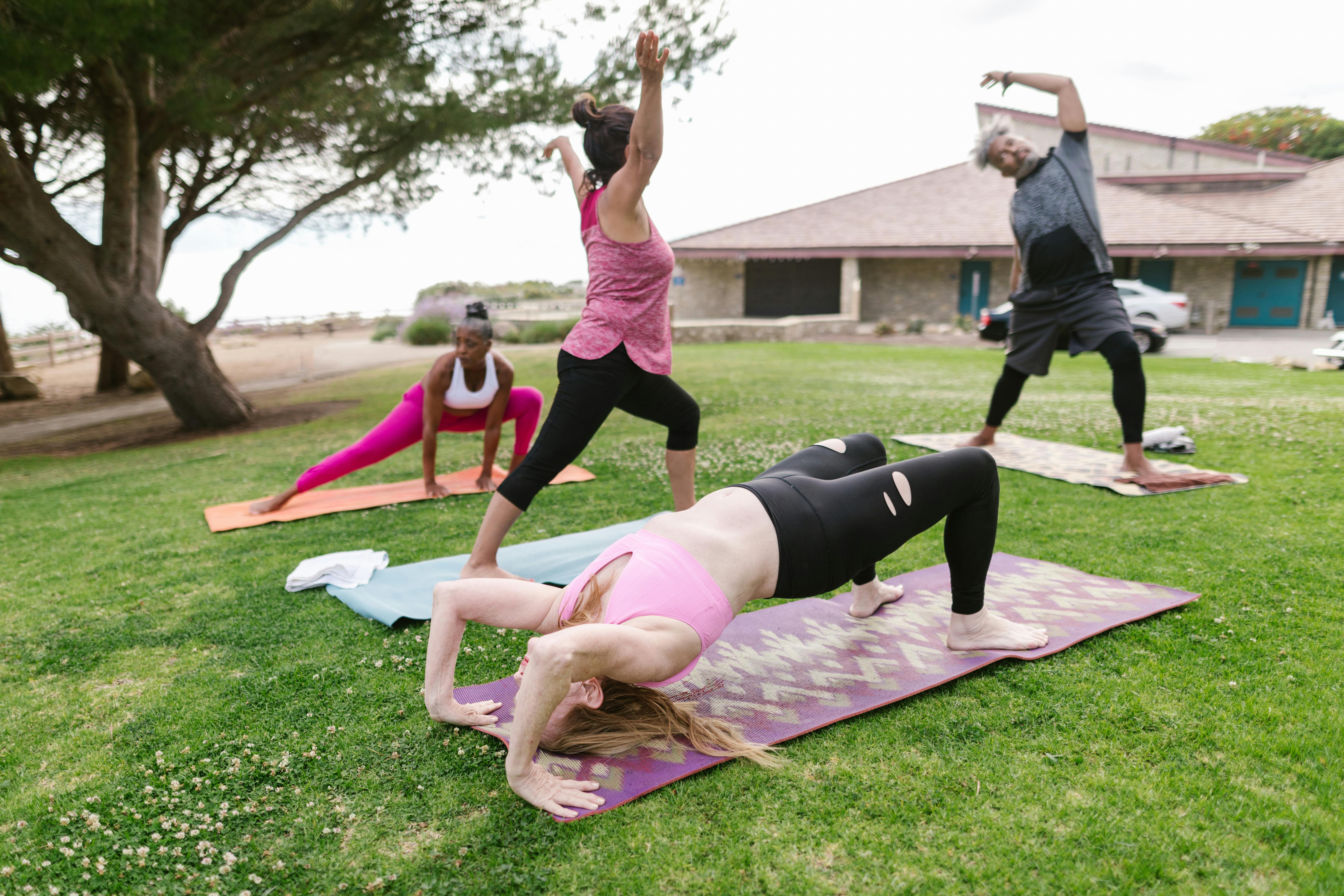
Unlock profound health benefits and financial savings with the power of morning yoga. Discover how a simple, free daily practice can reduce stress, enhance physical well-being, boost mental clarity, and prevent chronic conditions, making wellness accessible to everyone in 2026 and beyond.
Introduction to the Topic
In an increasingly fast-paced world, where health trends often come with hefty price tags, the quest for sustainable well-being can feel like an exclusive club. Yet, a powerful, ancient practice offers a profound antidote, readily available to everyone, everywhere, at absolutely no cost: morning yoga. As we navigate 2026, the global emphasis on holistic health, preventative care, and mindful living has never been stronger. But what if the most impactful step you could take towards maximizing your health, both physically and mentally, was as simple as rolling out of bed and onto a mat – or even just a towel – for a few minutes each day?
"Being Healthiest" is dedicated to empowering you with reliable, actionable health information, and today, we're diving deep into the transformative potential of morning yoga. This isn't just about stretching; it's about cultivating a daily ritual that optimizes your physical vitality, sharpens your mental focus, calms your nervous system, and ultimately, saves you money on future health expenditures. Imagine starting your day not with a jolt of caffeine or the rush of emails, but with intentional movement, breath, and presence. This article will explore the science, practical applications, and abundant free resources available to integrate morning yoga into your life, proving that the path to optimal health doesn't require a significant financial investment – just a commitment to yourself.
Backgrounds & Facts
Yoga, originating in ancient India thousands of years ago, is far more than a physical exercise. It’s a comprehensive system designed to harmonize the body, mind, and spirit. Its profound benefits have been documented through millennia and are now extensively validated by modern scientific research. The practice typically involves a combination of physical postures (asanas), breathing techniques (pranayama), and meditation or relaxation (dhyana).
When practiced in the morning, these elements converge to create a powerful cascade of positive effects. Studies have shown that a regular morning yoga routine can significantly reduce cortisol levels, the body's primary stress hormone. High cortisol levels, often prevalent in our modern lifestyles, contribute to chronic inflammation, weight gain, weakened immunity, and a host of other health issues. By consciously engaging in mindful movement and deep breathing first thing in the morning, you actively signal to your nervous system that it's safe to relax, setting a calm and centered tone for the entire day.
Beyond stress reduction, the physical benefits are substantial. Morning yoga enhances flexibility, crucial for preventing injuries and maintaining mobility as we age. It builds core strength, improves balance, and can alleviate chronic pain, particularly in the back and neck, common complaints among office workers and those with sedentary lifestyles. Furthermore, specific sequences can stimulate circulation, boost metabolism, and aid in detoxification. For cardiovascular health, while not as intense as cardio, the mindful movement and improved circulation contribute to overall heart well-being, especially when combined with breathwork that strengthens lung capacity.
From a mental perspective, morning yoga acts as a powerful cognitive primer. It improves focus, concentration, and problem-solving abilities. The meditative aspect fosters mindfulness, reducing anxiety and promoting a more positive outlook. In a 2026 landscape where mental health awareness is paramount, integrating a free practice like morning yoga offers an accessible, non-pharmacological pathway to better emotional regulation and resilience. The cumulative effect of these benefits contributes significantly to preventative health, potentially reducing the incidence of lifestyle-related diseases and the associated healthcare costs, which continue to rise globally in both the USA and India.
Expert Opinion / Analysis
"The beauty of morning yoga lies in its accessibility and profound impact on setting the daily trajectory for health," states Dr. Anjali Sharma, a Mumbai-based holistic health physician specializing in integrative medicine. "Many patients come to me seeking solutions for stress, fatigue, and even early signs of chronic disease. My first recommendation, almost always, is to incorporate a simple morning yoga routine. It requires no expensive equipment, no gym membership, and no special attire beyond comfortable clothing. The investment is purely in your time and intention."
Dr. Sharma emphasizes that consistency, not intensity, is key. "Even 10-15 minutes of gentle stretching, mindful breathing, and a few sun salutations can create a noticeable difference within weeks. It's about establishing a habit that prioritizes your well-being before the demands of the day take over. For beginners, the misconception is often that you need to be flexible or achieve complex poses. This couldn't be further from the truth. Yoga is a practice, not a performance. Start where you are, listen to your body, and progress naturally."
From a physiological standpoint, morning yoga gently awakens the body. "During sleep, our muscles can shorten and tighten," explains David Chen, a certified physiotherapist in San Francisco. "Morning yoga helps to elongate these muscles, increase blood flow, and lubricate joints, preparing them for the day's activities. This proactive approach significantly reduces the risk of strains and injuries that can occur when the body is suddenly put into motion without proper preparation. Furthermore, the deep breathing exercises enhance oxygen delivery to all tissues, including the brain, leading to improved cognitive function and sustained energy levels without the crash associated with stimulants."
The "free" aspect is particularly crucial in today's economic climate. "In both the USA and India, healthcare costs can be a significant burden. Investing in preventative wellness practices that are free is not just smart health, it's smart economics," adds Dr. Sharma. "Morning yoga empowers individuals to take charge of their health destiny, reducing reliance on costly interventions down the line. It's a powerful tool for self-care and resilience, offering a tangible pathway to feeling healthier and more vibrant without breaking the bank."
Best Options in Comparison
The beauty of "free" morning yoga is the abundance of options available to suit every preference, schedule, and skill level. You don't need a studio membership or fancy gear to begin your journey. Here, we compare the most effective free avenues for integrating morning yoga into your routine:
-
Option 1: Self-Guided Home Practice (DIY)
This is the purest form of free yoga. It involves utilizing your own knowledge, free online resources like articles or basic pose guides, or simply moving intuitively. Ideal for those who prefer complete autonomy and flexibility. You can create your own sequence based on what your body needs that day, or follow a simple routine you've learned. The only "tool" needed is a comfortable space, and perhaps a mat if you have one, though a towel or carpet works perfectly.
Pros:
- Ultimate Flexibility: Practice anytime, anywhere, for any duration.
- Truly Zero Cost: Relies entirely on self-motivation and readily available information.
- Deeply Personal: Tailor every session to your body's specific needs and mood.
- Privacy: Ideal for those who prefer to practice alone without external pressure.
Cons:
- Lack of Guided Instruction: Potential for incorrect form, leading to less effective practice or even injury.
- Requires Self-Discipline: Can be challenging to stay motivated without external guidance.
- Limited Variety: May become repetitive if you're not actively seeking new poses or sequences.
-
Option 2: Free Online Resources (YouTube Channels, Apps with Free Tiers)
The digital age has democratized access to high-quality yoga instruction. Platforms like YouTube host thousands of free, guided yoga classes catering to all levels, from absolute beginners to advanced practitioners. Many reputable yoga apps also offer robust free tiers, providing access to introductory sequences, short daily practices, and foundational pose tutorials. These resources bring expert instruction directly to your living room, bridging the gap between self-guided practice and a live class.
Pros:
- Expert Guidance: Follow certified instructors who demonstrate correct form and provide cues.
- Vast Variety: Explore numerous styles (Hatha, Vinyasa, Restorative), durations, and focus areas (e.g., "yoga for back pain," "morning energy flow").
- Community & Inspiration: Many channels and apps foster a sense of community through comments and forums.
- Convenience: Accessible on demand via your smartphone, tablet, or smart TV.
Cons:
- Internet Dependency: Requires a stable internet connection.
- Potential Distractions: Ads on free platforms can interrupt the flow and mindfulness.
- Lack of Personal Feedback: No instructor to correct your form in real-time.
- Overwhelm of Choices: The sheer volume of content can be daunting for beginners.
-
Option 3: Community-Led Free Sessions / Public Park Classes
In many urban and even rural areas across both the USA and India, community organizations, local parks departments, or passionate individuals offer free yoga sessions. These can range from informal gatherings in a park to structured classes sponsored by wellness initiatives. Check local community boards, social media groups, or even public library schedules. In India, many spiritual centers or ashrams also offer free introductory classes or community sessions, particularly in the mornings.
Pros:
- Live Instruction & Feedback: Opportunity for real-time adjustments and questions with an instructor.
- Sense of Community: Practice with others, fostering connection and shared motivation.
- Structured Environment: A dedicated time and place can aid consistency.
- Outdoor Benefits: Practicing amidst nature (in parks) adds an extra layer of serenity and fresh air.
Cons:
- Schedule Dependency: Fixed times and locations may not suit everyone's schedule.
- Limited Availability: May not be available in all areas or on all days.
- Weather Dependent: Outdoor sessions are subject to weather conditions.
- Less Personalization: General instruction for a group, not tailored to individual needs.
Here's a comparison table to help you choose the best free morning yoga option:
| Approach | Guidance Level | Flexibility/Personalization | Community Engagement | Resources Needed | Best For |
|---|---|---|---|---|---|
| Self-Guided Home Practice | Low (Self-reliant) | Highest (Fully customizable) | None | Minimal (Space, comfortable clothing) | Experienced practitioners, highly self-motivated individuals, those seeking ultimate privacy. |
| Free Online Resources (YouTube, Apps) | Medium-High (Expert-led videos) | High (Choose from vast library) | Low-Medium (Online comments, forums) | Internet-enabled device, stable internet connection, comfortable space. | Beginners & intermediates, those seeking variety and structured guidance at home, busy individuals. |
| Community-Led/Park Sessions | High (Live instructor) | Low-Medium (Group class structure) | Highest (In-person interaction) | Comfortable clothing, mat/towel, transportation to location. | Beginners, those who thrive with social interaction, individuals seeking real-time feedback. |
Outlook & Trends
As we look towards the mid-2020s and beyond, the landscape of wellness is rapidly evolving, yet the foundational principles of practices like yoga remain evergreen. We anticipate several key trends that will further amplify the accessibility and impact of free morning yoga:
Hyper-Personalization through AI: While not fully free in its most advanced iterations, expect to see more AI-driven platforms offering free introductory assessments and basic personalized yoga routines. These tools will analyze user input (e.g., body type, fitness goals, time availability, even mood) to suggest optimal free YouTube videos or pose sequences, making self-guided practice more effective and tailored.
Increased Corporate & Public Health Initiatives: Governments and corporations, recognizing the immense benefits of preventative health and employee well-being, will likely expand free wellness programs. This could mean more sponsored community yoga classes in parks, public spaces, and even virtual corporate wellness challenges that encourage free home practice. The focus will be on reducing healthcare burdens and fostering a healthier, more productive populace.
Global Digital Wellness Communities: The rise of global digital communities will continue to flourish, connecting individuals from diverse backgrounds (USA, India, and beyond) through shared wellness goals. Free live-streamed yoga sessions led by instructors from different cultures, offering diverse styles and perspectives, will become even more prevalent. This fosters a sense of global unity and makes varied instruction readily available.
Integration with Other Free Wellness Modalities: Morning yoga will increasingly be seen as a cornerstone within a broader, free wellness ecosystem. Expect more free resources that combine yoga with other accessible practices like meditation, breathwork, journaling prompts, and even simple nutritional guidance, all aimed at holistic well-being without financial barriers. The emphasis will be on synergistic practices that amplify overall health.
Focus on Mental Health & Resilience: Given the ongoing global mental health crisis, free morning yoga will gain even greater prominence as a non-pharmacological intervention. Its proven ability to reduce stress, anxiety, and depression, coupled with its accessibility, positions it as a vital tool in building individual and community resilience. Public health campaigns will increasingly highlight its role in mental well-being.
Conclusion
In a world often defined by scarcity and expense, morning yoga stands as a testament to the profound power of simplicity, accessibility, and self-empowerment. It is a timeless practice, deeply rooted in ancient wisdom, yet perfectly aligned with the demands and discoveries of 2026. By dedicating just a few minutes each morning to mindful movement and breath, you unlock a cascade of benefits that permeate every aspect of your life – from enhanced physical vitality and mental clarity to emotional resilience and financial prudence.
The journey to being your healthiest self doesn't require a substantial investment, merely a commitment. Whether you choose the quiet introspection of a self-guided practice, the rich variety of free online instruction, or the communal energy of a park session, the tools are readily available. Morning yoga is more than just an exercise; it's a daily ritual of self-care, a preventative health measure, and a powerful statement that your well-being is a non-negotiable priority. Embrace this free, transformative practice and witness how it not only maximizes your health but also enriches your life, one mindful morning at a time.