
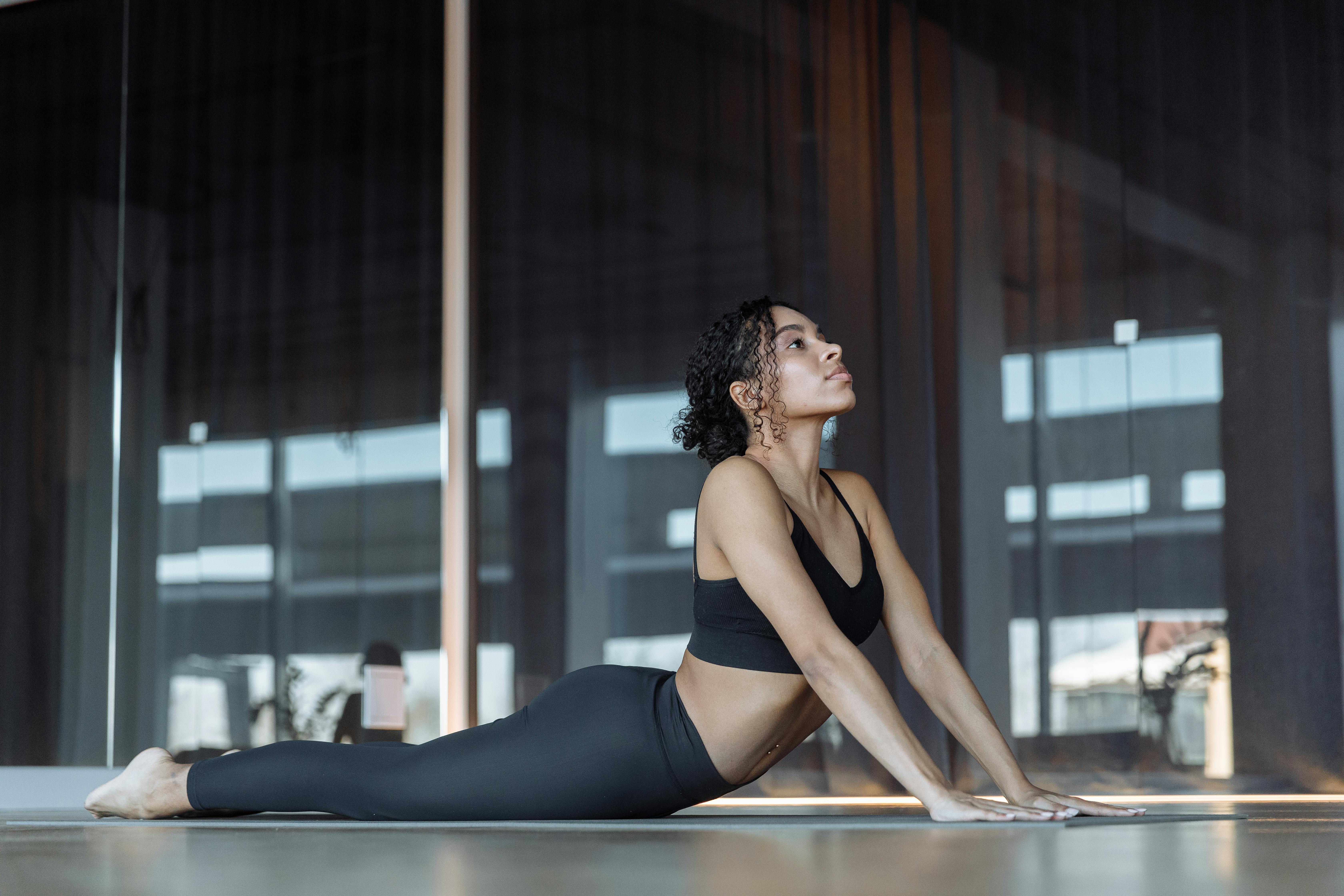
Unlock the profound power of breathwork in yoga for beginners. This in-depth guide explores the scientific benefits of pranayama, compares various learning options from studio classes to cutting-edge apps, and helps you determine if the investment in mastering your breath is truly "worth the price" for a healthier, calmer 2026 and beyond. Discover actionable tips and expert insights for your wellness journey.
Introduction to the Topic
In a world increasingly seeking solace and stability amidst accelerating change, ancient practices are finding new relevance. Among them, yoga, particularly its foundational element of breathwork, known as pranayama, has emerged as a beacon for mental and physical well-being. For newcomers to yoga, the sheer volume of styles, poses, and philosophies can be overwhelming. Yet, a growing consensus among wellness experts points to breathwork as the most accessible and impactful starting point.
But here's the burning question for many aspiring yogis: "Yoga for Beginners: Breathwork Poses – Worth the Price?" This isn't just about monetary cost; it encompasses the investment of time, effort, and commitment required to truly integrate these practices into daily life. In 2026, with a plethora of digital and in-person options available, understanding the true value proposition of learning breathwork becomes paramount. This article delves into the science, the practicalities, and the long-term returns on investing in the mastery of your own breath, guiding you through the landscape of choices to find what truly resonates with your health and wellness goals.
Backgrounds & Facts
The concept of pranayama, derived from Sanskrit words "prana" (life force or vital energy) and "ayama" (to extend or draw out), is an integral limb of classical yoga. Far from being merely the act of inhaling and exhaling, pranayama is a sophisticated system of breathing techniques designed to consciously control and direct the flow of prana within the body, influencing physiological and psychological states. While yoga postures (asanas) often receive more attention, ancient texts like the Hatha Yoga Pradipika emphasize that mastery of breath is key to controlling the mind and achieving higher states of consciousness.
Modern science has begun to rigorously validate these ancient claims. Research from institutions worldwide consistently demonstrates the profound impact of controlled breathing on the human body and mind:
- Stress Reduction & Cortisol Levels: Studies published in journals like the Journal of Clinical Psychiatry and Psychoneuroendocrinology have shown that regular pranayama practice can significantly reduce levels of the stress hormone cortisol, mitigating the body's 'fight or flight' response and promoting the parasympathetic 'rest and digest' system.
- Enhanced Respiratory Function: Techniques like Kapalabhati (Skull Shining Breath) and Nadi Shodhana (Alternate Nostril Breathing) improve lung capacity, strengthen respiratory muscles, and enhance oxygen uptake, benefiting individuals with conditions like asthma and COPD, as highlighted in the Indian Journal of Physiology and Pharmacology.
- Improved Cardiovascular Health: Regulated breathing can lower heart rate variability, reduce blood pressure, and improve overall cardiovascular efficiency, factors critical for preventing heart disease, as evidenced by findings in the Journal of Alternative and Complementary Medicine.
- Mental Clarity & Focus: By calming the nervous system and reducing mental chatter, breathwork enhances cognitive functions, including attention span, memory, and decision-making, a benefit explored in neuroscience research on mindfulness.
- Better Sleep Quality: Practices like Bhramari (Bee Breath) can induce a state of relaxation conducive to sleep, helping to combat insomnia and improve sleep architecture.
- Emotional Regulation: Conscious breathing provides a powerful tool for managing emotions, allowing individuals to respond to stressors with greater equanimity rather than reactivity.
For beginners, starting with breathwork offers a gentle yet powerful entry point into yoga. It requires minimal physical exertion, making it accessible to almost anyone, regardless of age, fitness level, or physical limitations. By focusing on breath first, beginners build a strong foundation of body awareness and mental control that will serve them well as they progress to more complex asanas or meditation practices. It's an investment in the most fundamental aspect of life itself – the breath – promising returns in every facet of well-being.
Expert Opinion / Analysis
"In 2026, the conversation around health has shifted dramatically. It's no longer just about treating illness, but proactively cultivating resilience," states Dr. Ananya Sharma, a physiotherapist and certified yoga therapist based in Bengaluru, India. "And at the heart of resilience lies the breath. I tell all my patients, especially those new to wellness practices, to start with pranayama. It's the ultimate biofeedback tool, instantly connecting you to your internal state."
The "price" of breathwork, according to experts, extends far beyond mere financial outlay. "The most significant investment is often time and consistency," explains Maya Rodriguez, a seasoned yoga instructor with studios in New York City and online platforms reaching a global audience. "People expect instant results, but breathwork is a practice. It's about showing up daily, even for just five or ten minutes, to cultivate awareness and retrain your nervous system. That consistent effort is where the real transformation happens."
Rodriguez further elaborates on the common pitfalls for beginners. "Many try to jump into complex techniques they see online without understanding the fundamentals. This can lead to hyperventilation, anxiety, or simply ineffective practice. The initial guidance, whether from an experienced teacher or a well-designed app, is invaluable for establishing correct form and understanding the nuances of each breath pattern. This foundational investment prevents frustration and ensures safety."
For individuals in the USA and India, the accessibility and cultural context around breathwork differ slightly. "In India, there's often a deeper inherent understanding and cultural acceptance of pranayama, making it easier for some to integrate," notes Dr. Sharma. "However, the challenge is often distinguishing authentic, traditional teachings from more commercialized versions. In the USA, the scientific validation is often the entry point, but the consistent practice can be harder to maintain amidst busy lifestyles."
Both experts agree that the "price" of proper instruction is a worthwhile one. "Think of it as learning any new skill, like playing a musical instrument," Maya Rodriguez suggests. "You wouldn't expect to master the piano without lessons. Your breath is an even more powerful instrument. Investing in proper guidance at the outset can save you months, if not years, of ineffective or potentially harmful self-practice. The return on investment is a calmer mind, a healthier body, and a more resilient spirit – benefits that are truly priceless."
Best Options in Comparison (VERY IMPORTANT)
Understanding that "worth the price" is subjective and dependent on individual needs, budget, and lifestyle, here's a breakdown of the best options for beginners looking to embark on their breathwork journey in 2026:
- Option 1: In-Person Studio Classes & Workshops
Description: Traditional yoga studios, wellness centers, and specialized workshops offer direct, hands-on instruction from certified teachers. Classes often range from general Hatha or Vinyasa (which integrate breathwork) to dedicated pranayama sessions. Workshops might focus on specific techniques or therapeutic applications.
Pros: Personalized feedback, immediate correction of form, community support, dedicated learning environment, accountability. Ideal for those who thrive with direct interaction and need guidance to avoid common beginner mistakes.
Cons: Highest monetary cost (monthly memberships, drop-in fees, workshop costs), fixed schedules, geographical limitations, potential for intimidation for complete beginners.
- Option 2: Online Subscription Platforms & Apps
Description: The digital wellness landscape has exploded, offering a vast array of subscription-based platforms (e.g., Glo, Peloton App, Down Dog) and dedicated breathwork apps (e.g., Calm, Headspace, Breathwrk, Othership). These provide guided audio/video sessions, structured courses, and sometimes personalized programs.
Pros: High flexibility (practice anytime, anywhere), often more affordable than in-person, wide variety of teachers and styles, privacy, ability to re-watch/re-listen to instructions. Many offer free trials.
Cons: Lack of immediate personalized feedback, requires self-discipline, potential for distraction, varying quality of instruction across platforms, reliance on technology.
- Option 3: Private Instruction
Description: One-on-one sessions with a certified yoga or breathwork coach, either in-person or virtually. These sessions are entirely tailored to your specific needs, goals, and current health status.
Pros: Most personalized and effective learning experience, rapid progress, direct addressing of individual challenges (e.g., specific health conditions, anxiety), flexible scheduling.
Cons: Highest monetary cost per session, finding a qualified and compatible instructor can take time.
- Option 4: Free Online Resources & Community Programs
Description: Platforms like YouTube are replete with free guided breathwork sessions. Many community centers, NGOs, and cultural organizations (especially prevalent in India) offer free or low-cost introductory yoga and breathwork sessions.
Pros: Absolutely no monetary cost, high accessibility, good for exploring different teachers and styles before committing financially.
Cons: Highly variable quality of instruction, no personalized feedback, difficult to build a structured progression, potential for misinformation or unsafe practices without guidance, less accountability.
To help you decide, here's a comparative table:
| Feature | In-Person Studio/Workshops | Online Platforms/Apps | Private Instruction | Free Online/Community |
|---|---|---|---|---|
| Cost (Beginner) | $$ (e.g., $100-200/month or $30-70/workshop) | $ - $ (e.g., $10-30/month) | $$ (e.g., $75-200+/hour) | Free - $ (e.g., $0-20/session) |
| Guidance Level | High (direct teacher interaction, corrections) | Medium (guided audio/video, no direct feedback) | Very High (tailored, real-time feedback) | Low - Medium (variable quality, no feedback) |
| Flexibility | Low (fixed schedules, travel time) | Very High (anytime, anywhere practice) | High (scheduled at convenience) | High (on-demand, but quality varies) |
| Community Aspect | Strong (in-person connections) | Limited (online forums, virtual groups) | N/A (one-on-one focus) | Variable (local groups, online comments) |
| Suitability for Beginners | Excellent (safe, structured learning) | Good (requires self-discipline) | Excellent (most personalized start) | Fair (best for exploration, not primary learning) |
Ultimately, the "best" option is one that aligns with your budget, learning style, and commitment level. Many beginners find a hybrid approach most effective: starting with a few in-person beginner workshops or private sessions to grasp the fundamentals, then transitioning to an online platform for consistent daily practice, and occasionally revisiting workshops for deeper dives.
Outlook & Trends
The trajectory for breathwork in wellness is undeniably upward. By 2026, we're seeing several key trends shaping its integration into daily life and healthcare:
- Mainstreaming in Healthcare: Physicians, therapists, and mental health professionals are increasingly prescribing breathwork as a complementary therapy for anxiety disorders, depression, chronic pain, and even post-traumatic stress. Expect to see more clinics offering guided breathwork sessions and insurance providers beginning to cover these interventions.
- Personalized & Biofeedback-Driven Breathwork: Wearable technology is evolving rapidly. Future breathwork apps will likely integrate real-time biofeedback from smartwatches and other sensors to offer highly personalized breathing exercises, adapting to your heart rate, stress levels, and sleep patterns for optimal results. Imagine an app that suggests Nadi Shodhana when your heart rate is elevated, or Bhramari when it detects restlessness before sleep.
- Corporate Wellness Integration: Companies are recognizing the direct link between employee well-being and productivity. Breathwork breaks, guided meditation pods, and stress-reduction workshops are becoming standard offerings in progressive workplaces, aiming to improve focus, reduce burnout, and foster a calmer work environment.
- Accessibility through AI & VR: Virtual reality platforms are beginning to offer immersive breathwork experiences, transporting users to calming digital environments. AI-powered coaches could soon provide personalized feedback on breathing patterns, mimicking human instruction more closely than current apps. This could significantly lower the barrier to entry for high-quality, personalized guidance.
- Global Blending of Traditions: While rooted in ancient Eastern practices, breathwork is increasingly being interpreted and adapted within Western psychological frameworks, leading to innovative hybrid approaches that blend traditional pranayama with modern cognitive behavioral techniques. This cross-pollination will make breathwork even more appealing to diverse audiences.
The future of breathwork is one of increased accessibility, scientific validation, and seamless integration into various aspects of life, moving from niche practice to a fundamental pillar of holistic health.
Conclusion
The question, "Yoga for Beginners: Breathwork Poses – Worth the Price?" finds a resounding affirmative answer. The investment, whether monetary, temporal, or simply in consistent effort, yields returns that far exceed the initial outlay. From reducing stress and improving lung function to enhancing mental clarity and emotional resilience, the scientific and anecdotal evidence overwhelmingly supports the transformative power of intentional breathwork.
For beginners, starting with breathwork is not just a gentle introduction to yoga; it's an intelligent investment in foundational well-being. By choosing the right learning path – be it a dedicated studio, a sophisticated app, personalized coaching, or even leveraging quality free resources – you equip yourself with a potent tool for navigating the complexities of modern life. In 2026, where chronic stress and mental health challenges are prevalent, the ability to consciously regulate your nervous system through breath is not a luxury, but a vital skill.
So, is it worth the price? Absolutely. The true cost of neglecting your breath is far higher than any class fee or app subscription. Embrace the journey of mastering your breath, and unlock a calmer, healthier, and more vibrant version of yourself. Your lungs, mind, and spirit will thank you.