
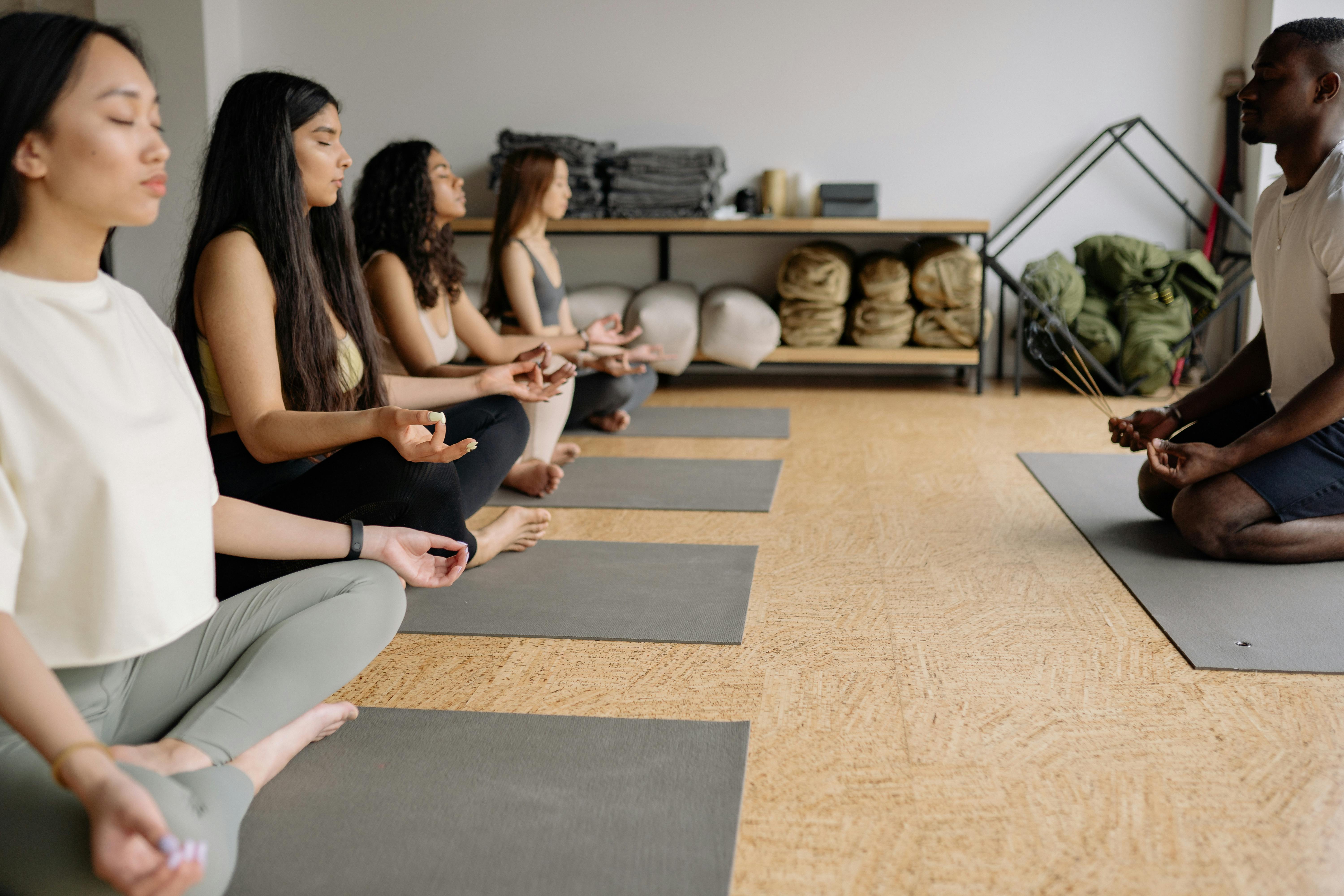
In a world increasingly grappling with mental health challenges, mindfulness emerges as a potent, science-backed solution for anxiety relief. Discover its physiological benefits, tangible ROI, and a comparative analysis of leading digital tools and structured programs for a calmer, more resilient you.
Introduction to the Topic
In 2026, the global landscape continues to evolve at an unprecedented pace, bringing with it both innovation and unique stressors. For millions in the USA, India, and across the globe, the pervasive shadow of anxiety has become a defining health concern. From the relentless demands of modern work culture to the constant barrage of digital information, our nervous systems are often on high alert, leading to a significant decline in overall well-being. But what if there was an accessible, non-pharmacological pathway to not just manage, but genuinely alleviate anxiety – a pathway backed by rigorous scientific inquiry and offering a clear "Return on Investment" for your mental and physical health?
Enter mindfulness. Far from a fleeting wellness trend, mindfulness is an ancient practice, meticulously refined and secularized, now standing as a cornerstone of modern mental health intervention. It's not about emptying your mind or achieving perpetual bliss; it's about cultivating a specific kind of awareness that profoundly alters your relationship with stress and anxiety. This article delves into the science behind mindfulness, exploring its measurable impact on the brain and body, dissecting its tangible benefits, and guiding you through the best contemporary options to integrate this transformative practice into your daily life.
Backgrounds & Facts
Mindfulness, at its core, is the practice of "paying attention in a particular way: on purpose, in the present moment, and non-judgmentally," a definition famously coined by Jon Kabat-Zinn, the founder of Mindfulness-Based Stress Reduction (MBSR). Originating from Buddhist meditative traditions, Kabat-Zinn’s work in the late 1970s brought mindfulness into mainstream Western medicine, secularizing its principles to make them accessible to a broader audience seeking relief from chronic stress and pain.
The prevalence of anxiety disorders remains alarmingly high in 2026. Data from the World Health Organization and national health surveys consistently show that anxiety disorders are among the most common mental health conditions worldwide, affecting an estimated 280 million people. In countries like the USA, anxiety disorders affect nearly 1 in 5 adults annually, while in India, studies indicate a significant rise in anxiety, particularly among younger demographics and urban populations, exacerbated by socio-economic pressures and the lingering effects of global health crises.
Neuroscience has provided compelling evidence for how mindfulness mitigates anxiety. When we experience anxiety, the brain's amygdala – often referred to as the "fear center" – becomes hyperactive, triggering the "fight or flight" response. This response involves the release of stress hormones like cortisol, activating the hypothalamic-pituitary-adrenal (HPA) axis. Chronic activation of this system leads to systemic inflammation, impaired immune function, and structural changes in the brain, including reduced gray matter in the prefrontal cortex, which is responsible for executive functions like decision-making, attention, and emotional regulation.
Mindfulness practices, however, have been shown to induce neuroplastic changes that counteract these effects. Functional MRI studies reveal that regular mindfulness meditation strengthens the prefrontal cortex, enhancing its ability to regulate the amygdala. This leads to reduced reactivity to stressors and improved emotional control. Furthermore, mindfulness has been linked to increased gray matter density in areas associated with self-awareness, compassion, and introspection, while simultaneously decreasing activity in the default mode network, which is often overactive in individuals prone to rumination and worry. The result is a calmer nervous system, a more balanced HPA axis, and a brain rewired for greater resilience and peace.
Expert Opinion / Analysis
"The ROI of mindfulness for anxiety relief isn't just anecdotal; it's a robustly documented phenomenon," states Dr. Anya Sharma, lead neuroscientist at the Institute for Mind-Body Wellness. "We're seeing quantifiable shifts in brain structure and function that translate directly into tangible benefits for individuals and even broader societal implications."
From a physiological perspective, the "return" on investing time in mindfulness is profound. Reduced amygdala reactivity and enhanced prefrontal cortex regulation mean fewer episodes of intense anxiety, a quicker return to baseline after stressful events, and a significant drop in cortisol levels. This translates to improved cardiovascular health, better sleep quality, and a strengthened immune system – all critical components of overall well-being that reduce the long-term burden on healthcare systems.
The psychological and behavioral ROI is equally compelling. Individuals who regularly practice mindfulness report:
- Enhanced Emotional Regulation: The ability to observe difficult emotions without being overwhelmed by them, leading to more thoughtful responses rather than reactive ones.
- Improved Focus and Productivity: Reduced mental clutter and enhanced attention span contribute to better performance in work and daily tasks. This is a direct benefit for employers seeking to foster a resilient and productive workforce.
- Stronger Relationships: Greater self-awareness and empathy foster healthier interactions with others, leading to more fulfilling personal and professional connections.
- Increased Resilience: Mindfulness builds an internal resource that helps individuals navigate life's inevitable challenges with greater equanimity and less susceptibility to stress-induced burnout.
- Reduced Healthcare Costs: By effectively managing anxiety, individuals may experience fewer stress-related physical symptoms, leading to fewer doctor visits, reduced reliance on medication, and a proactive approach to preventive health.
"It's a long-term investment, not a quick fix," Dr. Sharma emphasizes. "Like physical exercise, the benefits accumulate over time, building a foundation of mental and emotional strength that pays dividends across every aspect of life. For employers, this means a healthier, more engaged workforce. For individuals, it's reclaiming agency over their inner world."
Best Options in Comparison
Integrating mindfulness into your life doesn't require becoming a monk, but it does require consistent practice. Fortunately, in 2026, a wealth of resources exists, catering to different preferences, budgets, and lifestyles. Here, we compare two leading avenues for anxiety relief through mindfulness:
Option 1: Guided Meditation Apps (Digital Wellness)
Guided meditation apps have democratized access to mindfulness, making it easier than ever to start a practice from the comfort of your home. These platforms offer a vast library of guided meditations, sleep stories, breathing exercises, and mindfulness courses tailored for anxiety, stress, and focus.
Pros:
- Accessibility: Available 24/7 on your smartphone or tablet, allowing for flexibility in practice.
- Variety: A wide range of meditation styles, lengths, and themes to suit different needs and moods.
- Structured Programs: Many apps offer multi-day or multi-week courses designed to introduce mindfulness concepts progressively.
- Tracking & Community: Features to track progress, set reminders, and sometimes connect with a community.
- Cost-Effective: Many offer free introductory content, with premium subscriptions often being more affordable than in-person courses.
Cons:
- Subscription Costs: Premium features often require a monthly or annual fee.
- Information Overload: The sheer volume of options can sometimes be overwhelming.
- Lack of Personalization: While guided, they lack the direct feedback and personalized instruction of a live teacher.
- Potential for Distraction: Notifications or other app features can pull you away from the present moment.
Popular Examples in 2026:
- Calm: Renowned for its extensive library of meditations, sleep stories, and masterclasses. Calm.com
- Headspace: Offers a structured, progressive approach to mindfulness, making it ideal for beginners. Headspace.com
- Insight Timer: Features a vast free library of guided meditations from thousands of teachers, plus premium courses. InsightTimer.com
- Waking Up: A more philosophical and intellectually rigorous approach to mindfulness, offered by Sam Harris. WakingUp.com
Option 2: Mindfulness-Based Stress Reduction (MBSR) & Mindfulness-Based Cognitive Therapy (MBCT) Programs
These are evidence-based, structured group programs typically taught by certified instructors over 8 weeks. MBSR focuses on cultivating mindfulness to manage stress, pain, and illness, while MBCT integrates cognitive behavioral therapy techniques to specifically address recurrent depression and anxiety.
Pros:
- Evidence-Based Efficacy: Both programs have extensive research supporting their effectiveness for anxiety and other mental health conditions.
- Structured Curriculum: Provides a comprehensive and progressive learning experience, covering core mindfulness practices and principles in depth.
- Expert Guidance: Taught by highly trained and certified instructors who can provide personalized feedback and support.
- Group Support: The shared experience within a group setting can be incredibly validating and motivating.
- Deep Immersion: The weekly sessions and daily home practice foster a profound and lasting shift in one's relationship with stress.
Cons:
- Time Commitment: Requires a significant time investment (2-3 hours weekly sessions plus daily home practice for 8 weeks).
- Cost: Typically more expensive than app subscriptions, though scholarships may be available.
- Availability: Access depends on the presence of certified instructors and centers in your geographic area.
- Intensity: Can be challenging for individuals experiencing severe acute anxiety without additional therapeutic support.
Examples in 2026:
- Local university medical centers often host MBSR/MBCT programs.
- Dedicated mindfulness centers globally (e.g., The Center for Mindfulness in Medicine, Health Care, and Society).
- Online versions of MBSR/MBCT programs offered by certified institutions.
To help you decide, here's a comparative table:
| Feature | Guided Meditation Apps | MBSR/MBCT Programs | DIY Mindfulness Practices |
|---|---|---|---|
| Accessibility | High (smartphone/tablet) | Medium (requires certified instructor/center, some online options) | High (requires self-discipline) |
| Cost | Low to Medium (monthly/annual subscription) | High (program fees, but scholarships may be available) | Very Low (free resources, books) |
| Structure | Flexible, self-paced courses and individual meditations | Highly structured, 8-week curriculum with weekly sessions | Self-guided, requires personal discipline and resourcefulness |
| Evidence-Base | Growing, but individual apps vary; core principles are well-researched | Extremely strong (gold standard for mindfulness interventions) | Varies, dependent on consistency and quality of practice |
| Personalization | Limited (choose from library) | High (instructor feedback, group sharing) | High (tailored to individual needs) |
| Time Commitment | Flexible (5-60 min/day) | Significant (2-3 hrs/week + daily home practice for 8 weeks) | Flexible (can be integrated into daily life) |
| Best For | Beginners, busy individuals, exploring different styles, supplementary practice | Serious commitment to deep learning, chronic anxiety, clinical conditions, group support | Budget-conscious, self-starters, integrating micro-practices |
Outlook & Trends
The trajectory of mindfulness in 2026 points towards even greater integration across diverse sectors. We are witnessing a significant uptake in corporate wellness programs, with companies recognizing the direct link between employee well-being, reduced anxiety, and increased productivity. Mindfulness training is becoming a standard offering, often delivered through customized app partnerships or in-house certified trainers.
In healthcare, mindfulness is moving beyond supplementary therapy. We're seeing "prescribed mindfulness," where doctors recommend specific programs or apps as part of a holistic treatment plan for anxiety, chronic pain, and even certain cardiovascular conditions. The development of digital therapeutics (DTx) that incorporate mindfulness principles, often cleared by regulatory bodies, signifies a future where technology-driven, evidence-based mental health interventions are as common as traditional medications.
The rise of AI-powered mindfulness coaches and personalized programs is another exciting trend. These intelligent systems can adapt meditation content to a user's real-time emotional state, track physiological responses, and offer highly customized guidance, making mindfulness even more effective and tailored. This is particularly relevant for markets like India, where technological adoption for health solutions is rapidly expanding, merging traditional wisdom with cutting-edge AI.
Furthermore, mindfulness is being adapted for specific populations – from school-based programs teaching emotional regulation to children, to specialized interventions for veterans with PTSD, and tailored practices for the elderly to enhance cognitive function and reduce isolation. The concept of "micro-mindfulness" – integrating brief moments of mindful awareness into everyday activities like walking or eating – is also gaining traction, offering a practical solution for those with demanding schedules, ensuring that mindfulness remains accessible even in the busiest lives.
Conclusion
Anxiety, while a formidable challenge, is not an insurmountable one. Mindfulness, with its deep roots in ancient wisdom and its strong validation from modern science, offers a powerful, accessible, and highly effective pathway to relief. The "Return on Investment" is clear: not just a temporary reduction in symptoms, but a fundamental shift in your relationship with stress, leading to enhanced emotional resilience, improved health outcomes, and a richer, more present life. Whether through the convenience of a digital app, the structured depth of an MBSR program, or the quiet discipline of self-guided practice, the opportunity to cultivate a calmer, more mindful existence is within your reach. Begin your journey today, and invest in the most valuable asset you possess: your own well-being.