
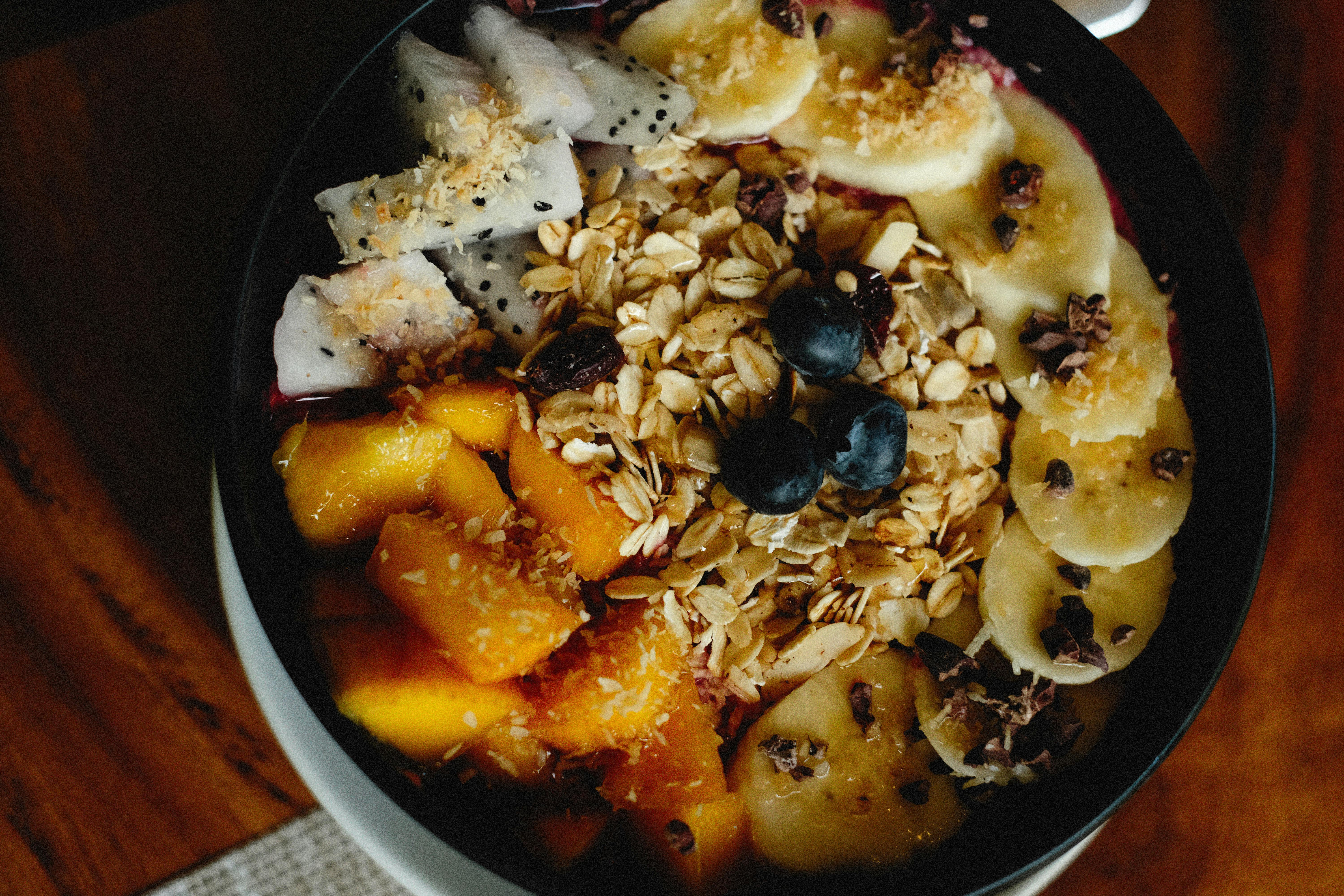
Discover the top budget-friendly superfoods for 2026, backed by science to boost your health and save you money. Learn how to integrate nutrient-dense, affordable options like lentils, oats, and cruciferous vegetables into your diet for optimal wellness amidst rising costs, with expert insights and practical comparisons for USA and India markets.
Introduction to the Topic
As we navigate the mid-2020s, the global economic landscape continues to present unique challenges. In 2026, inflation, supply chain fluctuations, and the ever-present desire for optimal health often feel like opposing forces. Many consumers in both the USA and India are seeking ways to maintain a high-quality, nutritious diet without breaking the bank. The good news? You absolutely can. Forget the notion that "superfoods" must be exotic, expensive, or flown in from distant lands. This year, the spotlight is firmly on accessible, science-backed powerhouses that deliver immense health benefits at a fraction of the cost.
At "Being Healthiest," we believe that wellness is a right, not a luxury. Our mission is to empower you with reliable, evidence-based information to make the best choices for your body and your wallet. This comprehensive guide will delve into the world of "cheap superfoods" – nutrient-dense staples that offer incredible value for money, supported by robust scientific research. We'll explore how these everyday heroes can bolster your immune system, improve gut health, enhance energy levels, and contribute to long-term disease prevention, all while helping you save significantly on your grocery bill in 2026.
Backgrounds & Facts
The term "superfood" has evolved considerably over the past decade. Historically, it conjured images of goji berries, açai bowls, or spirulina smoothies – often premium-priced ingredients marketed with grand claims. While many of these do offer nutritional benefits, the core definition of a superfood is simply a food exceptionally rich in nutrients and phytochemicals, considered beneficial for health and well-being. The critical distinction for 2026 is shifting focus from novelty to nutrient density and affordability.
Scientific consensus increasingly emphasizes the importance of a diverse, whole-food diet over reliance on single "miracle" ingredients. Research published in journals like the American Journal of Clinical Nutrition consistently highlights that the synergy of nutrients found in common fruits, vegetables, legumes, and whole grains provides superior health benefits compared to isolated compounds or expensive supplements. For instance, the fiber, vitamins, minerals, and antioxidants in a simple bowl of oats work together to support cardiovascular health and stable blood sugar in ways a single supplement cannot replicate.
Economic realities in 2026, particularly in regions like the USA and India, have made budget-conscious eating a necessity for many households. Food prices have seen sustained increases, making it crucial to identify staples that offer the most nutritional bang for your buck. This isn't about compromise; it's about smart choices. By focusing on seasonally available, locally sourced, and minimally processed foods, consumers can access an abundance of powerful nutrients without succumbing to the marketing hype surrounding overpriced alternatives. The shift towards sustainable eating also naturally aligns with choosing affordable, less resource-intensive options.
Expert Opinion / Analysis
"In 2026, the smartest approach to nutrition is often the simplest and most traditional," states Dr. Priya Sharma, a leading nutritionist and public health advocate based in Bengaluru, India, with extensive experience consulting for wellness brands in the USA. "My advice to clients, whether they're in Mumbai or Minnesota, is to look beyond the trendy headlines and focus on the bedrock of good nutrition: whole, unprocessed foods. Many of the 'superfoods' we champion today have been staples in various cultures for centuries, precisely because they are nutrient-dense, versatile, and affordable."
Dr. Sharma emphasizes that true superfoods are characterized by their high concentration of vitamins, minerals, antioxidants, and fiber relative to their caloric content and cost. "Take lentils, for example," she explains. "They are an incredible source of plant-based protein, dietary fiber, iron, and folate. For a few rupees or dollars, you get a meal that supports digestion, stabilizes blood sugar, and provides sustained energy. Compare that to some highly processed protein bars or exotic fruit powders, and the value proposition is clear."
She also highlights the importance of culinary versatility. "A food isn't truly 'cheap' if you don't know how to cook with it or if it goes to waste. The best affordable superfoods are those that can be easily incorporated into a variety of dishes, appealing to diverse palates. Oats can be a breakfast porridge, a baking ingredient, or even a binder in savory dishes. Cabbage can be stir-fried, fermented, or added to curries. This adaptability ensures consistent consumption and maximizes your investment in health."
Furthermore, Dr. Sharma points out that the environmental footprint of these traditional superfoods is often much lower than their exotic counterparts. "Choosing local, seasonal, and less resource-intensive foods like pulses and root vegetables not only saves you money but also supports planetary health – a crucial aspect of holistic wellness in 2026."
Best Options in Comparison (VERY IMPORTANT)
Here are our top picks for cheap superfoods in 2026, offering incredible health benefits and significant savings, suitable for both USA and Indian kitchens:
-
Lentils & Pulses (Dal)
Why they're super: Lentils, chickpeas, and other pulses are nutritional powerhouses. They are an exceptional source of plant-based protein, dietary fiber (both soluble and insoluble), iron, folate, magnesium, and potassium. Their high fiber content aids digestion, promotes satiety, and helps regulate blood sugar and cholesterol levels. The protein content makes them an excellent meat alternative, crucial for budget-conscious protein intake.
Why they're cheap: Pulses are one of the most affordable protein sources globally. They are typically sold dried, offering a long shelf life and incredible value per serving. In India, dal is a dietary staple, making it extremely cost-effective. In the USA, dried lentils and beans are readily available in bulk at very low prices.
Actionable advice: Incorporate lentils into soups, stews, salads, or make a hearty dal. Chickpeas can be roasted for a snack, pureed into hummus, or added to curries and stir-fries. A simple lentil soup can be a complete, nutrient-dense meal for pennies.
-
Oats (Rolled/Steel-Cut)
Why they're super: Oats are a whole grain champion, especially known for their high content of beta-glucan, a soluble fiber that has been extensively studied for its cholesterol-lowering effects and ability to improve gut health. They also provide complex carbohydrates for sustained energy, manganese, phosphorus, magnesium, and B vitamins. Oats are fantastic for cardiovascular health and help stabilize blood glucose.
Why they're cheap: Oats are consistently one of the most inexpensive whole grains available. Bulk purchases further reduce the cost, making them an unbeatable breakfast staple or ingredient for baking and cooking.
Actionable advice: Start your day with a bowl of oatmeal, topped with fruit or nuts. Use oat flour in baking, or add rolled oats to smoothies for extra fiber. They can also be used as a binding agent in veggie burgers or meatloaf.
-
Cabbage & Cruciferous Vegetables
Why they're super: Cabbage, along with its cruciferous cousins like broccoli, cauliflower, and kale (when on sale), is packed with vitamins C and K, folate, and powerful antioxidants and anti-inflammatory compounds like glucosinolates. These compounds have been linked to cancer prevention and detoxification processes. Cabbage is also a great source of fiber and surprisingly versatile.
Why they're cheap: Cabbage is typically one of the most affordable vegetables year-round in both the USA and India. It grows abundantly and stores well, making it a budget-friendly choice for adding bulk and nutrients to meals.
Actionable advice: Use cabbage in salads, stir-fries, soups, or fermented as sauerkraut or kimchi for added probiotic benefits. It can be a crunchy base for coleslaw or a hearty addition to curries and sabzis.
-
Eggs
Why they're super: Eggs are often called nature's multivitamin. They are one of the most complete and bioavailable sources of protein, containing all nine essential amino acids. Beyond protein, eggs are rich in choline (crucial for brain health), vitamin D, B vitamins, selenium, and lutein and zeaxanthin (important for eye health). Despite past controversies, current scientific consensus confirms eggs are a healthy and beneficial food for most people.
Why they're cheap: Compared to other animal protein sources, eggs remain remarkably affordable, offering a high-quality protein source at a low cost per serving. Their versatility also makes them a valuable kitchen staple.
Actionable advice: Enjoy eggs scrambled, boiled, poached, or as an omelet for breakfast, lunch, or even dinner. Add them to salads, sandwiches, or use them in baking and cooking for protein and binding.
-
Bananas
Why they're super: Bananas are more than just a convenient snack. They are an excellent source of potassium, essential for heart health and blood pressure regulation. They also provide vitamin B6, vitamin C, and dietary fiber. The type of fiber changes as they ripen, offering resistant starch in greener bananas (beneficial for gut health) and easily digestible sugars in riper ones (great for quick energy).
Why they're cheap: Bananas are one of the most widely available and affordable fruits globally. Their consistent pricing and year-round availability make them a go-to budget-friendly option for sweetness and nutrition.
Actionable advice: Eat them plain, slice them into oatmeal, blend into smoothies, or use overripe bananas for baking healthy muffins and breads. Frozen banana slices make excellent healthy 'nice' cream.
-
Turmeric & Ginger
Why they're super: While not a meal in themselves, these spices are potent superfoods. Turmeric contains curcumin, a compound with powerful anti-inflammatory and antioxidant properties, extensively studied for its potential benefits in conditions ranging from arthritis to cognitive health. Ginger is renowned for its anti-nausea effects, digestive aid, and anti-inflammatory compounds like gingerol.
Why they're cheap: Both turmeric and ginger roots are widely available and very affordable in both USA and Indian markets. A small piece goes a long way, providing significant health benefits for minimal cost.
Actionable advice: Add fresh or powdered turmeric to curries, soups, and smoothies. A pinch of black pepper enhances curcumin absorption. Use fresh ginger in teas, stir-fries, and marinades. A daily ginger-turmeric tea can be a simple, powerful health ritual.
To further illustrate the value, here’s a comparison table:
| Superfood | Primary Nutrients | Cost-Effectiveness (1-5, 5=Highest) | Availability (USA/India) | Key Health Benefits | Versatility |
|---|---|---|---|---|---|
| Lentils & Pulses | Protein, Fiber, Iron, Folate, Magnesium | 5 | Excellent / Excellent | Digestion, Blood Sugar, Heart Health, Satiety | Soups, Stews, Salads, Curries, Dips |
| Oats | Fiber (Beta-glucan), Manganese, Phosphorus, B Vitamins | 5 | Excellent / Excellent | Cholesterol Lowering, Gut Health, Sustained Energy | Porridge, Baking, Smoothies, Binders |
| Cabbage | Vitamins C & K, Folate, Glucosinolates, Fiber | 5 | Excellent / Excellent | Detoxification, Anti-inflammatory, Cancer Prevention | Salads, Stir-fries, Soups, Fermented Foods |
| Eggs | Complete Protein, Choline, Vit D, B Vitamins, Selenium | 4 | Excellent / Excellent | Muscle Building, Brain Health, Eye Health, Satiety | Breakfast, Baking, Salads, Main Dishes |
| Bananas | Potassium, Vit B6, Vit C, Fiber | 4 | Excellent / Excellent | Heart Health, Energy, Muscle Function, Digestion | Snacks, Smoothies, Baking, Desserts |
| Turmeric & Ginger | Curcumin, Gingerol, Antioxidants | 4 (per unit) | Excellent / Excellent | Anti-inflammatory, Antioxidant, Digestive Aid | Spices, Teas, Curries, Marinades |
Outlook & Trends
Looking ahead to the rest of 2026 and beyond, the emphasis on affordable, sustainable, and nutrient-dense eating is only set to grow. We anticipate several key trends that will make "cheap superfoods" even more accessible and integrated into mainstream diets:
- Community-Supported Agriculture (CSA) and Local Markets: A resurgence in direct-from-farm purchasing will continue to offer consumers fresh, seasonal produce at competitive prices, cutting out middleman costs. This trend is gaining traction in both urban and rural areas, fostering local economies and reducing carbon footprints.
- Bulk Buying & Co-ops: More consumers are recognizing the savings potential in buying staples like grains, lentils, and nuts in bulk. The rise of food co-operatives and online bulk retailers will make these options more convenient and widespread.
- Smart Kitchen Tech & AI for Budgeting: Expect more sophisticated grocery apps and AI-powered meal planners that can suggest recipes based on current sales, seasonal availability, and your budget, optimizing your cheap superfood intake.
- Home Gardening & Vertical Farming: With advancements in urban gardening and affordable vertical farming kits, growing your own herbs, leafy greens, and even some vegetables will become more feasible for apartment dwellers and suburban homes, ensuring fresh, hyper-local superfoods at virtually no cost.
- Increased Awareness of Culinary Heritage: A deeper appreciation for traditional, regional cuisines in both the USA and India will highlight existing cheap superfoods that have been part of healthy diets for generations, moving away from exotic food fads.
The future of being healthiest is intertwined with smart, sustainable, and cost-effective eating. The tools and knowledge to achieve this are becoming increasingly available, empowering individuals to take control of their nutritional well-being without financial strain.
Conclusion
In 2026, achieving optimal health doesn't require a premium price tag or an exclusive health food store membership. The true power of superfoods lies not in their exotic origins but in their exceptional nutrient density, affordability, and accessibility. By embracing the humble yet mighty options like lentils, oats, cabbage, eggs, bananas, and potent spices like turmeric and ginger, you can build a diet that is rich in vitamins, minerals, fiber, and antioxidants, all while being kind to your budget.
These science-backed heroes offer tangible benefits, from boosting your immune system and supporting heart health to improving digestion and providing sustained energy. They are versatile, easy to incorporate into diverse culinary traditions, and readily available across the USA and India. Making these smart choices is not just about saving money; it's about making a conscious investment in your long-term health and well-being, proving that the path to being healthiest is indeed within everyone's reach. Start integrating these cheap superfoods into your daily routine today and experience the profound benefits for both your body and your bank account.