
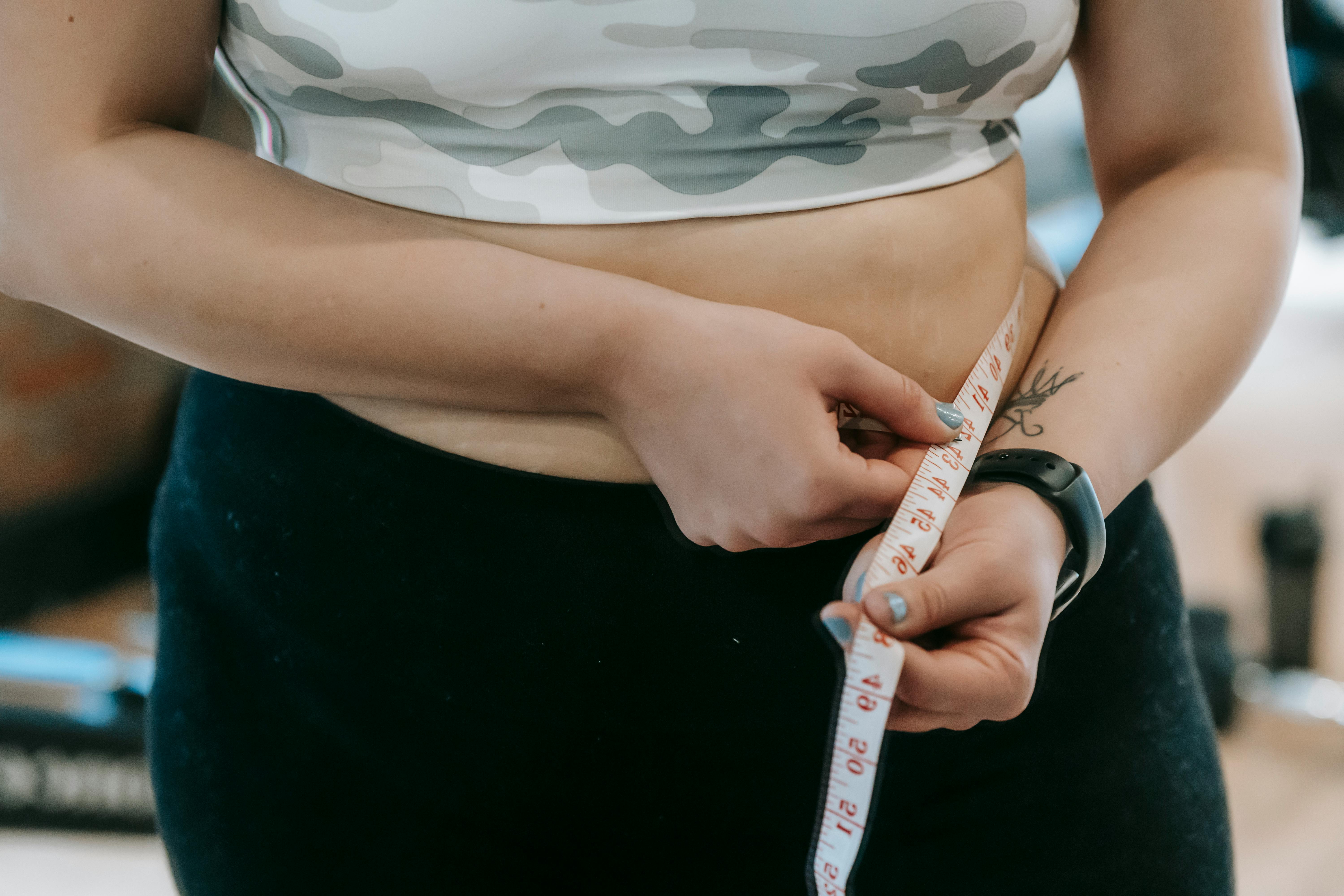
Unlocking the secrets to a leaner, healthier you in 2026. This comprehensive guide dissects effective home-based belly fat loss strategies, comparing the latest tools, technologies, and programs. Discover evidence-based approaches, expert insights, and a detailed cost analysis to help you achieve your wellness goals without breaking the bank. Focus on visceral fat reduction, sustainable habits, and smart investments for optimal health.
Introduction to the Topic
In the evolving landscape of health and wellness, one challenge remains persistently common for millions across the globe: stubborn belly fat. Beyond aesthetic concerns, abdominal obesity, particularly the accumulation of visceral fat around your organs, is a critical health indicator linked to a heightened risk of type 2 diabetes, heart disease, certain cancers, and metabolic syndrome. As we navigate 2026, the emphasis on proactive health management has never been stronger, and the home environment has emerged as a powerful hub for achieving significant wellness transformations.
The past few years have witnessed a dramatic shift towards personalized, accessible, and often technology-driven solutions for fitness and nutrition, right from the comfort of your living room. No longer are expensive gym memberships or exclusive clinic programs the sole pathways to effective fat loss. Today, an array of innovative home-based strategies promises tangible results, making health goals more attainable for busy individuals and those seeking privacy or cost-efficiency.
But with so many options available – from AI-powered coaching apps and smart fitness equipment to specialized meal services and evidence-backed supplements – how do you discern what truly works and what offers the best value for your investment? This comprehensive guide from "Being Healthiest" cuts through the noise. We'll explore the science behind belly fat loss, present expert analysis on effective strategies, and, crucially, compare the financial implications of the leading home-based solutions in 2026, empowering you to make informed decisions on your journey to a healthier, leaner future.
Backgrounds & Facts
Understanding belly fat is the first step towards effectively combating it. Not all fat is created equal. We primarily distinguish between two types of abdominal fat: subcutaneous fat and visceral fat. Subcutaneous fat is the visible, pinchable fat just beneath your skin. While excess subcutaneous fat can be aesthetically displeasing, it is generally considered less harmful than its deeper counterpart.
Visceral fat, on the other hand, is the dangerous hidden enemy. It’s the fat that accumulates around your internal organs – your liver, pancreas, intestines – and is metabolically active. This means it releases inflammatory compounds and hormones that can disrupt normal bodily functions. High levels of visceral fat are strongly correlated with insulin resistance, leading to type 2 diabetes; increased blood pressure and cholesterol, contributing to heart disease; and systemic inflammation, which is a precursor to numerous chronic conditions, including certain cancers and strokes. Measuring waist circumference (over 35 inches for women, 40 inches for men, often lower for Asian populations) is a good preliminary indicator, but advanced diagnostics like DEXA scans or MRI offer more precise measurements of visceral fat levels.
The primary drivers of excess belly fat are multifaceted. A diet rich in refined carbohydrates, added sugars, and unhealthy fats is a major culprit, often leading to calorie surplus and insulin spikes that promote fat storage around the midsection. A sedentary lifestyle, characterized by prolonged sitting and lack of physical activity, further exacerbates the problem by reducing calorie expenditure and muscle mass. Chronic stress, through the release of cortisol, can directly promote visceral fat accumulation. Poor sleep quality and duration disrupt hunger-regulating hormones like ghrelin and leptin, often leading to increased appetite and cravings. Genetics also play a role in fat distribution, though lifestyle choices remain paramount in mitigating genetic predispositions. Hormonal changes, particularly during menopause for women, can also influence where fat is stored.
The fundamental principle of fat loss, including belly fat, revolves around creating a sustainable calorie deficit – consuming fewer calories than your body expends. However, the quality of these calories and the type of physical activity are crucial. High-intensity interval training (HIIT), strength training, and consistent moderate-intensity cardio have all shown efficacy in targeting visceral fat. Furthermore, strategies that reduce inflammation, manage stress, and improve sleep quality are integral components of a holistic belly fat reduction plan. In 2026, the accessibility of data from wearables and smart devices, coupled with personalized digital coaching, offers unprecedented opportunities to track these factors and tailor interventions for optimal results at home.
Expert Opinion / Analysis
"In 2026, the conversation around belly fat has thankfully moved beyond just aesthetics to a deeper understanding of metabolic health," states Dr. Anya Sharma, a leading Metabolic Health Specialist based in California, USA. "My primary concern is always visceral fat. It's a silent threat. The good news is, it's also highly responsive to lifestyle interventions. We're seeing incredible advancements in home-based solutions that empower individuals to take control."
Dr. Sharma emphasizes the critical role of a multi-pronged approach. "There's no single magic bullet. Effective belly fat reduction requires a synergy of thoughtful nutrition, consistent physical activity, adequate sleep, and effective stress management. What's exciting now is how technology can help integrate these elements seamlessly into daily life. AI-driven platforms can analyze your sleep patterns, activity levels, and even dietary inputs to provide hyper-personalized recommendations, making adherence far easier than ever before." She cautions against 'quick-fix' supplements or extreme diets. "Sustainability is key. Any program that promises rapid, effortless results is likely unsustainable and potentially harmful. Focus on building habits you can maintain for life."
Echoing this sentiment from Bengaluru, India, Dr. Rohan Patel, a renowned Preventive Cardiologist, highlights the global relevance of addressing belly fat. "In India, we're seeing an alarming rise in metabolic diseases, often fueled by changes in diet and increasingly sedentary lifestyles. The affordability and convenience of home-based interventions are particularly crucial here. Access to quality health information and actionable tools, even on a budget, can make a profound difference."
Dr. Patel stresses the importance of understanding individual needs. "What works for one person may not work for another. Genetic predispositions, cultural dietary norms, and individual stress factors all play a part. In 2026, we have access to more sophisticated biometric data through wearables that can give us insights into metabolic responses to different foods or exercises. This data, when interpreted correctly by a virtual coach or integrated AI, allows for truly personalized plans. For instance, some individuals might benefit more from a low-carb approach, while others thrive on time-restricted eating, all trackable and optimizable from home."
Both experts agree that while technology is a powerful enabler, human agency remains paramount. "Technology is a tool, not a substitute for discipline and commitment," Dr. Sharma concludes. "It provides data, guidance, and motivation, but ultimately, the choice to move more, eat better, and prioritize self-care rests with the individual. The best home loss strategy in 2026 is one that combines cutting-edge tools with a deep personal commitment to long-term health."
Best Options in Comparison (VERY IMPORTANT)
Navigating the myriad of home-based belly fat loss solutions in 2026 can be daunting. To help you make an informed decision, we've analyzed the most effective and popular categories, comparing their features, benefits, and crucial costs for both USA and India markets.
-
Integrated Digital Wellness Platforms & AI Coaching
These platforms leverage advanced AI and machine learning to offer highly personalized diet and exercise plans. They often integrate with smart wearables (like the latest generation of health trackers from "FitSense" or "BioSync") to collect real-time data on activity, sleep, heart rate variability, and even stress levels. The AI then adapts your program dynamically. Many include access to virtual nutritionists or fitness coaches for periodic check-ins and motivation.
Key Features: Personalized meal plans, AI-driven workout routines (often video-guided), biometric data integration, progress tracking, behavioral psychology modules, virtual community access, optional live coaching.
Examples: Metabolix AI, HolisticFit 360, HealthOS Pro.
-
Home Fitness Equipment & Structured Programs
This category encompasses dedicated fitness equipment designed for home use, often paired with subscription-based workout content. Think smart treadmills, connected bikes, or comprehensive home gym systems that offer interactive classes and personalized training sessions. These solutions provide a structured exercise environment without the need to leave your house.
Key Features: High-quality, durable equipment, immersive workout experiences (HD screens, virtual environments), live and on-demand classes, performance metrics tracking, sometimes integrated with body composition analysis tools.
Examples: SmartCycle Pro (connected bike), FlexFit Home Gym (multi-functional smart gym), AuraStride Smart Treadmill.
-
Nutrition-Focused Meal Kits & Evidence-Based Dietary Supplements
For those who struggle with meal planning and preparation, these services deliver pre-portioned, healthy ingredients or fully prepared meals tailored to specific dietary goals (e.g., low-carb, high-protein, Mediterranean). When combined with carefully selected, evidence-backed supplements (like quality protein powders, fiber supplements, omega-3s, or specific probiotics known to support gut health and metabolism), this approach can significantly streamline dietary adherence.
Key Features: Convenience, portion control, diverse menu options, high-quality ingredients, often customizable based on dietary preferences or health goals. Supplements focused on metabolic support, satiety, or nutrient gaps.
Examples: NutriFuel Home (meal delivery), LeanPlate Global (ingredient kits), ProBioGut (probiotic brand), OptiWhey Protein.
-
Low-Cost DIY & Community Support
This approach emphasizes leveraging free or very affordable resources. It includes utilizing free fitness apps (like the basic tiers of "MyFitnessPal" or "Nike Training Club"), public parks for outdoor activities, home cooking with fresh, seasonal ingredients bought from local markets, and participating in online support groups or community challenges. It requires a higher degree of self-discipline but is highly accessible.
Key Features: Minimal financial outlay, flexibility, focus on fundamental lifestyle changes, community motivation, reliance on self-education and discipline.
Examples: Free workout apps, public jogging tracks, local farmers' markets, online health forums, self-guided meditation apps.
| Category | Initial Cost (2026 Est. USA/India) | Monthly/Annual Recurring Cost (2026 Est. USA/India) | Key Features & Tools | Pros | Cons | Best Suited For |
|---|---|---|---|---|---|---|
| Integrated Digital Wellness Platforms & AI Coaching | $50-300 / ₹4,000-25,000 (for wearables/initial setup) | $20-80/month / ₹1,500-6,000/month | AI-personalized plans, biometric integration, virtual coaching, behavioral insights, community. | Highly personalized, data-driven, convenient, holistic approach, strong accountability. | Ongoing subscription costs, reliance on tech, data privacy concerns, potential for 'subscription fatigue'. | Tech-savvy individuals, those needing structured guidance, busy professionals. |
| Home Fitness Equipment & Structured Programs | $500-3000+ / ₹40,000-2,50,000+ (for equipment) | $15-60/month / ₹1,200-5,000/month (for content) | Smart bikes/treadmills/gyms, immersive screens, live/on-demand classes, performance tracking. | Dedicated exercise space, highly motivating classes, durable asset, convenience. | High initial investment, requires significant space, can become monotonous if not varied. | Fitness enthusiasts, those motivated by group classes, individuals with ample home space. |
| Nutrition-Focused Meal Kits & Evidence-Based Dietary Supplements | $0-100 / ₹0-8,000 (for initial supplements/trial kits) | $200-600/month / ₹15,000-45,000/month (for meals) + $30-100/month / ₹2,500-8,000/month (for supplements) | Pre-portioned meals/kits, dietary customization, high-quality ingredients, targeted supplements. | Ultimate convenience, portion control, reduces decision fatigue, ensures balanced nutrition. | Highest ongoing cost, less flexibility with food choices, environmental impact of packaging. | Busy individuals, those struggling with meal prep, people needing strict dietary adherence. |
| Low-Cost DIY & Community Support | $0-20 / ₹0-1,500 (for basic equipment like resistance bands) | $0-20/month / ₹0-1,500/month (for fresh produce, occasional paid app features) | Free apps, public resources, home cooking, online forums, walking/jogging. | Extremely affordable, highly flexible, promotes self-reliance, sustainable. | Requires high self-discipline, less personalized guidance, slower progress for some. | Budget-conscious individuals, highly self-motivated people, those preferring outdoor activities. |
Outlook & Trends
The future of home-based belly fat loss and overall wellness is incredibly dynamic and promising. Looking towards the latter half of the decade, several key trends are set to reshape how we approach health from home.
Hyper-Personalization through Genomics and Microbiome Analysis: Expect to see more widespread and affordable testing that analyzes your unique genetic makeup and gut microbiome. This data will be integrated into AI wellness platforms, offering truly bespoke diet plans (e.g., "your body metabolizes carbs differently based on this gene variant") and exercise recommendations, along with targeted probiotic or prebiotic suggestions for optimal gut health, directly impacting metabolic function and visceral fat.
Advanced Biometric Feedback & Predictive Health: Wearable technology will become even more sophisticated, moving beyond basic activity tracking to continuous monitoring of blood glucose (non-invasively), stress hormones, and even early indicators of inflammation. AI will not only react to current data but also predict potential health issues or plateaus, offering preventative interventions before problems arise.
Immersive & Gamified Fitness: Virtual Reality (VR) and Augmented Reality (AR) will increasingly blend with home workouts. Imagine exercising in a virtual world, competing with avatars, or having a holographic personal trainer guide you through movements. Gamification will make consistency more engaging, turning routine workouts into exciting challenges with tangible rewards.
Mental Wellness Integration: The undeniable link between stress, sleep, and belly fat will lead to more integrated platforms that offer not just physical exercise and nutrition but also AI-guided meditation, personalized sleep coaching, and stress reduction techniques. These holistic approaches will recognize that mental well-being is a cornerstone of metabolic health.
Sustainable & Ethical Wellness: As environmental consciousness grows, consumers will increasingly seek out wellness products and services that are not only effective but also sustainable and ethically sourced. This will influence choices in meal kit providers, supplement brands, and even the manufacturing processes of home fitness equipment, favoring brands with transparent supply chains and eco-friendly practices.
Telehealth & Virtual Consultations: While not strictly "home loss," the ease of access to virtual consultations with dietitians, doctors, and specialists will continue to grow, offering professional oversight and adjustments to home-based programs without the need for in-person visits. This is particularly impactful for populations in remote areas or those with limited access to specialized care.
These trends point towards a future where health management is more personalized, proactive, engaging, and seamlessly integrated into our daily lives, making the goal of a healthier, leaner physique more achievable than ever before.
Conclusion
The journey to reducing belly fat in 2026 is no longer a solitary or prohibitively expensive endeavor. The landscape of home-based solutions offers an unprecedented array of tools, technologies, and programs designed to fit diverse needs, budgets, and lifestyles. From the cutting-edge personalization of AI-driven wellness platforms to the foundational principles of low-cost DIY approaches, there's an effective pathway for everyone.
The critical takeaway, reinforced by expert opinion and scientific evidence, remains consistency and a holistic approach. No single product or program can substitute for the fundamental pillars of health: a balanced, nutrient-dense diet, regular physical activity (combining cardio, strength, and flexibility), adequate sleep, and effective stress management. The best home loss strategy is one that empowers you to build and maintain these healthy habits sustainably over time.
When considering your options, weigh the initial and recurring costs against the features, level of personalization, and accountability each solution offers. For those seeking maximum guidance and data-driven insights, integrated digital platforms or home fitness equipment with subscription content might be ideal, despite higher costs. For individuals prioritizing convenience and structured nutrition, meal kits and targeted supplements can be transformative. And for the self-motivated and budget-conscious, leveraging free resources and community support proves that significant progress is achievable with minimal financial outlay.
Ultimately, investing in belly fat reduction is an investment in your long-term health, mitigating risks of serious chronic diseases and enhancing your quality of life. By understanding the science, exploring the options, and committing to sustainable changes, you can effectively tackle belly fat from the comfort and convenience of your home in 2026 and beyond. Consult with a healthcare professional before embarking on any new diet or exercise regimen to ensure it's appropriate for your individual health needs.