
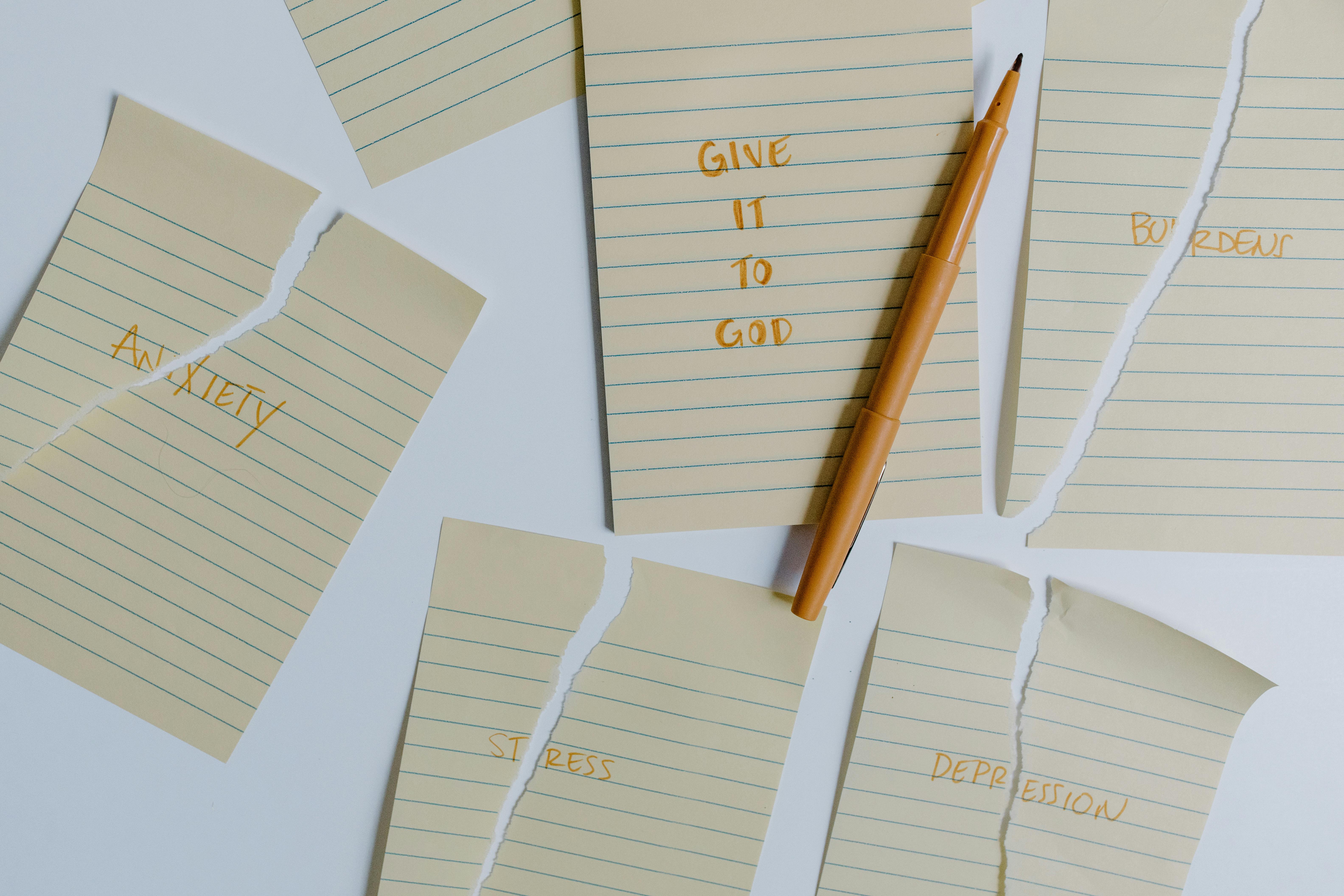
Discover affordable, evidence-based self-help therapy options for managing anxiety in 2026. This guide details cost-effective digital tools, community support, and structured resources for enhanced mental wellness and stress relief, maximizing your health RPM.
Introduction to the Topic
In the bustling landscape of 2026, where the pace of life seems to accelerate with each passing year, anxiety remains a pervasive challenge for millions across the globe, from the tech hubs of Bengaluru to the bustling cities of New York. While awareness around mental health has significantly improved, the accessibility and affordability of professional therapy continue to be significant barriers for many. Traditional therapy, though invaluable, often comes with a hefty price tag and long waiting lists, leaving countless individuals feeling overwhelmed and without immediate recourse.
But what if cultivating a calmer, more resilient mind didn't require breaking the bank or navigating complex healthcare systems? The good news is that advancements in digital health, combined with a deeper understanding of psychological principles, have opened up a new frontier: affordable self-help therapy options for anxiety. This isn't about replacing professional care, but rather empowering individuals with evidence-based tools and strategies they can integrate into their daily lives. In this 2026 guide, we explore the most effective and budget-friendly pathways to managing anxiety, offering practical, actionable advice designed to improve your mental wellness and overall quality of life.
Backgrounds & Facts
Anxiety disorders are among the most common mental health conditions worldwide. According to the World Health Organization, an estimated 284 million people experienced an anxiety disorder in 2023, with projections for 2026 showing continued prevalence, particularly among younger demographics and those navigating economic uncertainties. In the United States, approximately 19.1% of adults experience an anxiety disorder each year, while in India, studies suggest that around 15-20% of the population struggles with some form of mental health issue, with anxiety being a leading concern. The economic burden is substantial, not just for individuals but for healthcare systems and economies globally, due to lost productivity and direct treatment costs.
The cost of traditional therapy, such as weekly sessions with a licensed psychologist or psychiatrist, can range from $100 to $250 per hour in the USA, and while more affordable in India, it can still be a significant financial strain. Insurance coverage varies widely and often doesn't cover the full cost, leading many to forgo essential care. This financial barrier, coupled with the lingering stigma around mental health in some societies, creates a critical need for accessible, low-cost alternatives.
Enter the era of self-help therapy. Driven by research validating the effectiveness of techniques like Cognitive Behavioral Therapy (CBT), mindfulness, and relaxation exercises, numerous resources have emerged. The digital revolution has democratized access to these tools, bringing them directly to our smartphones and computers. For many, self-help serves as a crucial first step, a complementary approach to professional therapy, or a sustainable long-term strategy for maintaining mental equilibrium. The key is to identify options that are not only affordable but also rooted in scientific evidence, ensuring you invest your time and energy wisely in strategies that truly work.
Expert Opinion / Analysis
"The mental wellness landscape in 2026 is characterized by a fascinating duality: increasing awareness alongside persistent access challenges," notes Dr. Anya Sharma, a renowned clinical psychologist and director of the Digital Mental Health Institute. "While traditional therapy remains the gold standard for severe or complex cases, we've seen an undeniable surge in the efficacy and sophistication of self-help resources. For mild to moderate anxiety, or as a proactive wellness strategy, these options are not just viable; they're transformative."
Dr. Sharma emphasizes that the power of self-help lies in its ability to empower individuals. "Many self-help approaches are built upon the same foundational principles as face-to-face therapy, particularly Cognitive Behavioral Therapy (CBT) and Mindfulness-Based Stress Reduction (MBSR). CBT helps individuals identify and challenge unhelpful thought patterns and behaviors contributing to anxiety, while MBSR teaches present-moment awareness and acceptance, reducing reactivity to stressors."
The expert highlights several critical factors for successful self-help: "Firstly, look for resources that are evidence-based. This means they've been studied and shown to be effective. Secondly, consistency is key; like any skill, managing anxiety takes practice. Thirdly, understand that self-help is not a substitute for professional diagnosis or treatment when anxiety significantly impairs daily functioning. It's a powerful tool in your wellness arsenal, often best utilized under the guidance of a professional or as a bridge to more intensive support."
She also points to the growing role of artificial intelligence (AI) in personalized self-help. "In 2026, AI-driven platforms can offer tailored recommendations, track progress with greater nuance, and even provide conversational support, making self-help feel less isolating and more personalized. This personalization is crucial for engagement and effectiveness, helping users stick to their wellness plans and adapt strategies as their needs evolve."
Best Options in Comparison (VERY IMPORTANT)
Navigating the myriad of self-help options can be daunting. To simplify your journey, we've curated a list of the most effective and affordable anxiety management strategies available in 2026, focusing on accessibility and evidence-based practices.
-
Digital CBT & Mindfulness Apps (Freemium/Subscription)
These apps have become a cornerstone of accessible mental wellness, offering structured programs, guided meditations, and interactive tools directly on your smartphone. Many operate on a freemium model, providing basic features for free and premium content through a subscription.
- Key Features: Guided meditations, breathing exercises, CBT modules, mood tracking, journaling prompts, sleep stories, biofeedback integration (with compatible wearables).
- Benefits: Highly accessible, convenient for daily practice, often engaging and user-friendly, privacy-focused, and many are evidence-backed. Several apps now integrate AI for personalized content delivery based on user input and progress.
- Examples (2026 relevance):
- Calm & Headspace: Still industry leaders, offering extensive libraries of guided meditations, sleep aids, and mindfulness courses. They often partner with employers and health plans, making premium subscriptions accessible.
- Woebot Health: An AI-powered chatbot that delivers CBT techniques in a conversational format. Its effectiveness is backed by clinical trials, offering immediate, anonymous support.
- Sanvello: Combines CBT tools, meditation, mood tracking, and peer support. It's often covered by insurance or available through employer wellness programs, reducing out-of-pocket costs.
- Moodgym (Australia-based, globally accessible): An interactive online program based on CBT principles, often free or very low cost.
- Cost: Free for basic versions; premium subscriptions typically range from $5-$15 USD per month or $50-$100 USD annually. Look for student discounts, employer benefits, or health insurance partnerships.
-
Online Support Communities & Peer Groups
Connecting with others who understand your struggles can be incredibly validating and empowering. Online communities provide a safe, anonymous, and often free space to share experiences, gain insights, and offer mutual support.
- Key Features: Discussion forums, moderated chat groups, virtual meetups, shared coping strategies, personal stories, resource sharing.
- Benefits: Reduces feelings of isolation, offers diverse perspectives, provides emotional support, can be a source of practical advice from lived experience, and is generally free.
- Examples (2026 relevance):
- Anxiety & Depression Association of America (ADAA) Online Community: A highly moderated forum connecting individuals with anxiety and depression.
- National Alliance on Mental Illness (NAMI) Online Discussion Groups: Offers peer-led support and educational resources.
- Specialized Subreddits (e.g., r/Anxiety, r/Meditation): While not professionally moderated, these can offer vast communities for sharing and learning, requiring user discretion.
- Local Virtual Peer Support Groups: Many non-profits and community centers offer free or low-cost virtual groups, often found via local mental health directories.
- Cost: Primarily free. Some specialized groups or platforms might have a nominal membership fee.
-
Evidence-Based Self-Help Books & Workbooks (Digital/Physical)
For those who prefer a structured, self-paced learning approach, well-researched books and workbooks offer comprehensive guides to understanding and managing anxiety using therapeutic techniques.
- Key Features: Psychoeducation, guided exercises, journaling prompts, step-by-step therapeutic programs (e.g., CBT, ACT, Mindfulness), printable worksheets.
- Benefits: Deep dive into therapeutic concepts, self-paced learning, reusable resources, often more affordable than digital subscriptions in the long run.
- Examples (2026 relevance):
- "Feeling Good: The New Mood Therapy" by David D. Burns: A classic CBT workbook continuously updated, offering practical exercises for depression and anxiety. Available in e-book and physical formats.
- "The Anxiety and Phobia Workbook" by Edmund J. Bourne: A comprehensive guide with exercises for various anxiety disorders, regularly updated with new research.
- "Mindfulness-Based Stress Reduction Workbook" by Bob Stahl and Elisha Goldstein: Provides a structured 8-week program for cultivating mindfulness.
- Open-Access University Resources: Many universities now offer free online courses or downloadable workbooks based on their research (e.g., some from Oxford University's MoodGYM initiatives).
- Cost: $10-$30 USD for a physical or e-book; often available for free from local libraries or through inter-library loan programs.
-
Low-Cost Telehealth Platforms with Self-Guided Modules
While not purely self-help, these platforms offer a hybrid model, combining self-guided resources with the option for more affordable, limited access to licensed professionals. They bridge the gap between pure self-help and traditional therapy.
- Key Features: Curated libraries of self-help content, psychoeducational videos, interactive exercises, optional messaging with a therapist, group therapy sessions.
- Benefits: More structured than apps, potential for professional oversight at a reduced cost, convenient access to a range of resources.
- Examples (2026 relevance):
- BetterHelp/Talkspace (with financial aid/discounts): While standard subscriptions can be pricey, these platforms often offer significant financial aid, student discounts, or corporate partnerships, making them more accessible. They provide access to licensed therapists alongside self-help content.
- Open Path Collective: Connects individuals with mental health professionals who offer sessions at a reduced fee ($30-$80 USD) for those with limited income or no insurance. While not self-help, it's an affordable therapy option that can complement self-help.
- Specific Employer-Sponsored EAPs (Employee Assistance Programs): Many companies now provide free or low-cost access to mental health apps and limited therapy sessions through EAPs.
- Cost: Varies widely; with financial aid or EAP, can be free to $30-$80 USD per session/month, significantly less than traditional therapy.
| Option | Typical Cost (2026) | Key Features | Evidence-Base | Best For |
|---|---|---|---|---|
| Digital CBT & Mindfulness Apps | Free (basic), $5-$15/month (premium) | Guided meditations, CBT exercises, mood tracking, AI chatbots. | Strong (CBT, MBSR principles). | Daily practice, mild-moderate anxiety, tech-savvy users. |
| Online Support Communities & Peer Groups | Mostly Free | Forums, chat groups, virtual meetups, shared experiences. | Good (social support, reduced isolation). | Seeking connection, empathy, diverse perspectives, reducing isolation. |
| Self-Help Books & Workbooks | $10-$30 (one-time), Free (library) | Structured exercises, psychoeducation, self-paced therapeutic programs. | Strong (CBT, ACT, MBSR principles). | Deep learning, self-paced, prefer non-digital, structured approach. |
| Low-Cost Telehealth Platforms (with self-guided modules) | Varies ($0-$80/month or session with aid) | Curated content, videos, optional therapist messaging/sessions. | Strong (integrates professional guidance). | Hybrid approach, seeking some professional oversight, stepping stone to therapy. |
Outlook & Trends
The future of affordable self-help therapy for anxiety in 2026 and beyond is incredibly promising, marked by innovation and increased integration into daily life. We can anticipate several key trends:
- Hyper-Personalized AI Interventions: AI will move beyond simple chatbots to create truly adaptive self-help programs. By analyzing user data (with consent), including mood patterns, sleep, and even biometric data from wearables, AI will offer highly personalized exercises, prompts, and insights, making self-help feel more like a personal coach.
- Immersive Technologies (VR/AR): Virtual and Augmented Reality are poised to make exposure therapy and relaxation techniques more accessible and engaging. Imagine practicing public speaking in a virtual environment or meditating in a serene AR landscape, all from the comfort of your home. While initial hardware costs might be higher, the software will become increasingly affordable, offering powerful therapeutic experiences without a therapist present.
- Preventative Mental Wellness Programs: Expect to see more employers, schools, and even governments investing in preventative mental wellness programs that include access to premium self-help apps and digital resources. The focus will shift from treating illness to fostering resilience and well-being before anxiety escalates.
- Integration with Wearable Tech and IoT: Self-help apps will increasingly integrate with smartwatches and other Internet of Things (IoT) devices to provide real-time biofeedback, such as heart rate variability or sleep quality data, to inform and enhance anxiety management techniques. This data-driven approach will allow users to see the tangible impact of their self-help practices.
- Global Accessibility Initiatives: As the digital divide narrows, there will be a concerted effort to make high-quality, culturally sensitive self-help resources available in multiple languages and regions, especially in developing nations, ensuring that geographical and economic barriers to mental wellness are further reduced.
These trends point towards a future where managing anxiety is not only more affordable but also more integrated, personalized, and proactive, empowering individuals to take charge of their mental health like never before.
Conclusion
In 2026, the journey to a calmer mind is more accessible and affordable than ever before. While the rising tide of anxiety continues to challenge global communities, the proliferation of evidence-based self-help therapy options offers a beacon of hope. From the structured guidance of digital CBT apps and the empathetic embrace of online support communities, to the profound insights found in self-help workbooks and the hybrid support of low-cost telehealth platforms, there are numerous pathways to reclaim your peace of mind without financial strain.
The key to successful self-help lies in active engagement, consistency, and a willingness to explore what resonates with you. Remember, these tools are powerful allies in your wellness journey, designed to equip you with coping mechanisms, foster self-awareness, and build resilience. They are not a magic bullet, but rather a commitment to self-care and personal growth. If at any point you feel your anxiety is overwhelming or significantly impacting your daily life, please do not hesitate to seek professional guidance. Affordable self-help is a fantastic starting point and a vital complement, but a licensed therapist can provide tailored support when needed.
Embrace the wealth of resources available today. Start your journey towards a healthier, more resilient mind, and discover the profound impact that affordable, evidence-based self-help can have on your overall well-being. Your mental health is an investment, and in 2026, it's an investment you can truly afford.