
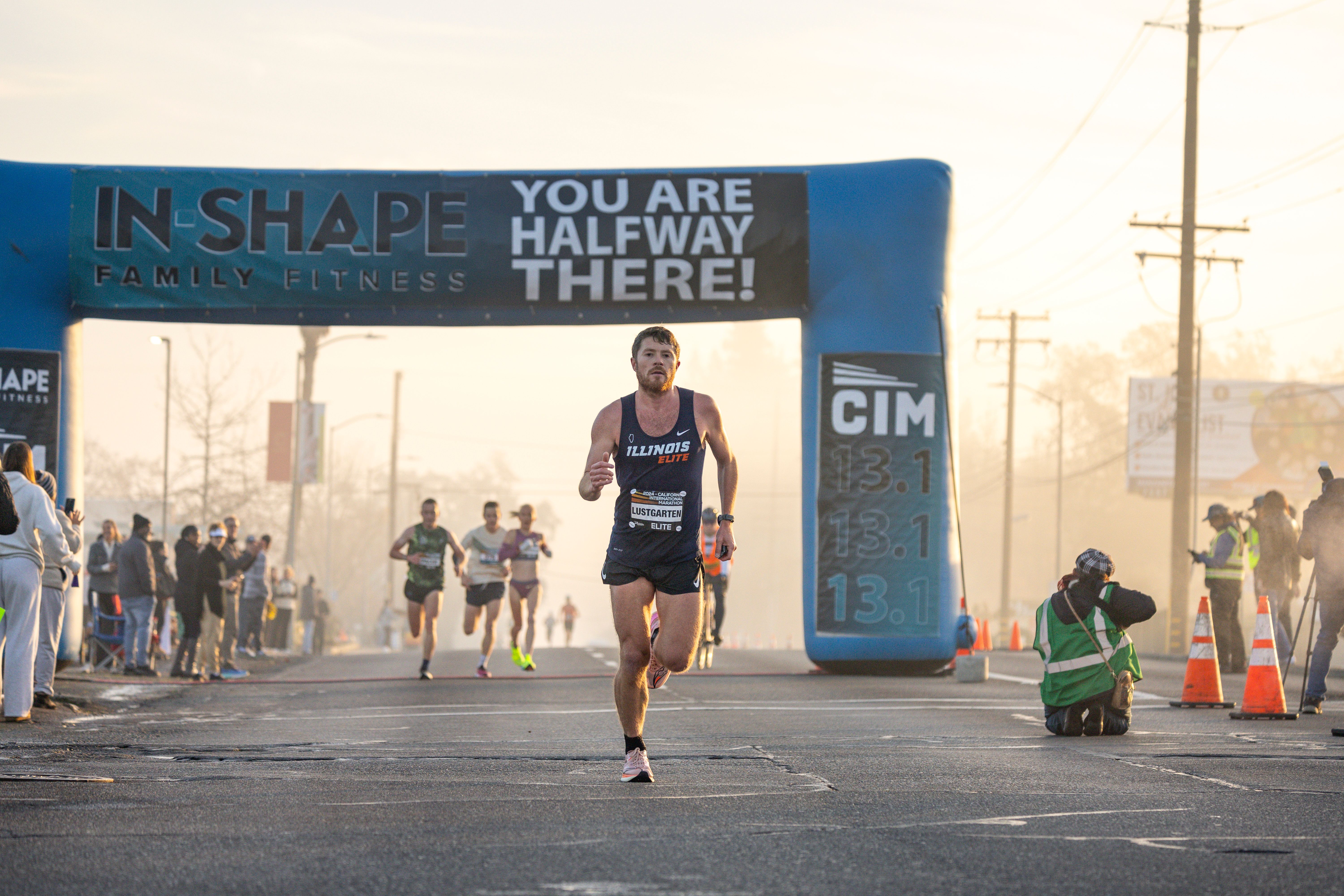
Training for a marathon in 2026 doesn't have to break the bank. Discover expert-backed cost-saving strategies for gear, nutrition, and race registration, alongside a comprehensive comparison of the top budget-friendly and feature-rich marathon training apps designed to optimize your performance without compromising your wallet or well-being. Achieve your running goals smartly and sustainably.
Introduction to the Topic
The allure of the marathon – that ultimate test of endurance, mental fortitude, and physical prowess – continues to captivate millions globally. As we move into 2026, the dream of crossing that finish line remains as potent as ever. However, for many aspiring runners, the perceived cost of training can be a significant deterrent. From high-tech running shoes and specialized nutrition to expensive race registrations and coaching, the expenses can quickly add up, turning an inspiring journey into a daunting financial commitment.
But what if we told you that achieving your marathon dream doesn't require a hefty investment? In an era where technological advancements meet a growing demand for value, smart planning and strategic choices can make marathon training accessible to almost anyone. This comprehensive guide from "Being Healthiest" is dedicated to empowering you, the aspiring marathoner of 2026, with evidence-based cost-saving tips and a deep dive into the top training apps that deliver maximum impact without maximum spend. Prepare to lace up, train smart, and conquer your marathon goals, all while keeping your budget firmly in check.
Backgrounds & Facts
The global phenomenon of marathon running has seen a remarkable surge in participation over the past decade, driven by a collective pursuit of physical health, mental resilience, and personal achievement. The health benefits are well-documented: improved cardiovascular health, enhanced bone density, better mood regulation, and a profound sense of accomplishment. Yet, this pursuit often comes with a price tag that can surprise newcomers.
Typically, the major expenses associated with marathon training include:
- Footwear: High-quality running shoes, often requiring replacement every 300-500 miles, can be a recurring cost.
- Apparel & Gear: Moisture-wicking clothing, reflective gear, GPS watches, and hydration packs.
- Nutrition & Supplements: Energy gels, electrolyte drinks, protein powders, and specialized dietary considerations.
- Race Registration Fees: Major marathons can command entry fees upwards of $150-$250, sometimes even more for international events.
- Coaching & Training Plans: Personalized coaching or premium online training programs.
- Recovery & Injury Prevention: Physiotherapy, massage, foam rollers, and sports creams.
By 2026, while technology has advanced, economic realities often mean that consumers are more discerning about where their money goes. The market for health and wellness products has become saturated, making it crucial for individuals to differentiate between essential investments and optional luxuries. Our aim is to navigate this landscape, ensuring your path to the marathon finish line is both effective and economically sound.
Expert Opinion / Analysis
Navigating the world of marathon training requires more than just physical exertion; it demands smart choices, particularly when it comes to managing costs without compromising performance or health. We've consulted leading experts in sports science and coaching for their insights into budget-conscious yet effective training.
Dr. Anya Sharma, a renowned Sports Physiologist and Research Fellow at the Institute of Human Performance, emphasizes, "The biggest misconception is that you need the most expensive gear to perform well. While proper footwear is crucial for injury prevention, the latest carbon-plate shoes aren't a prerequisite for every runner. Consistency in training, proper form, and listening to your body will always trump high-end equipment. In fact, over-reliance on gear can sometimes mask underlying biomechanical issues that truly need addressing." Dr. Sharma advocates for a minimalist approach where core needs are met, and funds are allocated more towards experiences and smart recovery rather than fleeting trends.
Rajesh Kumar, a veteran marathon coach with over two decades of experience guiding runners across India and the USA, adds a crucial perspective on nutrition. "I see many aspiring marathoners spending a fortune on fancy supplements and sports drinks. For most runners, a well-balanced diet rich in whole foods – grains, fruits, vegetables, lean proteins, and healthy fats – provides all the necessary fuel. Homemade energy snacks, like date and nut bars, are not only significantly cheaper than commercial gels but often healthier. Hydration is key, and plain water, supplemented with electrolyte tablets for longer runs, is usually sufficient." Kumar stresses that the foundation of marathon success lies in sustainable habits, not expensive quick fixes.
Their collective wisdom points to a clear principle: effective marathon training is about intelligent allocation of resources – time, effort, and money – towards fundamentals that yield the greatest return. This includes prioritizing injury prevention through gradual progression and proper form, fueling your body with nutrient-dense whole foods, and leveraging community support and technology for accessible training plans.
Best Options in Comparison
Training for a marathon in 2026 is entirely achievable on a budget. Here are our top cost-saving tips and a comparison of the best apps to guide your journey.
Cost-Saving Tips for Marathon Training 2026
1. Smart Gear Acquisition
- Footwear First, Frugally: Your running shoes are your most critical piece of equipment. Invest in a good pair, but don't overpay. Look for last season's models at discounted prices, utilize sales events, or visit outlet stores. Many reputable brands offer excellent shoes that aren't necessarily their top-tier, most expensive models. Consider rotating two pairs to extend their lifespan, as shoes need time to decompress between runs.
- Apparel: Function Over Fashion: You don't need designer running clothes. Focus on moisture-wicking fabrics (polyester, nylon) that prevent chafing and manage sweat. Utilize existing athletic wear. Shop sales, thrift stores (for base layers), or budget-friendly brands. Layers are key for varying weather, so invest in versatile pieces.
- Essential Accessories: A basic GPS watch or using your smartphone for tracking is sufficient. Hydration can be managed with a reusable water bottle or a simple handheld flask rather than expensive hydration vests initially. Reflective gear is a safety essential; look for affordable options or add reflective tape to existing clothing.
2. Budget-Friendly Nutrition
- Whole Foods are Your Fuel: Prioritize a diet rich in carbohydrates (oats, rice, sweet potatoes, whole-grain bread), lean proteins (lentils, beans, eggs, chicken, fish), and healthy fats (nuts, seeds, avocados). These are generally more affordable and nutrient-dense than processed foods or specialized sports nutrition products.
- DIY Energy Boosters: Instead of expensive gels, make your own energy snacks. Dates, bananas, dried fruits, and homemade energy balls (oats, nut butter, honey) are excellent, cost-effective options for long runs.
- Hydrate Smart: Water is your primary hydration source. For runs exceeding an hour, consider adding electrolyte tablets or making your own electrolyte drink with water, a pinch of salt, and a squeeze of fruit juice.
3. Free & Low-Cost Training Plans & Support
- Leverage Free Online Plans: Many running shoe brands, health websites, and reputable running organizations offer free, well-structured marathon training plans (e.g., from Runner's World, Nike Run Club, Adidas Running).
- Community Power: Join local running clubs or groups. Many offer free group runs, camaraderie, and invaluable advice from experienced runners. Check social media for local running communities in your area.
- Library Resources: Your local library is a treasure trove of books on marathon training, nutrition, and injury prevention, all available for free.
4. Smart Race Registration
- Early Bird Catches the Worm: Register for your chosen race as soon as registration opens to take advantage of early bird discounts. Prices typically increase closer to the race date.
- Volunteer for Discounts: Many race organizers offer discounted or free entry to volunteers for future events. It's a great way to experience race day from a different perspective and save money.
- Local & Smaller Races: Consider smaller, local marathons or half-marathons as stepping stones. They often have lower registration fees than major city marathons and can offer a great race experience.
- Virtual Races: While they lack the in-person atmosphere, virtual races are often significantly cheaper and allow you to earn a medal at your own pace.
5. DIY Recovery & Injury Prevention
- Self-Massage & Stretching: Invest in a foam roller and learn basic stretching and self-massage techniques. There are countless free tutorials online.
- Prioritize Sleep: Adequate sleep is one of the most powerful and free recovery tools. Aim for 7-9 hours per night.
- Active Recovery: Gentle walking, cycling, or swimming on rest days can aid recovery without costing a penny.
- Ice Baths: A cold bath at home can provide similar benefits to expensive recovery tools.
Top Apps for Marathon Training 2026 (Comparison)
The digital landscape of 2026 offers an array of apps that can be your virtual coach, tracker, and motivator. Here's a comparison of some of the best options, balancing features with affordability.
| App Name | Pricing Model | Key Features (Free) | Key Features (Premium) | Community Support | USP |
|---|---|---|---|---|---|
| StrideMate AI | Freemium (Basic Free, Premium Subscription) | GPS tracking, basic run stats, pre-set training plans (5K, 10K, Half-Marathon), music integration. | AI-adaptive coaching for marathon, real-time form analysis (via phone sensors/wearables), injury risk assessment, advanced analytics, personalized nutrition guidance, recovery insights. | Limited (leaderboards, friend tracking, virtual challenges) | Highly personalized AI-driven adaptive training that adjusts to your progress and readiness. |
| RunWell Community | Freemium (Basic Free, Premium Subscription) | GPS tracking, distance/pace, basic workout logging, group run organizer, social sharing. | Access to certified marathon coaches via forums, advanced group challenges with prizes, peer mentorship program, ad-free experience, exclusive training content, virtual group long runs. | Excellent (active forums, group chats, virtual events, local group finder) | Strong emphasis on community support, peer motivation, and expert interaction. |
| PacePro Budget | Free with optional low-cost one-time unlocks | GPS tracking, customizable interval training, basic pace alerts, goal setting, audio cues, basic run history. | Ad-free, detailed historical data export, advanced split analysis, heart rate zone training (with external monitor), custom workout builder, offline maps. | Minimal (social sharing integration only) | Maximizes essential features for minimal or no recurring cost, ideal for the truly budget-conscious. |
| Endurance Tracker Pro | Premium Subscription (Trial available) | (Limited trial features: 7-day access to full features) | Advanced biometric tracking (HRV, sleep analysis, stress levels), recovery advisor, detailed physiological insights (VO2 max estimation, running power), custom workout builder, seamless integration with advanced wearables (watches, smart rings, continuous glucose monitors), predictive performance analytics. | Moderate (expert Q&A sessions, curated articles) | Deep physiological data analysis and predictive modeling for performance optimization and advanced injury prevention. Geared towards data-driven athletes. |
Outlook & Trends
The landscape of marathon training is continually evolving, and 2026 presents exciting trends that promise to make the journey even more accessible, personalized, and sustainable.
- Hyper-Personalized AI Coaching: Building on current AI capabilities, future apps will offer even more sophisticated personalized plans. Imagine an AI coach that adapts your daily workout not just based on your last run, but also on your sleep quality from your smart ring, your stress levels from your smart patch, and even your mood, providing real-time feedback and dynamic adjustments to prevent overtraining and optimize performance.
- Sustainable & Circular Gear: The running industry is increasingly focusing on eco-friendly practices. We anticipate more widespread availability of running shoes made from recycled materials, bio-based polymers, and designs that facilitate easy repair or recycling. Companies will offer take-back programs for old shoes, closing the loop on footwear waste.
- Augmented Reality (AR) Training: Picture yourself running on a treadmill, but through AR glasses, you're experiencing the actual course of the Boston Marathon, complete with elevation changes and visual cues. This immersive training can enhance motivation and prepare runners mentally for specific race environments.
- Integrated Mental Wellness: Recognizing the significant mental component of endurance running, apps and training programs will increasingly integrate mindfulness exercises, visualization techniques, and stress management tools. These will be tailored to help runners cope with pre-race anxiety, maintain focus during long runs, and build mental resilience.
- "Phygital" Races: The hybrid model, blending physical running with digital interaction, will become more common. Runners might participate in local physical races that are simultaneously linked to a global virtual leaderboard, offering the best of both worlds – local community feel with global competition and data insights.
These trends suggest a future where technology and sustainability converge to make marathon training a more holistic, personalized, and environmentally conscious endeavor, further breaking down barriers to participation.
Conclusion
Embarking on the marathon journey in 2026 is an ambitious yet profoundly rewarding endeavor that is well within reach, regardless of your budget. By adopting smart strategies for gear, nutrition, and race entry, and by leveraging the power of innovative and affordable training apps, you can navigate your training path efficiently and effectively. Remember, the true essence of marathon training lies not in the amount of money you spend, but in your dedication, consistency, and intelligent approach.
The expert insights reinforce that fundamental principles – proper form, balanced nutrition, adequate recovery, and gradual progression – are far more impactful than expensive gadgets or supplements. With the cost-saving tips outlined and the right app as your digital companion, you are equipped to embark on a journey that will transform you, physically and mentally, without straining your finances. So, take that first step, embrace the challenge, and confidently stride towards the finish line of your 2026 marathon dream. Your healthiest self awaits.